Meaning
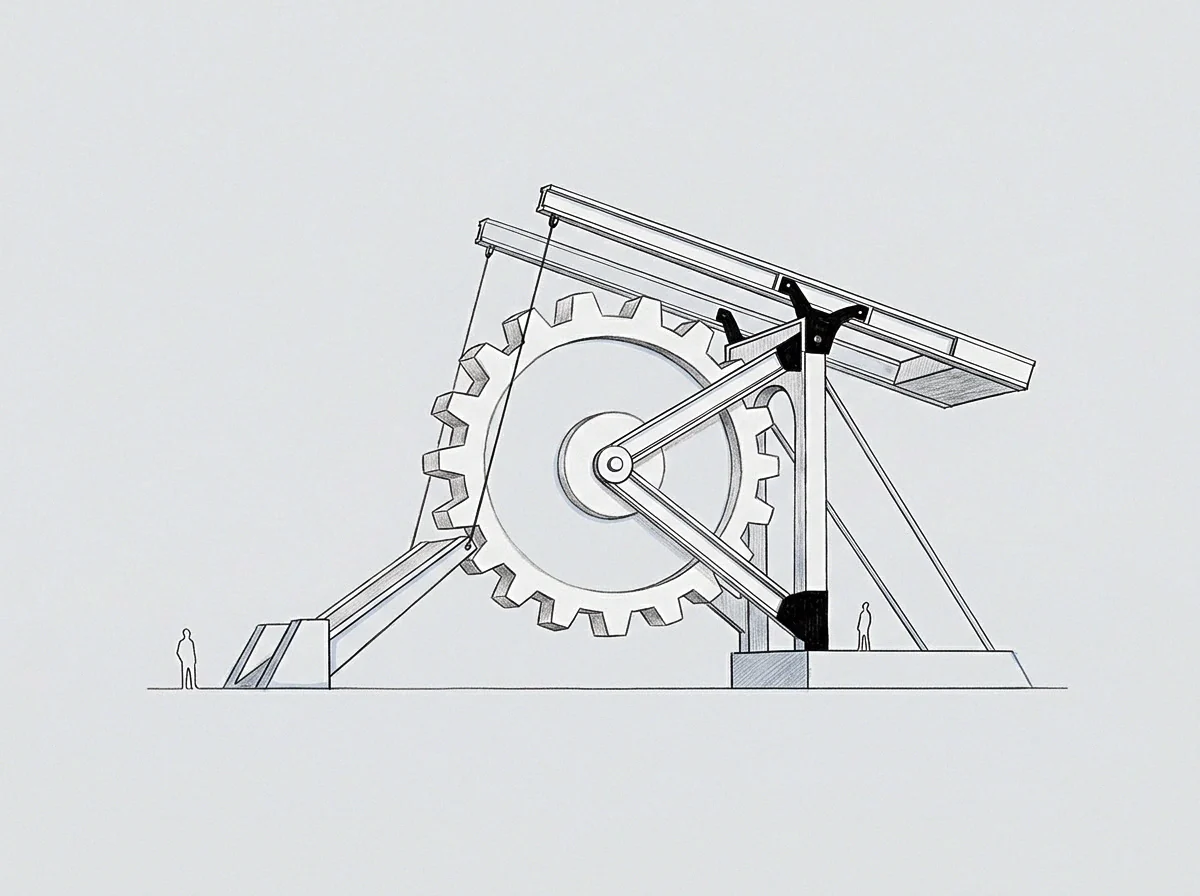
Organizational structures and fixed operational architectures that resist rapid adjustments to market shifts restrict adaptation speed. The level of structural rigidity measures the ordinal difficulty and friction associated with altering organizational workflows or cost allocations. It defines operational inertia or fixed long-term commitments, stopping where flexible operational frameworks or modular architectures replace static hierarchies.
Adaptation Friction
Inflexible corporate architectures slow managerial response times during sudden market demand fluctuations. Complex hierarchy, long-term real estate leases or rigid vendor contracts prevent operational downscaling or rapid strategy shifts. The friction results in delayed decisions and excess overhead expenditure during operational realignments.
Inflexibility Penalty
High fixed operating overhead combined with rigid labor structures creates severe financial exposure during market downturns. When structural rigidity prevents a business from reallocating staff or downsizing facilities, operating expenses remain static despite falling top-line revenues. For example, a firm locked into a ten-year office lease and long-term hardware maintenance agreements paying fifty thousand currency units monthly cannot reduce these costs when product sales decline by thirty percent over two consecutive quarters.
The resulting cash drain rapidly exhausts liquid reserves, forcing emergency equity dilution or high-cost borrowing. Eliminating structural bottlenecks restores balance sheet adaptability during market shifts.
Inertia Boundary
Fixed commitments limit organizational restructuring options to narrow operational parameters. The inertia boundary marks the limit beyond which adaptation requires severe contract cancellations or formal bankruptcy reorganization. Flexible structures maintain operating reserves below this critical boundary.