Meaning
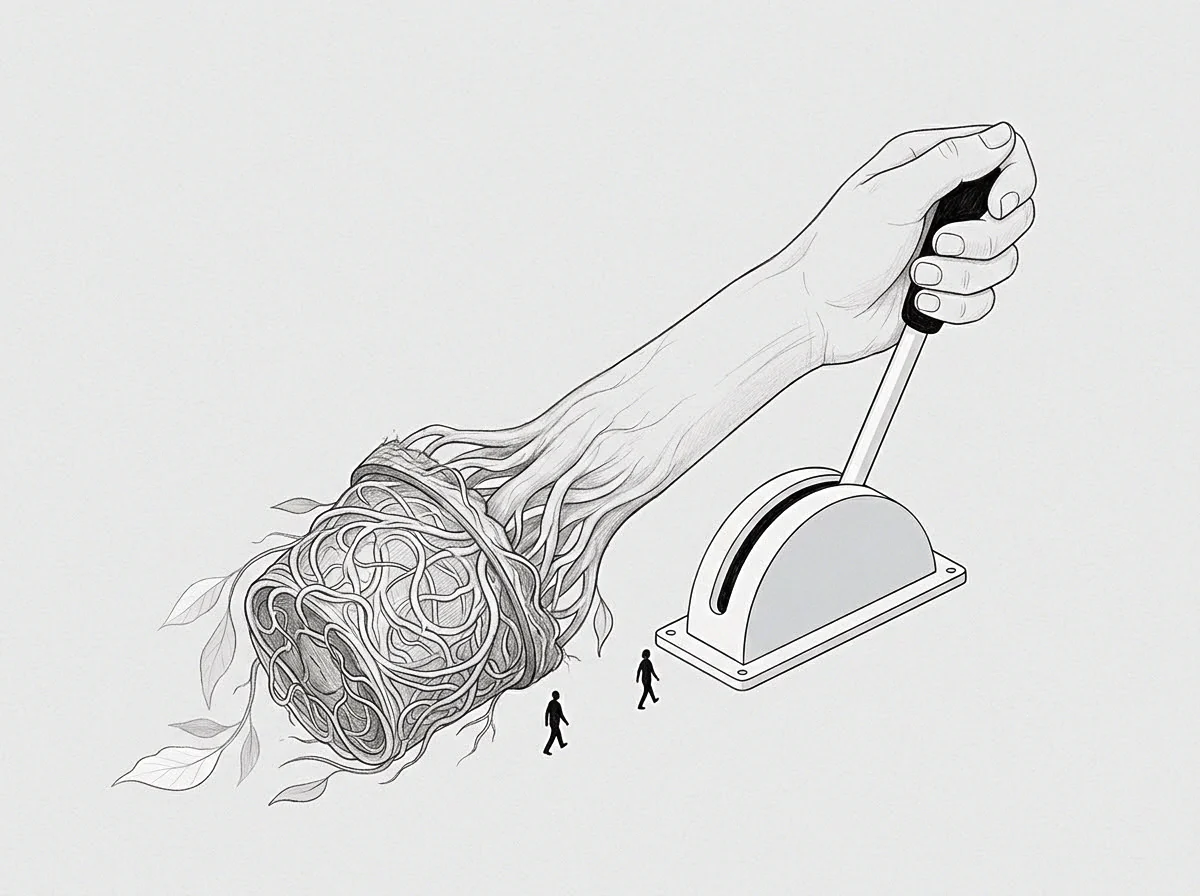
A hardware or software state exists where computational processes cease responding to external inputs or internal interrupt signals. This system lockup results in a total loss of control over the operating environment until a hard power cycle occurs. It functions as a definitive boundary between operational capacity and technical failure within a computing architecture.
Operational Frequency
Managers track the occurrence of such events as a cardinal metric for evaluating infrastructure stability. A high frequency of these freezes suggests deep architectural flaws or persistent resource contention that basic patches fail to resolve. Founders often treat this frequency as a primary signal for technical debt, as constant reboots degrade the availability of the product for users.
Recovery Penalty
Every instance of a forced reset incurs a tangible cost in lost data, interrupted sessions, and reduced trust from the user base. Technical teams measure this as the total duration required to restore the environment to a functional state after a crash. The magnitude of this cost grows when the failure happens during high traffic windows or complex background processes.
Diagnostic Constraint
Precise identification of a root cause remains difficult because the machine lacks the capacity to write logs at the exact moment of failure. Practitioners rely on pre-failure memory dumps and hardware telemetry to infer the sequence of events leading to the freeze. Analysis of these residual traces provides the only path toward fixing the underlying logic errors that force the machine into this unresponsive state.