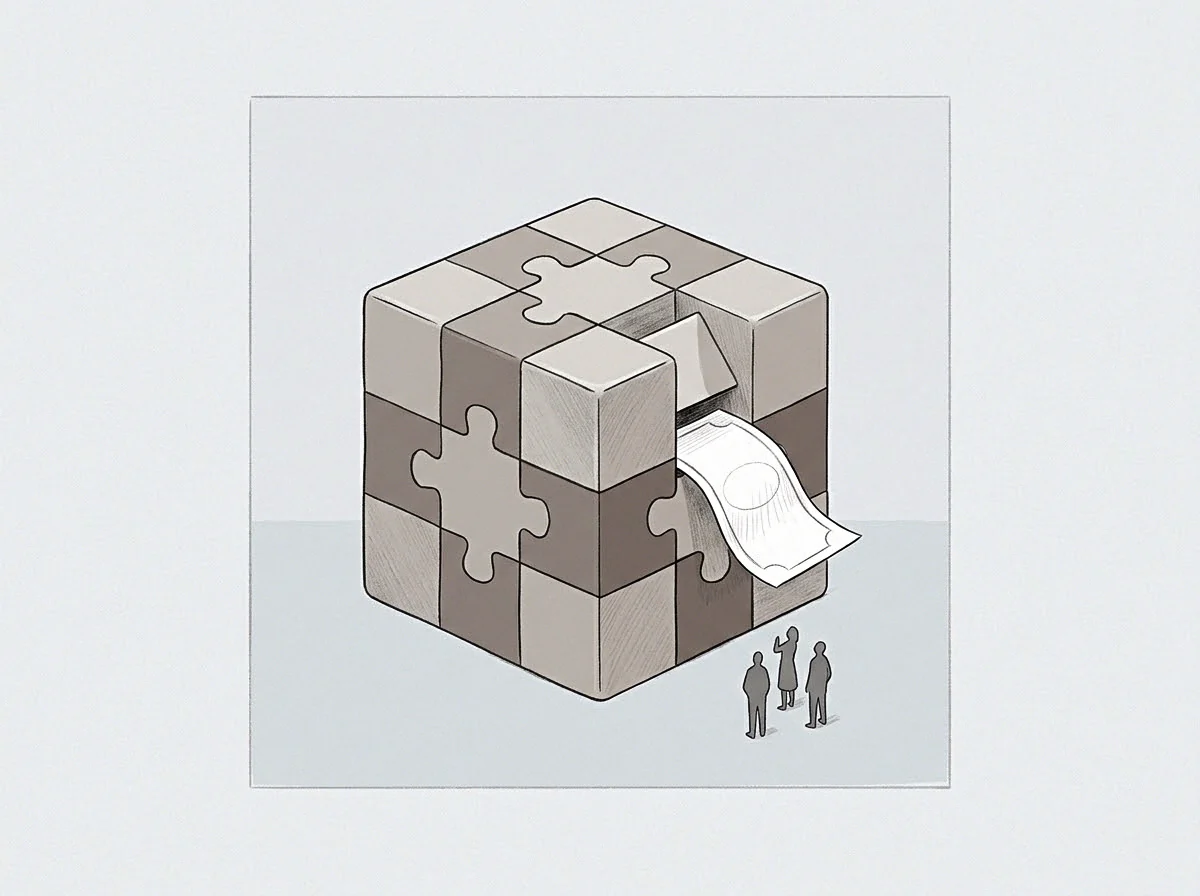
Meaning
Friction within internal operational workflows defines a systemic stall. The condition emerges when interconnected teams lose the ability to transmit information or resources without introducing delay. It happens when output capacity drops below the threshold required to maintain existing commitments regardless of external market conditions.
Operational Latency
A recurring lag in decision loops characterizes the systemic stall. Organizational velocity decreases because the volume of pending approvals exceeds the bandwidth of the designated authorities. Managers find that the coordination cost of a task grows disproportionate to the value of the outcome produced.
This bottleneck forces resources to remain idle while waiting for clearance from higher tiers.
Resource Allocation
Capital and human attention suffer when a systemic stall prevents the reallocation of energy. Capital remains locked in stagnating projects because the mechanism to redirect funding lacks the necessary speed. Decisions stay anchored to outdated plans since the process for revision contains too many internal dependencies.
Stagnation results in the depletion of cash reserves as the organization spends time maintaining unproductive work rather than generating new results.
Performance Gradient
Declining output per unit of time indicates the presence of a systemic stall. Measurement reveals an widening gap between the intended production rate and the actual delivery speed observed across multiple business units. Data reveals this deviation not as a sudden break but as a gradual decay in throughput efficiency.
Continuous monitoring of this slope confirms when administrative friction threatens the stability of the enterprise.