
Quantifying Structural Thresholds Where Unmeasured Operational Frictions Terminate Vector Velocity Normalisation Models
Unmeasured operational drag degrades delivery vectors until cumulative lateral friction forces terminate normalised velocity calculations.
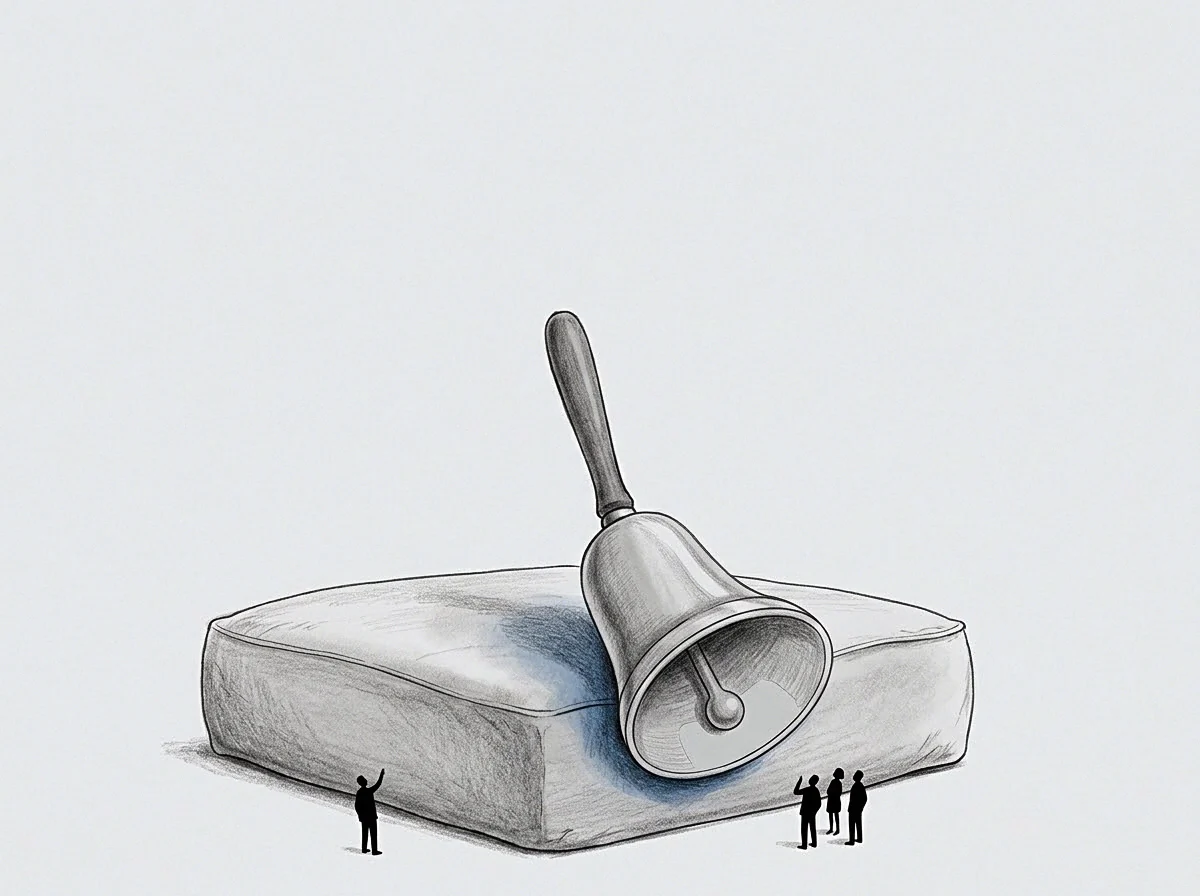
Shear
Standard models of output velocity assume unhindered movement through an operating environment. Normalisation procedures divide displacement by duration, scaling directional vectors to unity on the assumption that resistance is uniform throughout. Real production environments introduce lateral drag.
Operational friction acts as a continuous drag tensor, applying negative acceleration across unmonitored interfaces.
Drag compounds quietly.
When an operating team calculates throughput across sequential stages, baseline models scale the directional vector by dividing progress by nominal capacity. The underlying math treats the path from initiation to delivery as an unobstructed conduit. In practice, minor procedural interruptions, unassigned reviews, ambiguous handoffs, and undocumented verification gates exert opposing forces that drain kinetic energy from the workflow.
Standard metrics discard these variables because individual delays appear negligible within short measurement windows.
Velocity normalisation fails whenever cumulative drag forces exceed the nominal forward thrust of the delivery vector.
Unmeasured friction acts as shear stress across organizational boundaries. As task volume grows, lateral forces scale nonlinearly the further work moves from direct oversight. The forward vector rotates into lateral mitigation.
Teams channel effort into administrative syncs, status updates, and bug triage without logging those hours as velocity deductions. The model records this simply as falling velocity, leading management to push harder rather than address the underlying drag coefficients.
Models ignore heat.
Systemic drag drains operational capacity long before execution reaches measurable milestones. Standard velocity formulas hold vector direction steady while inflating projected delivery schedules. The gap between expected baselines and actual arrivals grows at an accelerating rate.
Models that treat drag as background noise instead of a structural property generate systematic planning errors in every cycle that follows.
Persistent directional error indicates unmodeled resistance rather than flawed execution.

Gear
Mechanical linkages translate input torque into directional movement through structured gear ratios. Within operational architectures, handoff protocols serve as the mechanical coupling between functional units. When documentation gaps or mismatched expectations align consecutive stages poorly, the linkage slips.
Rotational movement continues without advancing the load.
Inertia carries weight.
Throughput metrics miss the mechanical toll of misaligned interfaces. An engineering team hands work off to deployment pipelines while verification teams wait on external environment configs. The normalisation formula logs forward motion because tickets move across tracking columns, but operational mass stays fixed.
What looks like velocity is merely mechanical slack.
- Interfacial clearance determines how much organizational slack dissipates momentum before mechanical engagement transfers work across stages.
- Backlash displacement measures lost rotational distance when functional priorities reverse without producing forward movement.
- Frictional lockup stops relative component movement once unmonitored process debris exceeds available motor torque.
Velocity normalisation models treat coupling losses as brief dips. Standard calculations assume the system returns to theoretical efficiency as soon as the immediate bottleneck clears. Mechanical reality is less forgiving.
Damaged engagement surfaces maintain elevated friction coefficients that depress throughput for the rest of the operational lifespan.
A handoff protocol without documented acceptance criteria degrades baseline transfer efficiency across every subsequent operation.
Calculation outpaces execution.
The operational penalty mounts at boundaries between functional units. Without explicit acceptance thresholds, work packages bounce between teams before crossing jurisdictional lines. Each pass consumes non-recoverable operational hours that never register on tracking dashboards.
The system spends substantial energy holding work in an unfinished state.
The bilateral acceptance clause establishes whether an unverified deliverable registers as forward velocity or unallocated holding drag.
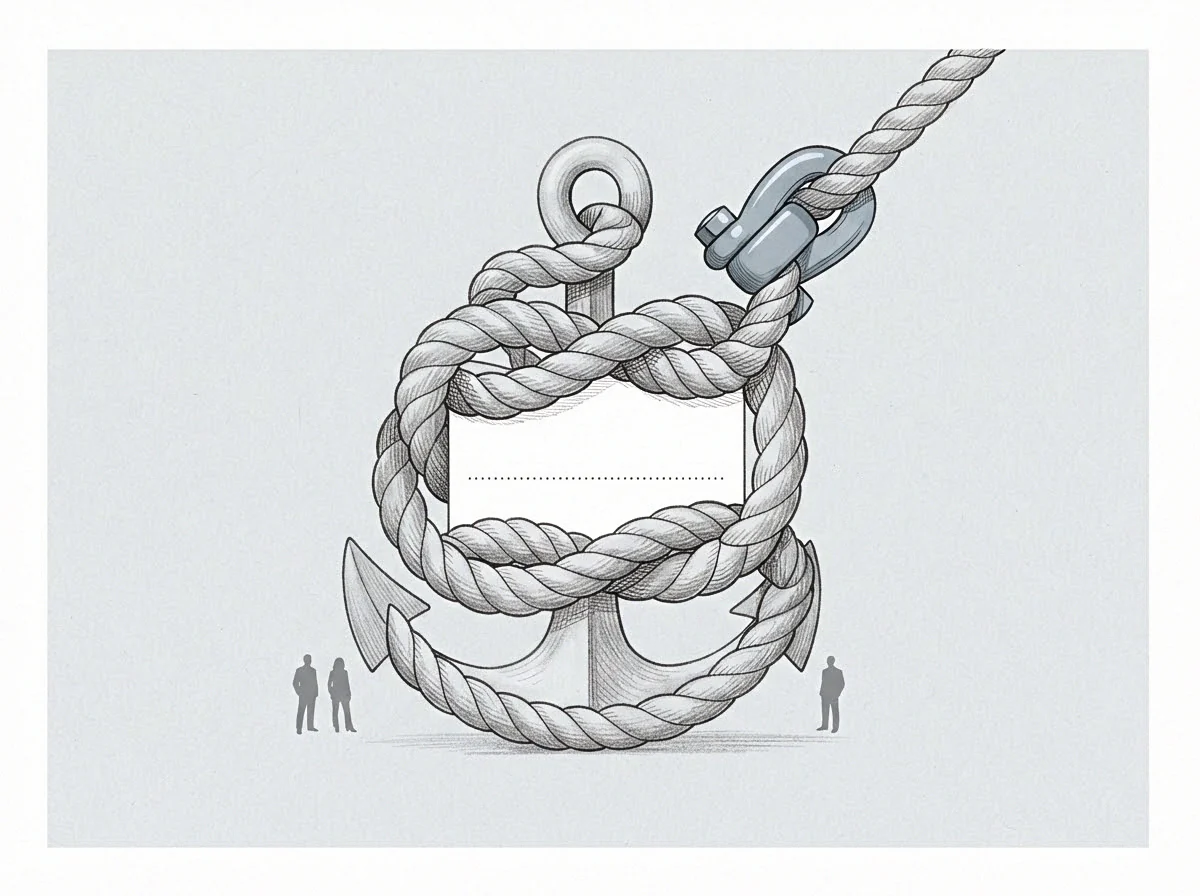
Stall
Aerodynamic lift vanishes when the angle of attack separates the boundary layer from the upper lifting surface. A parallel stagnation occurs in operating environments when unmeasured friction matches or exceeds available system thrust. Process velocity does not just degrade gradually under drag; normalized throughput drops abruptly to zero as the system enters an unrecoverable holding pattern.
Speed masks waste.
An operational stall rarely begins with sudden paralysis. Teams attempt to preserve apparent velocity by breaking deliverables into smaller ticket increments, keeping completion counts high while total throughput flatlines. Workflow boards show rapid movement even as functional deployment to production sits idle.

Will Latent Drag Exceed Model Bounds?
Normalisation models use asymptotic curves to predict recovery when resources increase. These projections fail once systemic drag crosses the boundary from laminar flow into turbulent backflow. Once friction triggers recirculation, adding labor increases interface drag faster than it scales output.
The engine chokes.
- Boundary separation occurs when operational teams disconnect informal routines from canonical procedures to bypass administrative drag.
- Vortex shedding disperses localized energy into uncoordinated mitigation actions that yield zero structural progress.
- Stall hysteresis prevents immediate recovery when leadership reduces ambient workload after crossing critical drag thresholds.
- Control reversal produces counter-directional results when standard managerial inputs trigger reactionary organizational protection routines.
Projections decay early.
Operational resistance accumulates.
What remains undetermined is the precise volume of unmonitored overhead hours an operating unit can absorb before secondary communication loops permanently compromise primary delivery functions.
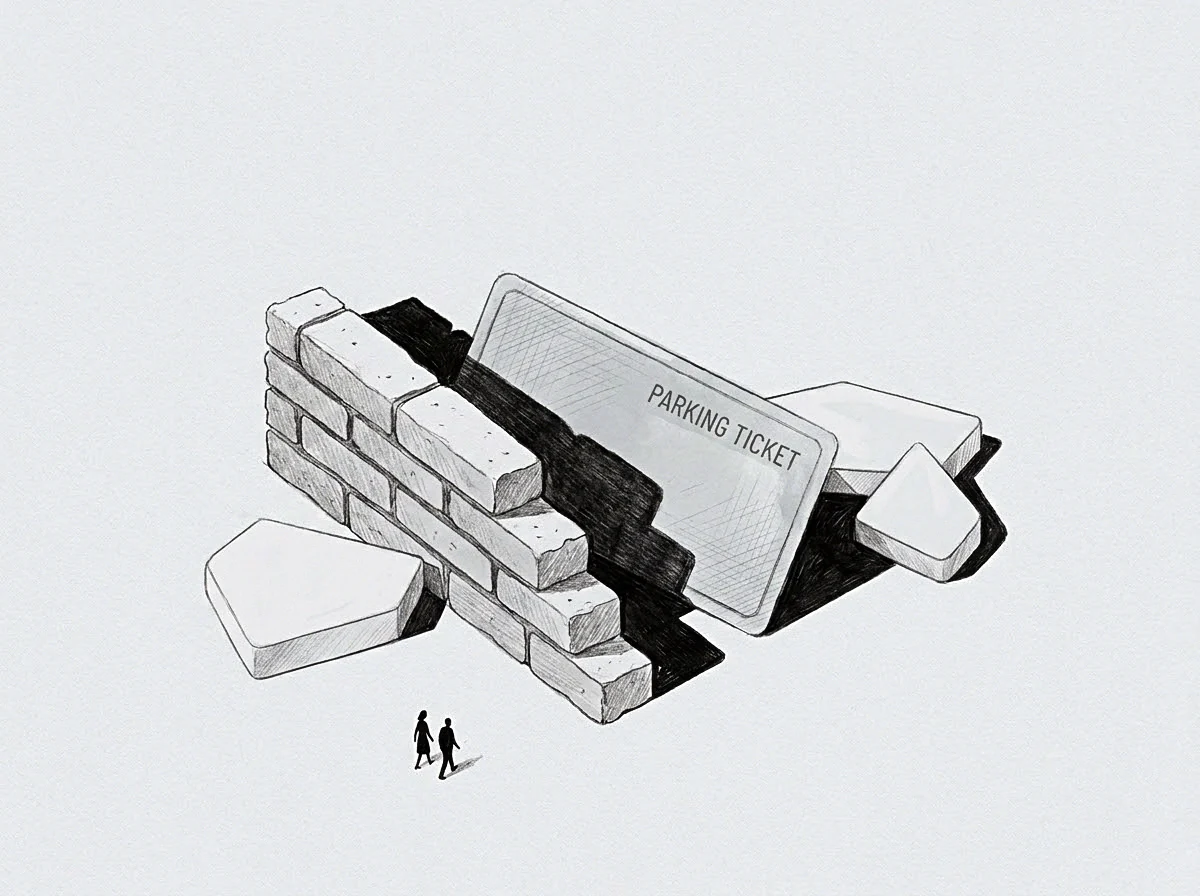
Payload
Effective carrying capacity defines the commercial utility of any transit apparatus. As unmeasured operational resistance builds, systems burn baseline energy simply overcoming drag, drastically reducing net freight per cycle. Operating models that normalize for linear velocity routinely fail to weigh energy expenditure against delivered payload mass.
Real work costs time.
A software pipeline can report consistent sprint velocity across successive quarters while shipping fewer customer-facing features. The discrepancy occurs because maintenance patches, integration workarounds, and compliance checks consume a growing share of bandwidth. Aggregate velocity stays visually stable because counting mechanisms weight administrative tasks identically to functional delivery.
| Friction State | Lateral Drag Tensor | Effective Payload Ratio | Normalised Velocity Fidelity |
|---|---|---|---|
| Laminar Flow | Sub-critical boundary friction | High net functional output | True operational convergence |
| Transitional Shear | Expanding handoff latency | Moderate maintenance diversion | Moderate metric drift |
| Turbulent Saturation | Dominant administrative drag | Negligible feature delivery | Complete vector dissociation |
| Structural Lockup | Absolute interfacial stall | Zero forward progress | Inverted output signaling |
Drag halts momentum.
Output reflects resistance.
The operational cost of maintaining artificial velocity metrics falls on technical capital reserves. Production infrastructure suffers deferred refactoring as engineering hours shift toward preserving throughput numbers. Over long horizons, structural integrity erodes beneath the polished surface of normalized delivery statistics.
Systems optimize for the measurement index rather than the physical displacement of functional work.
Delivery targets register as met on schedule even though the delivered release contains none of the contracted core features.

Recoil
Sudden deceleration forces mechanical systems to absorb accumulated kinetic energy internally. When a delivery pipeline hits an unyielding operational wall, forward motion stops, and the energy spent maintaining normalized velocity rebounds through the organization. The shockwave shatters informal agreements and exposes systemic fragility.
Velocity decays quickly.
Teams working in high-friction environments build compensating shock absorbers: shadow spreadsheets, emergency escalation paths, and informal priority triage protocols. These layers hide friction from formal monitoring tools. When the normalization model finally hits reality, any sudden loss of funding or schedule runway strips those buffers away.
Output metrics plummet as operators drop administrative theater to protect core functional systems. The model’s predictive failure becomes obvious, leaving planners with projections that bear no physical or mathematical relationship to remaining assets. The cost of ignoring latent friction shows up as capital depletion, operational exhaustion, and full model abandonment.