Meaning
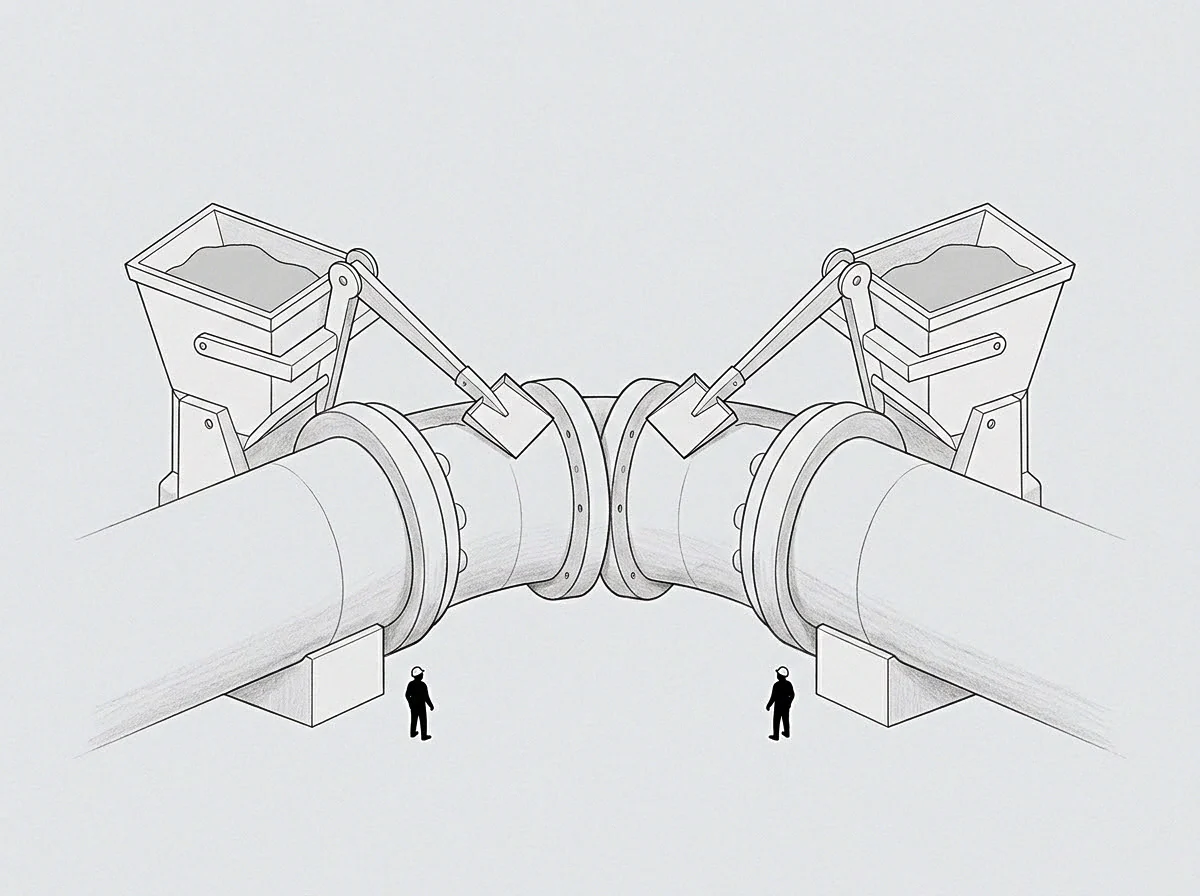
Latent operational throughput, human exertion, or structural capability deployed within an enterprise without formal financial accounting or client billing represents unpriced capacity. This non recorded asset describes the volume of production delivered through volunteer labor, founder overextension, or unbilled asset utilization. The concept lives on an ordinal economic scale reflecting the distortion between true production costs and documented operational expenditures.
It enables early stage ventures to operate with artificially compressed accounting costs while developing core processes. The condition terminates when an enterprise transitions entirely to arm’s length commercial compensation for all productive inputs.
Subsidized Throughput
Early organizational operations often conceal their structural overhead behind uncompensated founder labor. Applying unpriced capacity allows an enterprise to hit service level targets that would bankrupt the organization if commercial wages were paid for those hours. This structural distortion produces misleading gross margin figures that mask underlying operational inefficiencies.
When sales volumes expand, uncompensated labor cannot scale proportionally, exposing the venture to abrupt cost spikes. Founders often realize too late that their business model depended on personal exhaustion rather than scalable systems. Tracking these unrecorded human hours reveals the actual economic cost of the service.
Distortion Analysis
Accounting models fail to reflect economic reality when substantial portions of physical infrastructure or labor operate outside formal payroll records. Unpriced capacity masks systemic operational flaws, giving executives false confidence regarding unit economics. As external funding replaces sweat equity, cost structures adjust violently toward market equilibrium.
The operational team discovers that hiring employees to replace founder effort erodes all apparent operational profit. Quantifying these hidden subsidies before scaling prevents painful operational reorganizations down the road. Comprehensive management audits must assign shadow market values to unbilled internal contributions.
Commercial Absorption
Sustained organizational scaling demands the full operational absorption of hidden subsidies into standard operating expenditures. If unpriced capacity remains unaddressed during commercial expansion, sudden personnel turnover will cripple operational throughput. Team members who are not founders refuse to provide unlimited uncompensated labor, forcing the immediate formalization of compensation structures.
This operational normalization typically forces upward price renegotiations with existing clients or demands radical process automation. Establishing market based contracts for all operational inputs secures long term institutional stability. The complete elimination of hidden subsidies marks an enterprise’s formal arrival at economic self sufficiency.