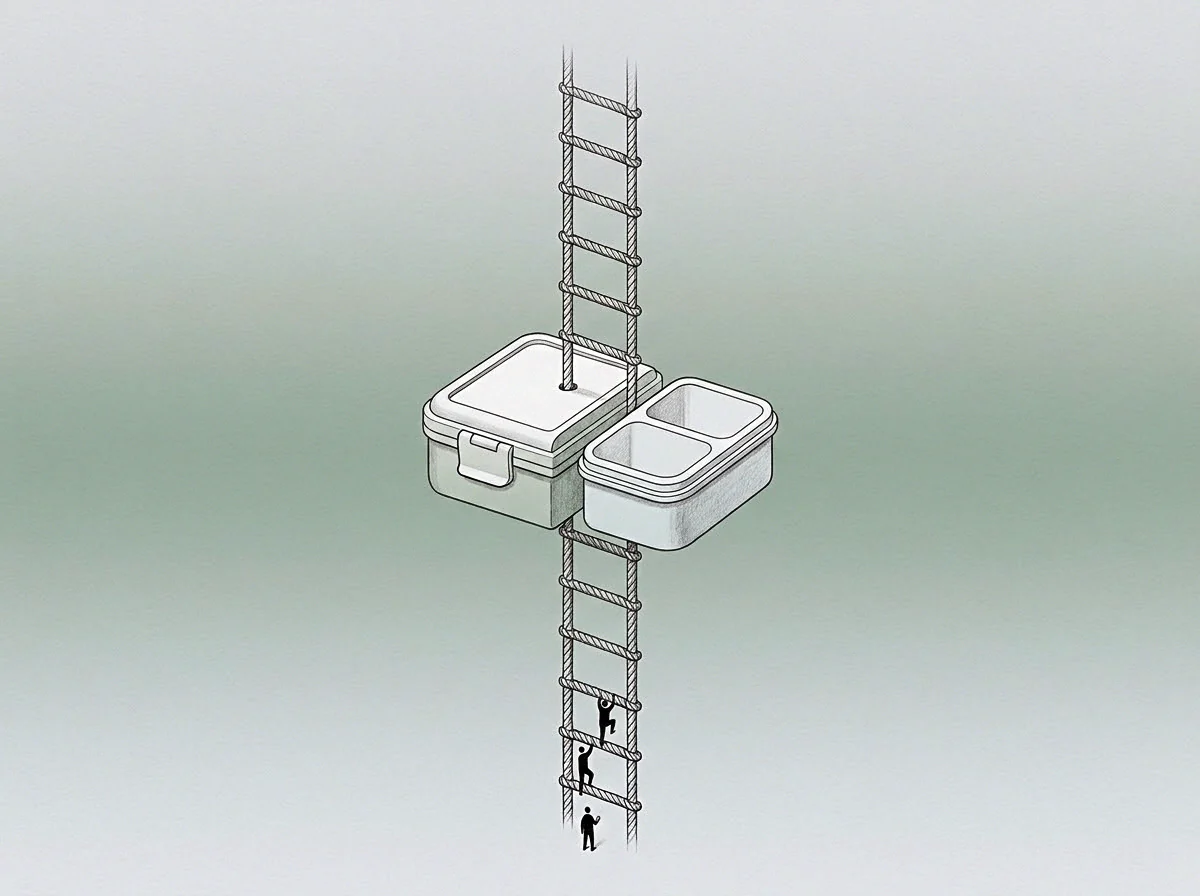
Meaning
Backlogged operational items residing in queue prior to execution quantify total pending load within a functional system. In operations management, unprocessed work measures the total volume of input tasks, transactions, or requests that have entered the organization but have not yet completed standard processing protocols. The boundary includes formal active queues and excludes rejected or cancelled requests.
Queue Gradient
Input rates exceeding throughput speed drive continuous accumulation of pending inventory across operational stages. High volumes of unprocessed work elevate system latency, increase holding costs, and obscure true operational lead times. Active queue monitoring allows managers to dynamically balance processing capacity across active functional nodes during volume surges.
Reducing queue volume improves overall system responsiveness.
Latency Vector
Task dwell time scales directly with total backlog size in fixed-capacity processing channels. Accumulated unprocessed work delays downstream operations, creating domino effects across dependent delivery schedules. Priority rules help mitigate critical path delays when total queue volume expands beyond standard operating thresholds.
Capacity Threshold
Queue size limits prevent system memory saturation and administrative collapse. When unprocessed work reaches defined safety thresholds, automated throttling or temporary input restrictions activate automatically. Controlled queue management protects baseline execution quality under peak intake conditions.