
Bounding Executive Access in Monthly Retainer Contracts
Bounding executive access in retainer contracts converts open availability into structured advisory windows, preserving executive capacity and alignment.

Clock
An executive sits down at the end of a calendar month to review a ten-thousand-dollar advisory retainer, examining a schedule fragmented by fourteen unscheduled calls and dozens of urgent messaging notifications. The financial payment arrived as agreed, yet the advisor’s primary venture suffered from delayed decision-making and diluted attention. Retainer agreements frequently sell an undefined availability vector under the umbrella of advisory support.
The counterparty pays a cardinal monthly fee, assuming that access remains continuous, real-time, and flexible.
Fixed fees mask expanding scope.
When temporal availability remains unstructured, the counterparty defaults to treating the advisor as an on-demand operational backstop. A ten-minute phone call rare sits isolated; it breaks a deep focus block, forcing forty-five minutes of cognitive recovery before strategic work can resume. The true cost of advisory access resides in this secondary disruption rather than the raw duration of the conversation.
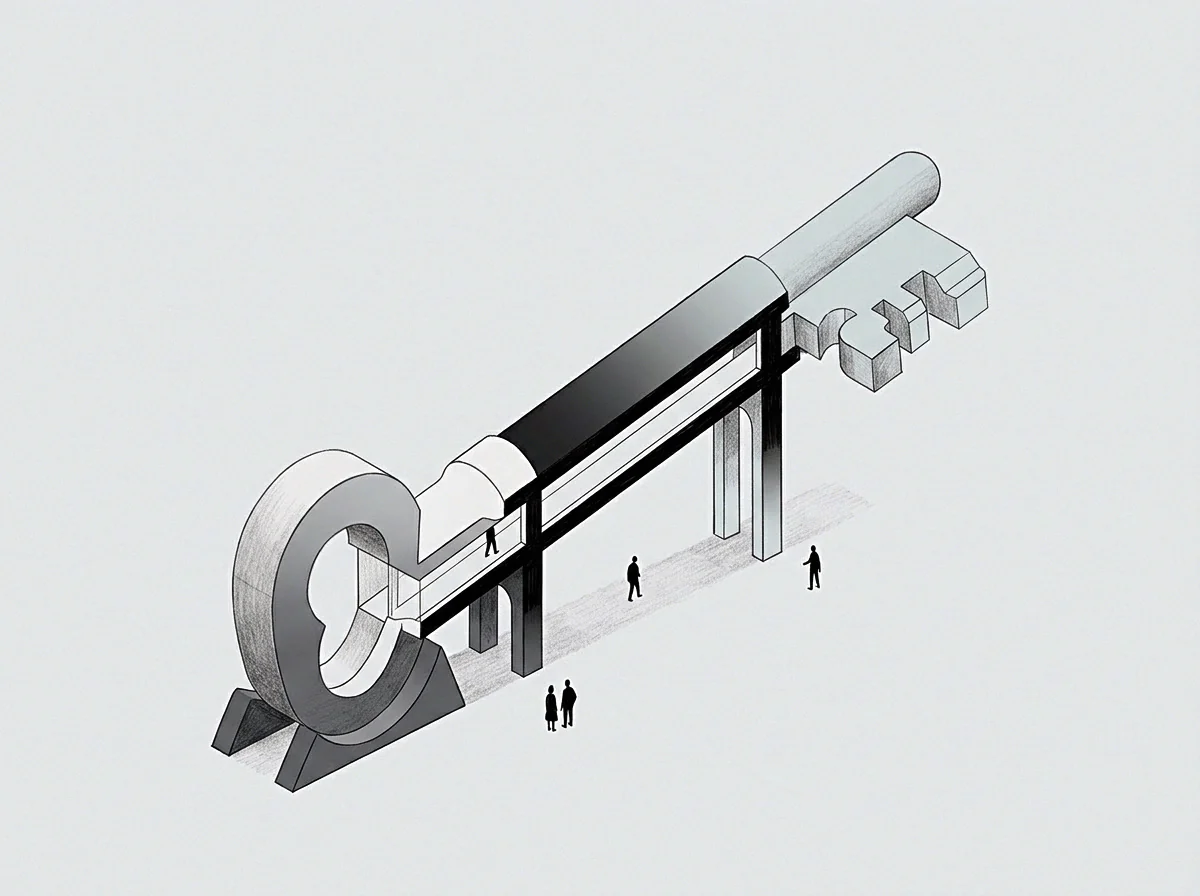
Temporal Allocation Dynamics
Advisory retainers function cleanly when calendar interactions follow strict batching rules. Without explicit temporal boundaries, advisory hours disperse across the working week, destroying deep concentration windows required for strategic execution. An executive who sells four hours of monthly advisory time without defining session limits often surrenders twenty hours of focus reserve through preparation, context switching, and post-meeting follow-up.
Unscheduled calls fragment focus blocks.
The temporal burden lands squarely on the advisor rather than the purchasing enterprise. The purchasing company experiences immediate value by offloading problem-solving urgency onto an external expert. The advisor receives a fixed cash translation while incurring a variable, compounding attention debt across internal projects.

Unscheduled Sync Interruptions
Spontaneous requests for guidance indicate an underlying breakdown in counterparty operational cadence. When internal leadership teams lack structured decision frameworks, they substitute real-time executive consults for deliberate analytical work. The retainer becomes a substitute for client internal competence, increasing access frequency while lowering the strategic quality of interactions.
Context recovery demands sustained time.
Bounding advisory availability requires framing calendar access as a scarce resource with explicit allocation rules. Setting firm start times, requiring written context prior to meetings, and establishing pre-allocated advisory windows prevents spontaneous calendar erosion while preserving advisory impact.
An executive who measures retainer commitments by available calendar windows rather than uninterrupted deep focus blocks continuously underprices the capacity loss.

Surface
Communication channels determine how rapidly a counterparty consumes executive attention. Modern workplace collaboration software eliminates transmission friction, allowing direct inquiries to reach senior advisors instantaneously. What appears as a lightweight digital exchange operates as an open invitation for continuous context displacement.
Messaging apps eliminate delivery friction.
Different communication channels carry vastly different cognitive burdens. A formal email allows asynchronous processing during designated administrative windows. A direct chat message creates psychological pressure for immediate response, altering executive priority structures and introducing ambient anxiety into daily operations.

Which Access Vectors Overburden Senior Leadership Capacity?
Different channels route counterparty requests with varying degrees of operational friction. Selecting the wrong communication vector guarantees continuous availability expectations.
- Direct Messaging Channels create continuous interruption vectors that break deep focus blocks throughout the working day.
- Unscheduled Document Reviews force rapid context shifts without dedicated analysis time.
- Ad Hoc Consultation Loops shift strategic advisory roles into reactive micro-management.
Retainers price access over execution.
Channel architecture dictates retainer sustainability. Allowing client teams to invite external advisors into internal continuous chat channels collapses the distinction between strategic advisor and full-time employee. The external advisor gets tagged in daily operational disputes, pulling high-level capacity into ground-level problem solving.

Asynchronous Communication Leakage
Asynchronous channels require deliberate management to prevent continuous availability leakage. Without strict response window expectations, asynchronous text threads turn into low-latency conversations spread across several days.
An open messaging channel converts a periodic advisory retainer into a real-time operational seat whenever no response window is explicitly declared.
Establishing clear channel rules forms the core foundation of executive access management. Advisors who restrict retainer interactions to pre-scheduled video syncs and structured email summaries protect their attention vectors while delivering higher-value strategic interventions.
The fee covers continuous guidance, so sending a quick question across chat at any hour falls directly within the monthly scope.

Gradient
The disparity between fixed cash compensation and variable cognitive strain creates systemic friction in long-term advisory arrangements. A retainer price represents a cardinal figure recorded on an accounting ledger. Cognitive capacity, context switching overhead, and attention depletion represent ordinal cost vectors that vary dramatically depending on counterparty behavior.
Cardinal prices obscure ordinal costs.
Context switching consumes cognitive capacity.
Take an executive holding two advisory client contracts at fifteen thousand dollars per month each. Client A respects pre-scheduled bi-weekly strategy sessions, submitting written agenda items forty-eight hours in advance. Client B relies on frequent messaging queries, urgent document review requests, and spontaneous phone calls.
Both clients pay the exact same cardinal price, yet Client B imposes an ordinal capacity cost five times higher than Client A.
| Access Model | Response Window | Attention Load | Capacity Impact | Price Translation |
|---|---|---|---|---|
| Unbounded On-Demand | Immediate / Continuous | Severe Context Switching | High Cognitive Depletion | Fixed Flat Retainer |
| Structured Interval | Scheduled Weekly Blocks | Predictable Focused Batches | Moderate Reserve Preservation | Tiered Capacity Rate |
| Emergency Escalation | Threshold-Triggered Syncs | Low Baseline Distraction | Minimal Operational Interruption | Premium Base plus Event Fee |
Research on psychological contract asymmetry demonstrates that counterparties consistently overestimate their entitlement to service provider availability when baseline boundaries remain implicit. When an advisor responds quickly to early off-hours inquiries, the counterparty internalizes rapid availability as the new operational standard. Reverting to slower response cadences later is perceived as a service failure rather than a return to contractual norms.

Cardinal Pricing versus Ordinal Cost Vectors
Converting ordinal executive energy costs into cardinal retainer prices requires accounting for invisible friction metrics. Attention consumption is non-linear; the cognitive load of four isolated fifteen-minute interruptions far exceeds that of a single one-hour strategic session.
Defining exact response windows converts an infinite availability expectation into an ordinal capacity budget.
Executive attention remains strictly finite.
Whether enforcing strict response latency limits increases long-term client churn or enhances contract retention remains open to debate. Empirical data across boutique advisory practices shows mixed outcomes; price-sensitive clients often resist formal access caps, whereas high-maturity organizations value the structured discipline of bounded engagements. A prudent advisor operates under the assumption that clients who reject reasonable access boundaries inevitably generate unsustainable operational strain.

Structural Asymmetry in Retainer Commitments
The structural asymmetry of retainer engagements favors the buyer unless explicit operational limits protect the seller. The buyer secures an option on executive intellect at a flat rate; the seller risks granting an unhedged call option on their calendar.
Absorbing context switching costs without adjusting the cardinal price degrades executive performance across all primary venture objectives.

Limit
Contract clauses translate internal capacity boundaries into enforceable counterparty commitments. Relying on counterparty empathy or informal norms to protect executive calendar focus fails predictably over extended advisory periods. Explicit contractual boundaries codify access parameters before commercial tensions arise.
Advisory seats require firm boundaries.
Structuring functional retainer contracts involves defining explicit operational parameters across synchronous and asynchronous engagement formats.
- Define maximum synchronous interaction hours allowed per calendar month.
- Establish a mandatory forty-eight hour window for non-urgent written requests.
- Route all complex strategic reviews into scheduled monthly sessions rather than continuous messaging threads.
Written responses allow deliberate analysis.
Cognitive executive control research indicates that switching between disparate strategic domains incurs up to a forty percent penalty in mental efficiency. Every unbatched advisory interaction forces the executive brain to unload primary venture parameters, load client parameters, formulate advice, and then reload primary venture context.

Contractual Boundaries and Service Levels
Service level definitions inside retainer agreements specify exact response cadences based on inquiry severity. Classifying non-critical questions under a standard multi-day processing window prevents routine operational items from masquerading as immediate strategy crises.
A retainer contract without explicit friction mechanisms routes all counterparty urgency into the executive calendar.
Bounding executive access mirrors capital reservation practices in physical manufacturing plants, where reserving uncommitted standby machinery capacity commands explicit facility readiness tariffs rather than flat usage fees.

Synchronous Interaction Caps
Synchronous interactions represent the most expensive access format in advisory arrangements. Setting a monthly cap on live strategy calls ensures that client teams consolidate inquiries and prioritize high-value topics prior to requesting face-to-face meeting time.
Contract clauses establish operational limits.
A clause requiring pre-scheduled calendar blocks for strategic reviews converts sporadic interruptions into predictable advisory allocations.

Ceiling
Every advisor holds a structural maximum of high-stakes decisions available within a single calendar month. Advisory capacity cannot scale linearly without eroding the quality of judgment that justified the retainer fee initially. Protecting this operational maximum ensures long-term professional sustainability across an advisory portfolio.
Continuous availability encourages rapid escalation.
Clients extract maximum transactional availability.
Advisors who accept multiple unbounded retainer arrangements rapidly hit cognitive exhaustion limits. When multiple clients demand real-time problem solving simultaneously, executive performance degrades across all engagements, threatening core venture equity and overall market reputation.

Capacity Preservation and Portfolio Balance
Balancing an advisory portfolio requires establishing a total capacity ceiling across all active retainers. If an executive reserves twenty percent of total working capacity for external advisory roles, client access commitments must collectively fit within that strict numerical ceiling.
The counterparty treats paid availability as an asset to be drawn down whenever immediate problem-solving capacity drops.
Disciplined access bounding transforms advisory retainers from unpredictable focus drains into structured high-leverage partnerships. Clearly stated limits protect executive attention reserves, ensuring that advisory interventions deliver focused strategic clarity rather than reactive operational noise.

Long Term Retainer Sustainability
Long-term retainer viability rests on maintaining equilibrium between financial earnings and cognitive reserves. Establishing firm structural access limits ensures that advisory engagements remain sustainable over multi-year horizons without compromising primary venture leadership goals.
Whether advisory retainer pricing can ever fully compensate for the hidden cognitive decay of fragmented executive focus remains unsettled when market rates treat availability as linear.