
Converting Unhedged Operational Obligations Into Fixed Price Agreements Under Depletion
Unhedged operational obligations under resource depletion convert to fixed price agreements by translating ordinal internal costs into cardinal volume-capped pricing terms.
Desk
An operator sits at a desk facing twelve active client contracts while system throughput drops by four percent each month. The contract terms guarantee unrestricted system usage for a uniform monthly fee, written when processing capacity was abundant and operational expenditure was linear. Three years into execution, hardware degradation, data expansion, and specialist maintenance hours have altered the underlying economics.
The revenue arriving from each account remains flat while the operational assets consumed by those same accounts double every six months. Operational debt compounds silently.
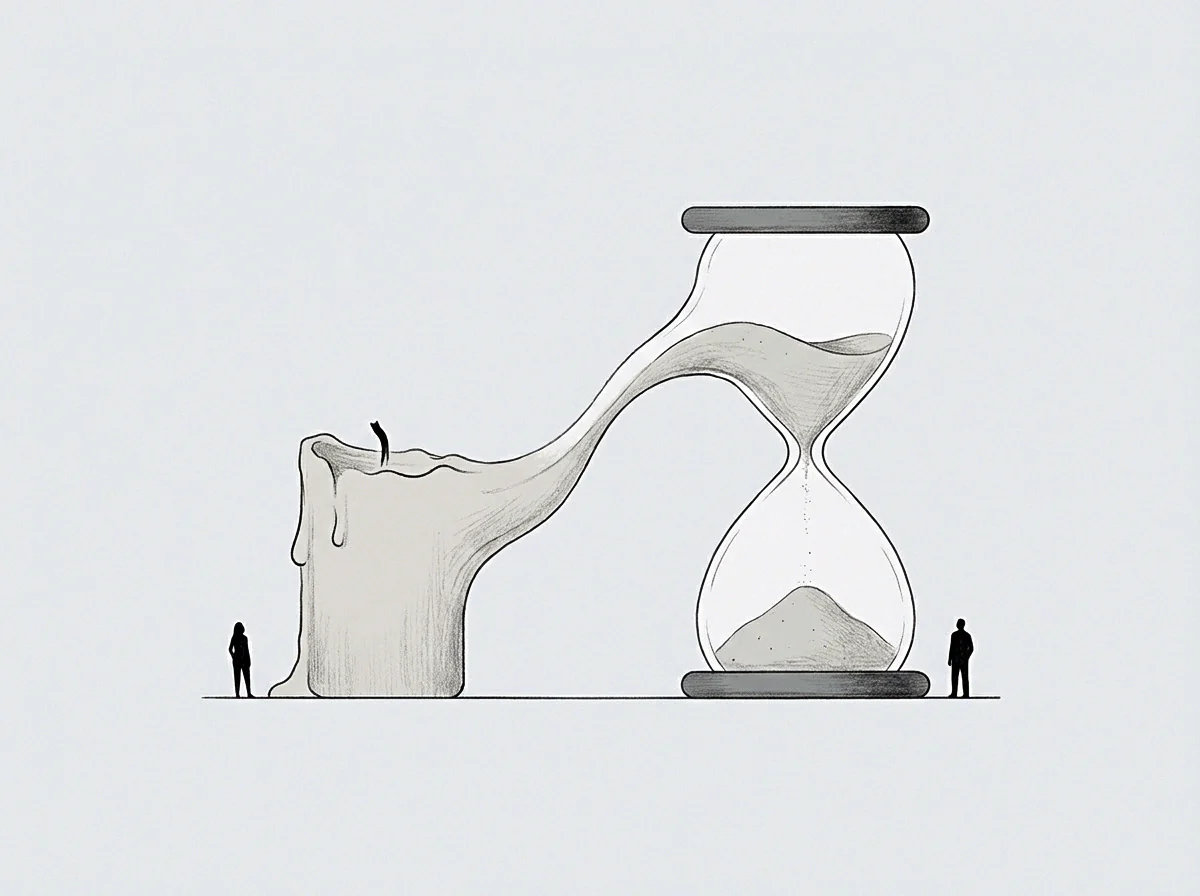
Unhedged commitments consume residual capacity. When service agreements lack volumetric bounds or cost-indexed scaling terms, the service provider absorbs every marginal increase in processing effort. The imbalance creates an unhedged operational obligation, an uncapped commitment to deliver outputs using resources whose delivery costs escalate over time.
This dynamic appears across data storage infrastructure, specialized logistics networks, and high-intensity analytical operations where asset performance decays under continuous load.
Unhedged Obligations and Resource Decay
Resource depletion changes the relationship between operational effort and unit output. In early operational phases, reserve capacity conceals inefficiency. As cumulative consumption approaches structural ceilings, every additional unit of output demands higher inputs of power, labor, or compute time.
The internal cost vector, measured across labor hours, hardware stress, and lost alternative processing throughput, tilts upward sharply.
Accounting systems mask this escalation when monitoring only direct monetary expenditures. The ledger records direct expenditures. Financial reporting captures cash outlays for server replacements or extra maintenance shifts but fails to isolate how specific accounts draw down total system endurance.
Without isolating consumption per deliverable, the operator treats resource depletion as general overhead rather than an active liability attached to specific commitments.
Whether the operator can isolate consumption metrics before reserve exhaustion forces emergency rationing remains settled only when real-time system diagnostics map directly to account balances.

Yield
System yield declines as assets operate past optimal maintenance windows. When commitments force continuous asset utilization without dedicated rest cycles, performance degradation accelerates along a non-linear curve. The operational obligation remains fixed in scope, but the physical apparatus needed to satisfy that scope demands increasing operational intervention.
Fixed pricing agreements written without volume boundaries convert linear resource depletion into exponential internal cost vectors.
The accumulation of unhedged obligations during depletion phases produces distinct structural vulnerabilities within operating teams:
- Capacity Erosion manifests when routine maintenance windows are cancelled to satisfy existing contract deliverables, compounding physical asset decay.
- Priority Inversion occurs as high-volume, low-margin legacy accounts consume the exact specialized engineering hours required to build next-generation capacity.
- Operational Lock-in develops when fixed deliverables prevent structural maintenance, forcing reliance on temporary workarounds that inflate baseline running costs.

Decomposing Internal Cost Vectors
Evaluating an operational obligation demands decomposing the internal cost vector into its constituent components. Direct monetary expense forms only a single axis of this vector. Operational effort also consumes technical attention, locks down specialized machinery, and exhausts structural lifespan.
Consider an analytical processing firm executing twenty legacy contracts under flat monthly rates. Assume hardware throughput degrades by fifteen percent annually due to memory wear and data structure complexity. In year one, processing a standard dataset requires two hours of machine time and zero manual intervention.
By year three, that same dataset requires seven hours of machine time and two hours of senior operator troubleshooting. The price paid by the client remains unchanged at five thousand dollars per month, yet the internal hours vector has expanded by three hundred and fifty percent.
Capacity declines faster than revenue. The firm absorbs the delta internally, pulling engineering focus away from system optimization and funneling it into repetitive operational preservation. The business continues to register top-line revenues while its underlying operational capability deteriorates.
Ignoring the upward trajectory of the internal cost vector results in sudden operational default when physical capacity ceilings are reached before legacy agreements expire.

Rate
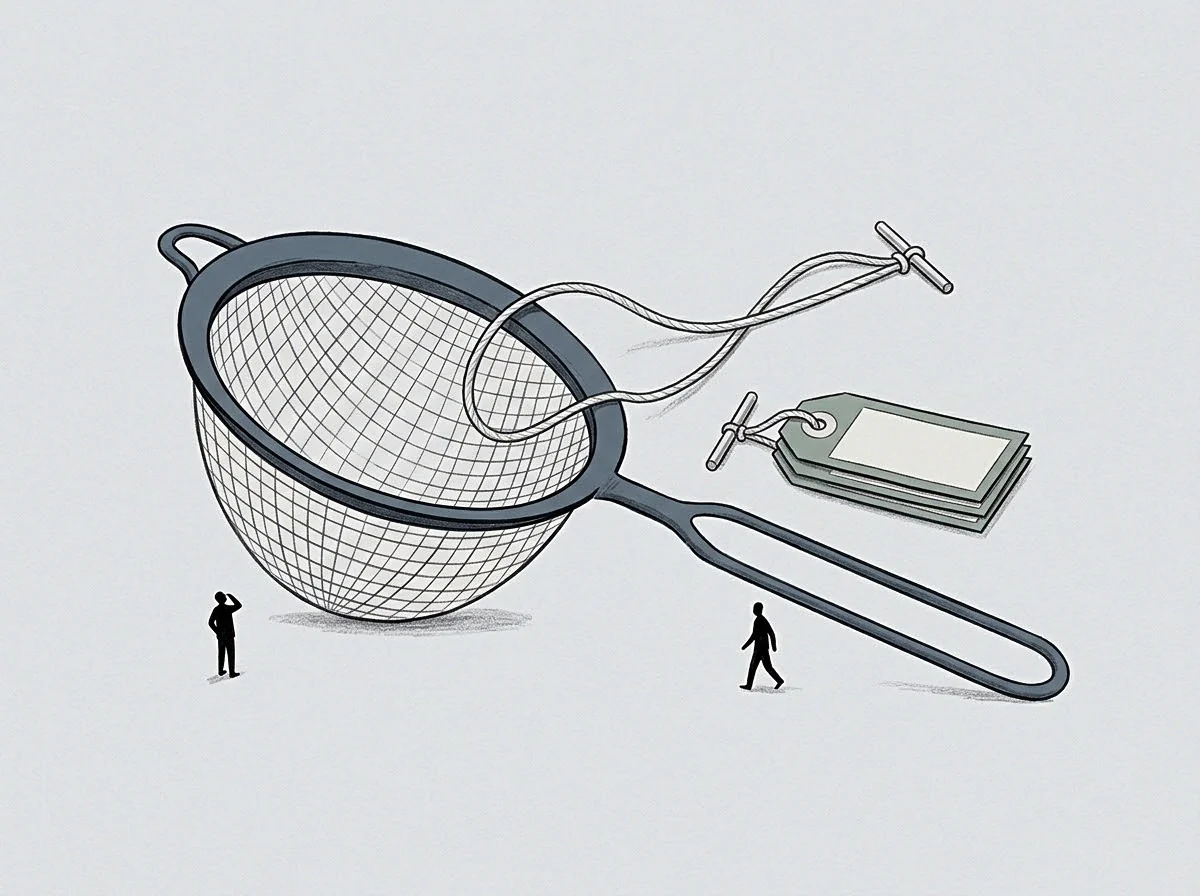
Converting an unhedged obligation into a fixed price agreement under depletion requires translating internal ordinal cost vectors into cardinal figures that counterparties can accept. Ordinal costs express relative operational stress, such as ranking five client workloads by how severely they strain current throughput. A cardinal price requires a definitive numeric value, a precise dollar figure attached to a stated volume of work.
When Does Unhedged Service Become Unbearable?
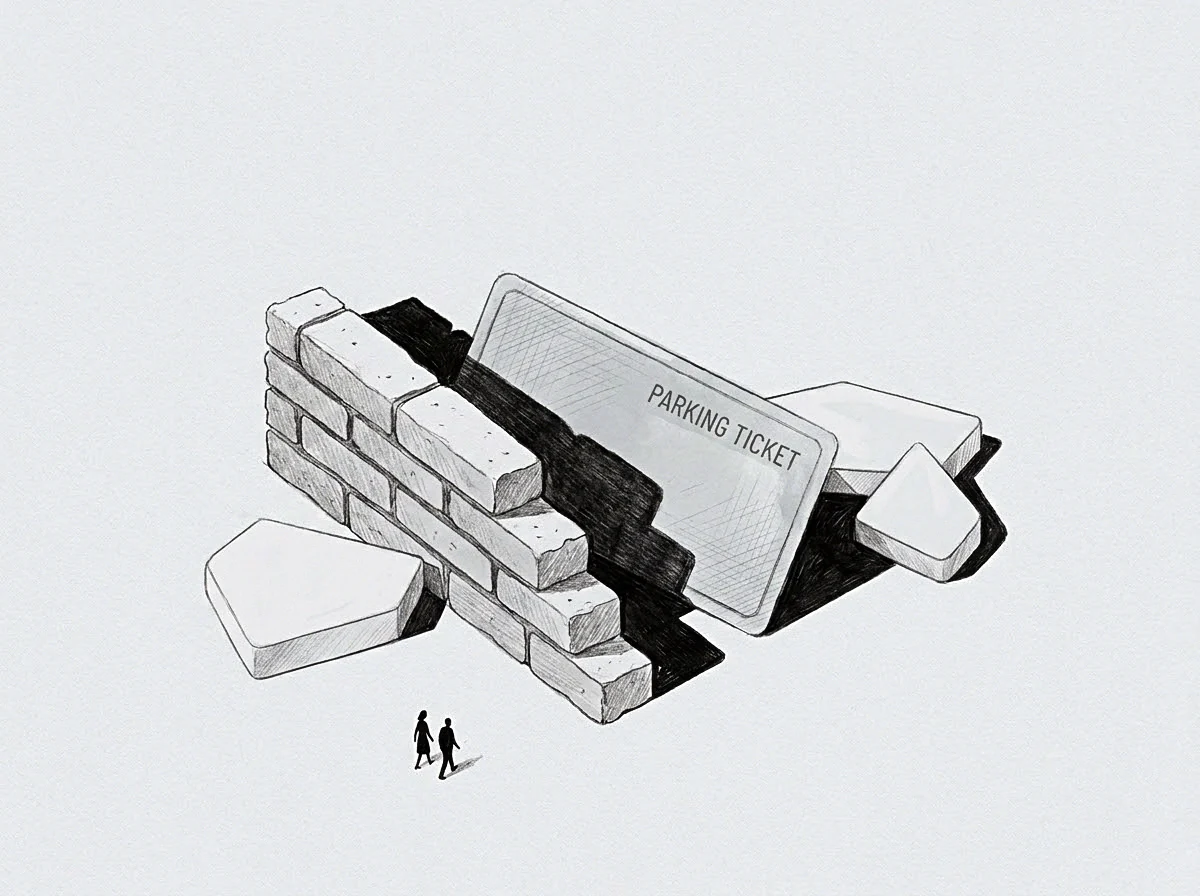
The conversion threshold arrives when the variance between internal cost escalation and contract revenue threatens baseline operational stability. Continuing under unhedged terms exposes the service provider to unlimited downside while capping top-line return. Establishing a fixed price agreement under depletion does not mean offering unlimited service for one static number; it means defining a rigid price for an explicitly capped quantity of output, with clear escalation terms for excess demand.
| Conversion Structure | Capacity Buffer | Risk Allocation | Execution Complexity |
|---|---|---|---|
| Static Volume Capped Rate | Fixed percentage threshold | Client absorbs volume risk past cap | Low operational overhead |
| Tiered Index Adjusted Price | Dynamic buffer based on asset yield | Shared risk across consumption bands | Moderate monitoring requirements |
| Depletion Index Fixed Rate | Variable buffer keyed to decay metrics | Provider hedged against asset decay | High diagnostic requirements |
Depletion accelerates operational expenditure. To protect operations, the conversion mechanism must establish precise boundaries around what the fixed price covers. The table above illustrates how different pricing structures shift operational risk between parties when underlying assets degrade.
Static rate structures without volumetric ceilings guarantee that asset degradation translates directly into provider margin collapse.
Translating internal operational strain into external price terms demands rigorous baseline quantification. The provider measures the exact unit consumption of compute, labor, or physical material required to complete one deliverable unit under current depletion conditions. That baseline measurement is then projected forward across the proposed contract tenure, factoring in anticipated performance decay.
Ordinal costs resist simple conversion. If processing effort doubles over twelve months, the fixed price must incorporate either a declining volume ceiling or an escalating rate structure triggered by cumulative usage metrics. The goal is locking in predictable financial margins even as physical operational efficiency declines.
The counterparty accepts a fixed rate adjustment when presented with explicit verification that historical consumption patterns exceed initial operational baselines.

Clause
Contractual agreements surviving resource depletion depend on explicit clauses that bound operational liability. Drafting these terms involves establishing clear limits on asset utilization, defining excess volume surcharges, and creating clear exit mechanisms if asset depletion accelerates beyond projected ranges.
The transition from an open-ended operational obligation to a structured fixed price agreement follows a sequential execution sequence:
- Auditing historical unit consumption across all active client accounts to establish true operational baseline costs.
- Calculating the asset depletion index to project future unit cost increases over the upcoming contract cycle.
- Drafting volumetric ceilings that cap total allowable consumption under the baseline fixed rate.
- Inserting indexation clauses that adjust unit pricing automatically when underlying raw input costs pass defined thresholds.
- Executing contract amendments that replace open-ended service terms with volume-restricted fixed price structures.

Structuring Volumetric Ceilings and Indexation
The volumetric ceiling forms the primary defense against operational depletion. This clause defines the exact quantity of service deliverables included in the baseline monthly fee. Once a client exceeds this allotment, secondary rate schedules take effect immediately.
The counterparty prefers fixed terms. Providing predictable pricing up to a defined usage limit satisfies client budgeting requirements while protecting the operator from unhedged volume exposure. Margins contract as volume expands.
Establishing clear tier boundaries prevents excessive consumption from degrading system resources meant for other operations.
Contractual volumetric caps protect operational capacity by assigning a cardinal price to every unit of excess consumption.
Price indexation clauses tie contract rates to external operational variables, such as raw material costs, specialized labor rates, or energy expenditure. When asset depletion demands higher resource consumption per output unit, the indexation clause scales the fixed price to match the real internal cost vector.
Stated limits prevent structural default. A contract amendment specifying that baseline processing includes up to fifty standard analytical runs per month, with subsequent runs billed at an escalating marginal rate of two hundred dollars per unit, successfully converts an unbounded obligation into a hedged fixed price agreement.
Shift
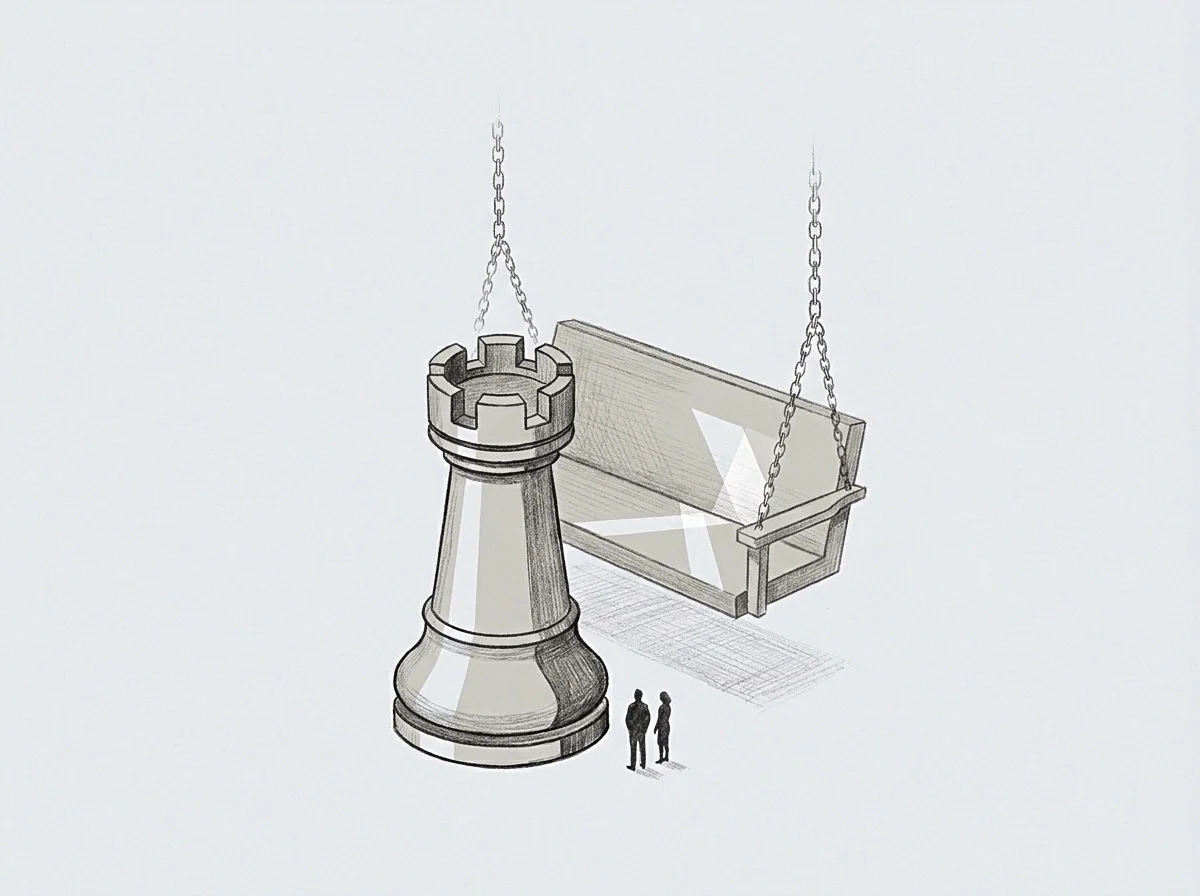
Shifting operational commitments onto fixed price agreements fundamentally alters asset management. Once unhedged exposure is eliminated, internal engineering teams shift focus from emergency asset preservation to systematic capacity rebuilding. Predictable revenues derived from volume-capped agreements yield the monetary reserves necessary to replace degraded hardware, refine data pipelines, and train technical staff.
Fixed pricing transfers volume risk. When clients pay for excess consumption at marginal rates reflecting real depletion costs, consumption patterns stabilize. Clients optimize their own internal workflows to stay within baseline tiers, reducing unnecessary system load and extending the operational lifespan of core infrastructure.
Operational metrics signal systemic stress. Continuous monitoring of unit consumption, processing duration, and maintenance intervention rates provides the empirical baseline needed for future contract renegotiations. The operator tracks these metrics against projected depletion curves, ensuring that fixed pricing structures remain aligned with internal operational realities.
Early conversion limits cumulative exposure. Transitioning unhedged operational obligations into fixed price agreements under depletion secures structural stability, protects engineering bandwidth, and aligns financial returns with physical system constraints.