Meaning
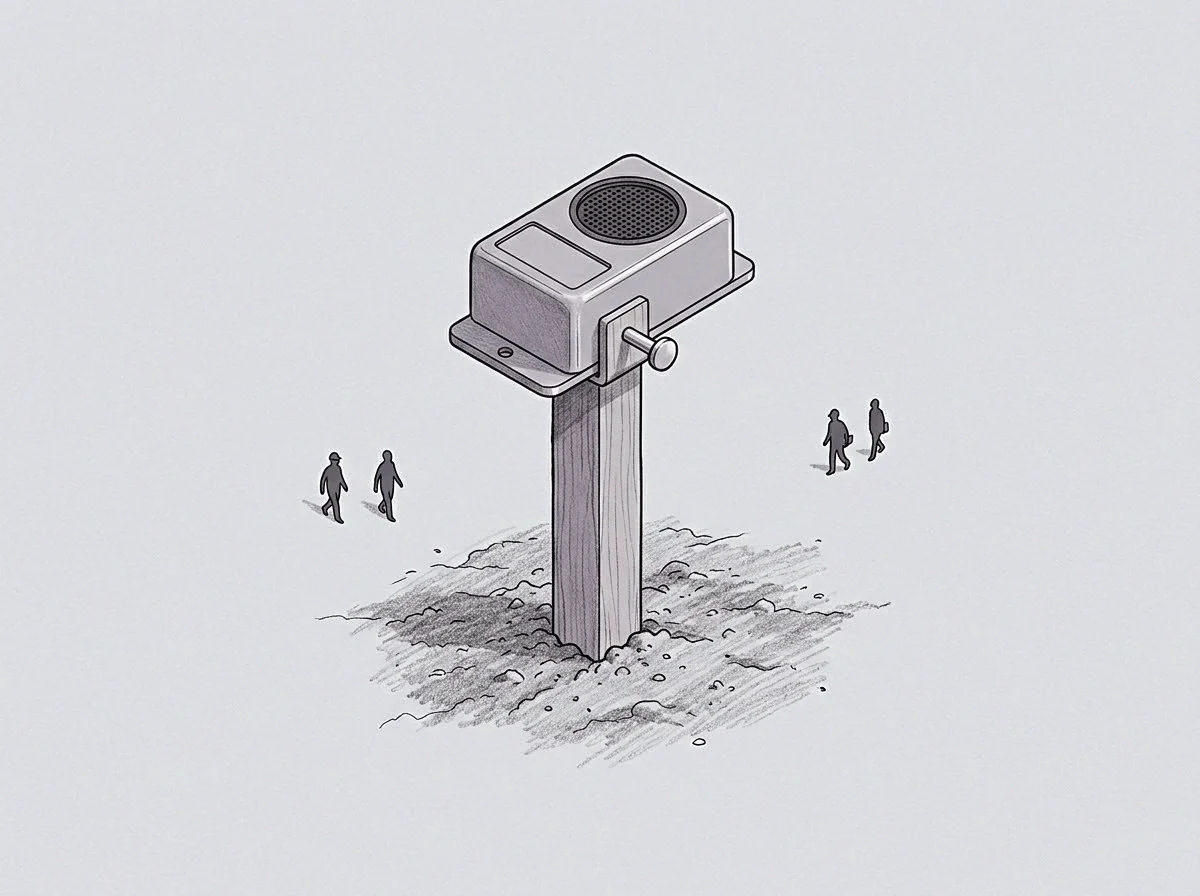
Cumulative consumption dynamics quantify the progressive exhaustion of finite physical, financial, technical or human inputs within an operating system. Analysts observe resource depletion when the operational consumption velocity of critical assets consistently outpaces replenishment or regeneration rates. This structural condition applies across raw inventory stores, liquid financial reserves, operational machinery lifespans and staff energy capacity until inputs are renewed or operations halt.
Velocity Tracking
Measurable burn rates establish the remaining operating runway before an enterprise exhausts critical reserves. Monitoring resource depletion requires cardinal measurements of cash burn, compute capacity consumption, machinery wear cycles and inventory runout schedules, providing clear visibility into remaining operational life. Quantitative precision prevents sudden insolvency.
Runout dates mandate immediate remediation.
Human Degradation
Unrelenting operational pressure drains cognitive capacity and physical endurance across frontline operating teams. Unmanaged resource depletion inside personnel manifests as voluntary attrition, climbing error distributions, product delivery delays and institutional knowledge loss. Overworked teams eventually fail to perform basic tasks.
Sustainable operations require structured operational pauses.
Regeneration Thresholds
Strategic asset preservation prevents the irreversible failure of key organizational capabilities during crisis periods. Once resource depletion passes the point where natural recovery or routine capital replenishment can restore original functioning, an enterprise faces permanent capability loss, requiring expensive recapitalization, restructuring or operational downsizing. Preserving essential minimums protects business survival.
Resource depletion exposes the exact limits of organizational endurance under sustained strain.