
Deriving Dynamic Conversion Gradients When Ordinal Operational Vectors Shift Under Inflationary Capacity Constraints
Translating ordinal operational priorities into cardinal prices under capacity strain requires steepening conversion gradients to match internal task drag.
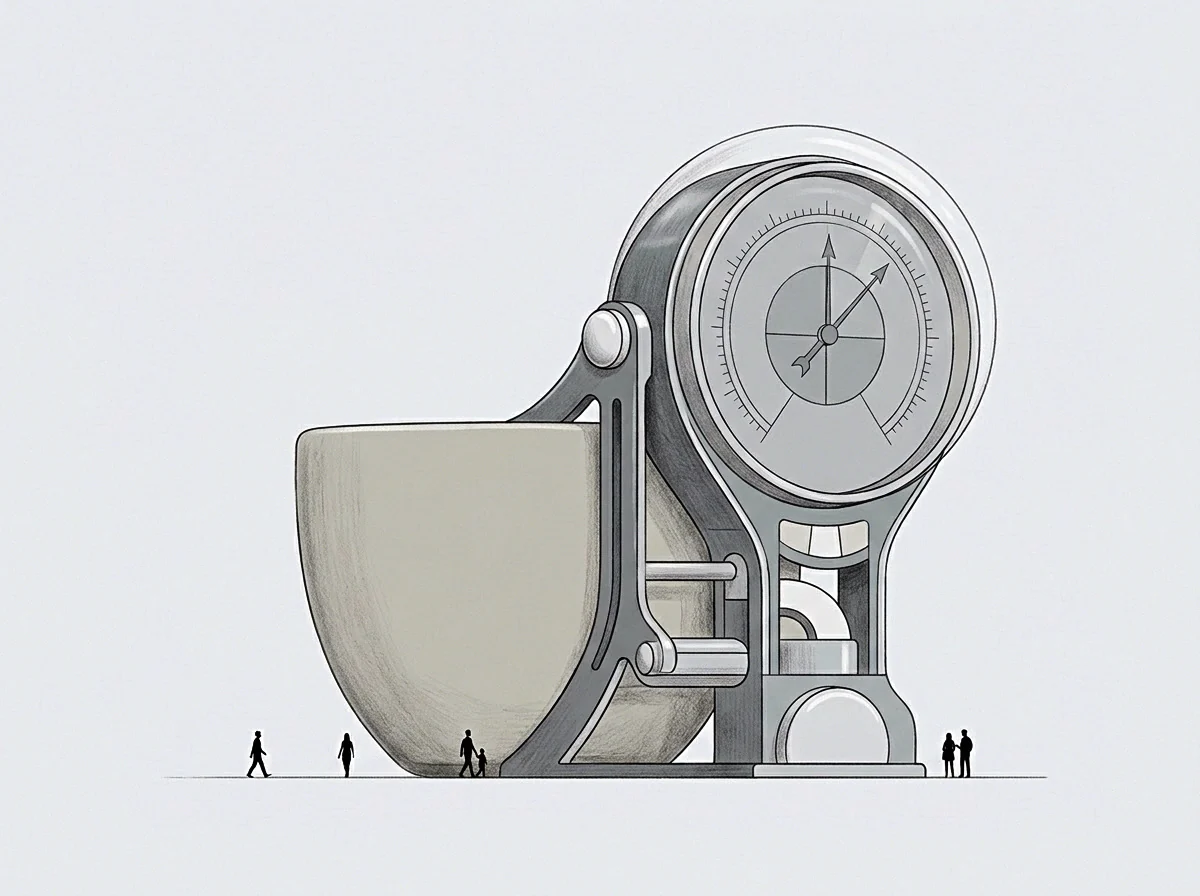
Scale
An internal priority list relies on relative rank, whereas an external quote uses fixed cardinal units. When volume stresses processing limits, the exchange rate between internal operational priorities and external commitments becomes unpredictable. A founder tracks six competing tasks by rank alone: client delivery precedes technical refactoring, which precedes financial administration, which precedes architecture revisions.
Cardinal metrics like dollar billings or recorded work hours fail to reflect the non-linear friction generated by simultaneous commitments. As available working hours diminish, each subordinate task incurs a compounding penalty in lost focus and increased execution lag.
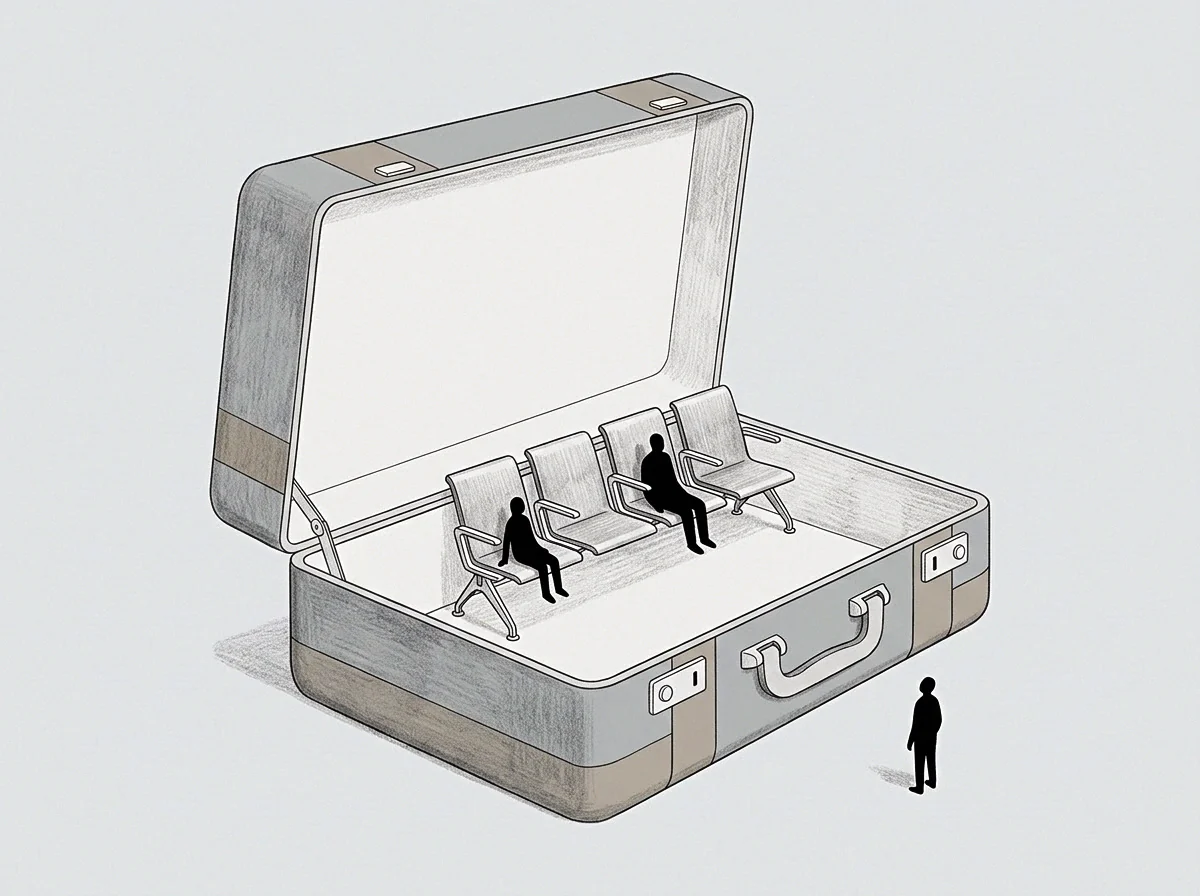
Ordinal Rankings in Depleted Environments
Relative rankings establish positional sequence without defining the mathematical distance between items. Priority one sits ahead of priority two, yet the operational friction dividing them expands dramatically when staff attention saturates. The firm experiences an internal rate of substitution that steepens with every additional work ticket accepted into the backlog.
Tasks classified as secondary suffer complete operational paralysis when primary workflows consume ninety percent of available attention. Executive decisions made under these conditions frequently assume uniform task intervals, creating systemic delivery shortfalls across subordinate work streams.
A production queue with depleted reserves converts positional priority into absolute operational exclusion.
- Positional task hierarchy assigns precedence across queued deliverables while obscuring the absolute cognitive overhead that each step imposes on fatigued personnel.
- Cardinal price translation converts fluid internal operational sequencing into fixed commercial agreements that remain static despite rising delivery friction.
- Capacity depletion multiplier accelerates task completion latency across subordinate work queues as primary operational objectives consume shared executive oversight.
Executive teams attempting to price commitments against historical averages discover that additional throughput degrades overall team output. Overcommitting junior staff to secondary administrative work reduces the velocity of primary technical initiatives. Treating rank order as a static mathematical ladder forces teams into severe delivery bottlenecks that destroy profit across fixed-bid client agreements.

Room
Physical constraints inside a workspace reveal operational saturation faster than software dashboards. Desks accumulate printed schematics, whiteboard diagrams remain unadjusted for weeks, and spontaneous working discussions cease as personnel retreat into heads-down survival mode. When an office reaches processing limits, conversational interruptions carry severe cognitive transition penalties.
The operator spends thirty minutes recovering context after answering a two-minute operational query from a junior designer. Individual working velocity diminishes across all functional desks simultaneously.
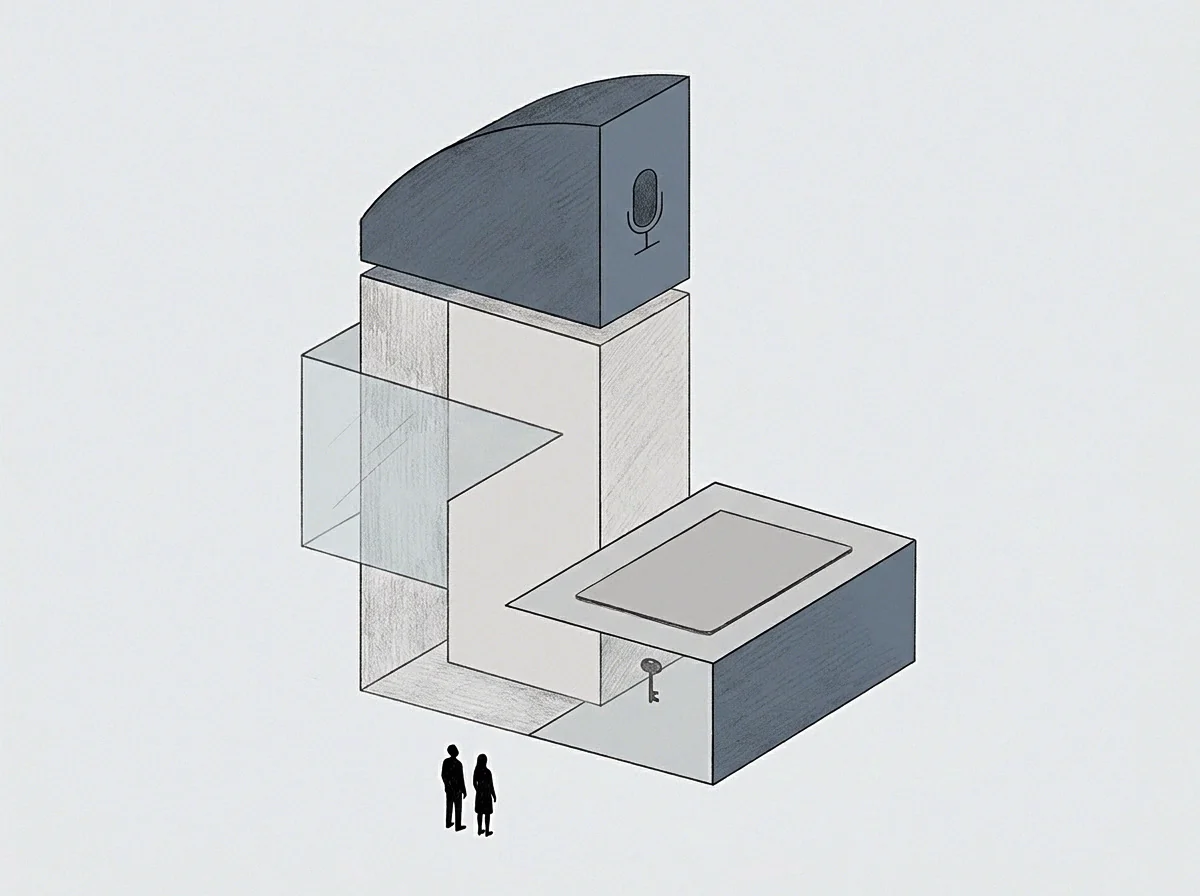
Physical Space and Internal Processing Latency
Context recovery delays mount whenever multi-tasking fractures cognitive focus across competing client priorities. An operator managing three concurrent projects reallocates operational attention through fragmented ten-minute intervals. The physical environment mirrors this fragmentation through half-finished hardware assemblies, unreviewed contracts stacked beside keyboards, and unread operational logs on display terminals.
The firm incurs massive hidden coordination penalties that never register on financial accounting sheets.
A team operating beyond its cognitive volume limits charges external clients historical rates while paying exponential internal coordination penalties.
Technical personnel experience rapid fatigue when operational triage replaces disciplined execution routines. The firm absorbs substantial internal drag that cardinally denominated billing rates cannot recapture.
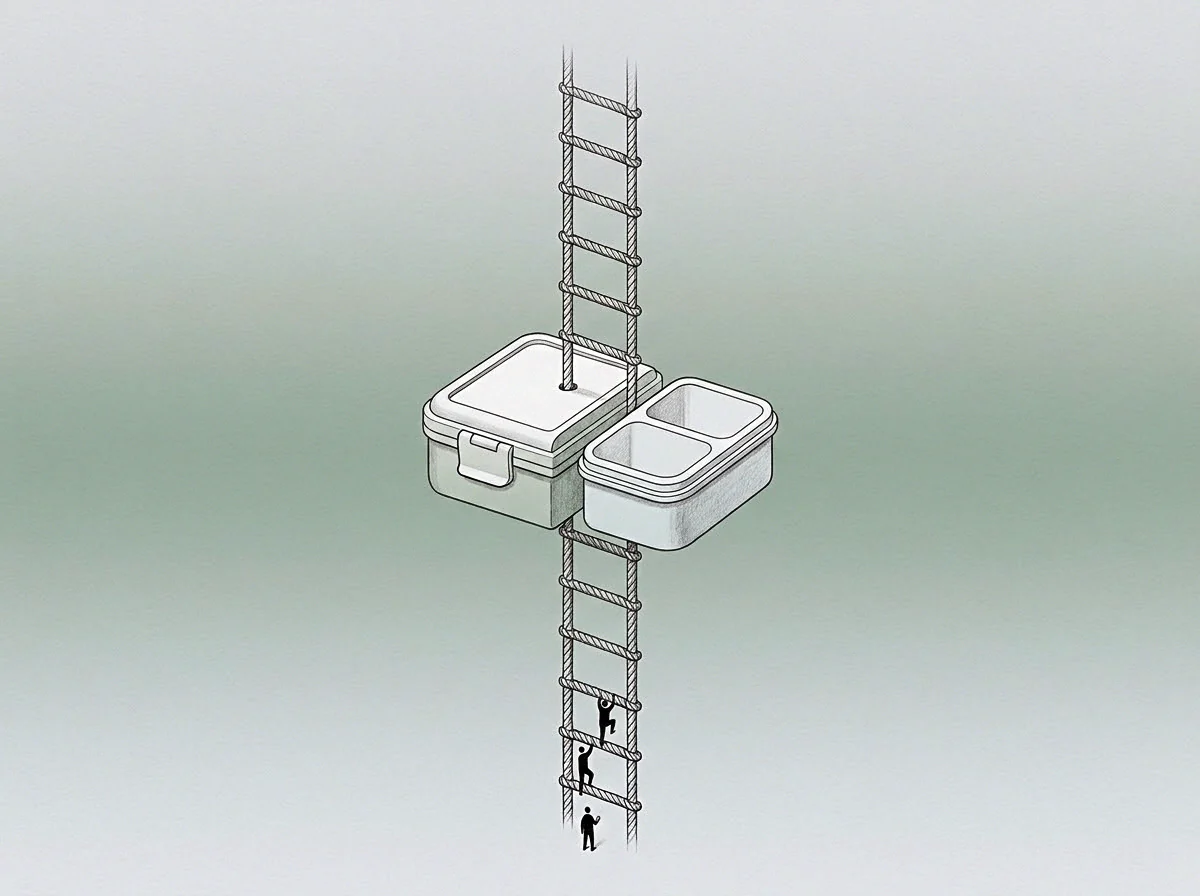
Structural Comparison of Commitment Vectors
The physical environment reflects whether an operational pipeline maintains adequate slack or operates under severe task compression.
| Execution State | Task Sequencing Metric | Marginal Friction Cost | External Conversion Rate |
|---|---|---|---|
| Unconstrained Baseline | Ordinal priority schedule | Linear time decay | Stable cardinal pricing |
| Threshold Compression | Dynamic priority triage | Quadratic attention drag | Volatile delivery premium |
| Severe Saturation | Stochastic operational preemption | Exponential systemic friction | Negative economic margin |
Engineers cannot deliver this specification on Friday because the team is trapped fixing earlier production outages.
Slope
Conversion gradients measure the mathematical velocity at which internal operational priorities must translate into higher cardinal billing rates. When internal execution friction rises, the pricing curve must steepen to choke off marginal inbound volume. A firm that keeps its cardinal fee rates static while internal processing capacity inflates pays for that discrepancy through operational burnout.
The mathematical relationship governing internal relative priority and outward price structure requires constant calibration as team velocity deteriorates.

Can Stated Rates Absorb Compressed Operational Slack?
Calculated gradients indicate how much external revenue must compensate for each unit of consumed operational bandwidth. When operational queues encounter severe capacity bottlenecks, an incoming contract demands five times more coordination attention than an identical contract executed during calm periods. If commercial fees fail to scale alongside this expanding internal operational burden, the organization subsidizes client work with uncompensated staff fatigue.
The operator must establish dynamic conversion adjustments that automatically elevate commercial price floors whenever operational buffers drop below predefined tolerance boundaries.
A flat commercial fee charged during an operational bottleneck functions as an unhedged subsidy paid directly to the client.
A specific clause mandating an automatic forty percent rate adjustment on accelerated turnaround requests prevents operational collapse by converting incoming client demand into immediate operational buffer protection.
Strain
Systemic pressure reveals fault lines within previously functional operational pipelines. A company accepting new commercial commitments while core teams struggle with technical debt shifts the real burden onto institutional stability. The founder notices communication between department leads deteriorating into curt status updates.
Key personnel spend evenings answering support tickets rather than improving core infrastructure. The firm experiences rapid operational erosion that standard monthly accounting figures fail to detect until key personnel depart.

The Divergence Between Processing Capacity and Quoted Deliverables
Delivery timelines drift outward when operational pipelines absorb more work than internal communication architecture supports. A two-week software deployment stretches into seven weeks of emergency patching, code reviews, and defensive client meetings. This performance drift destroys commercial reputation while increasing staff turnover risks.
When internal execution sequences conflict with external expectations, the entire team operates in continuous reaction mode.
When an operational pipeline breaks down under excessive load, the structural consequences cascade through distinct organizational layers:
- Client communications shift from proactive development reviews to defensive crisis management sessions.
- Senior developers abandon architectural modernization projects to handle repetitive manual configuration errors.
- Executive management offers unhedged commercial discounts to placate delayed counterparties, further compressing project profitability.
Can an organization accurately derive its real operational conversion gradient before internal staff attrition permanently damages core production capabilities?

Margin
Real commercial viability depends on preserving sufficient operational buffer between total capability and promised deliverables. Without this protective barrier, unexpected operational anomalies instantly paralyze client delivery schedules. A prudent founder maintains twenty percent excess team bandwidth to absorb inevitable operational shocks.
Pricing structures must reflect this structural buffer requirement, ensuring clients fund the institutional capacity necessary to guarantee dependable execution.
Mathematical Transmission to External Counterparties
Converting internal relative priorities into external cardinal quotes requires rigorous operational calibration. The founder communicates clear commercial terms that reflect true internal delivery constraints rather than speculative growth targets. Setting contractual terms that restrict incoming workload volume protects internal team focus while preserving enterprise quality standards.
Accurate commercial conversion preserves organizational health during rapid business expansion cycles.
A contract executed without operational buffers transfers systemic delivery risks directly onto internal staff health.
Protect operational buffers during periods of high demand rather than optimizing for peak contract volume.