

Mapping Unseen Spatial Impedance To Isolate True Operational Intent
True operational intent is isolated by measuring work trajectory deviations around unseen spatial friction rather than trusting stated strategic goals.
True operational intent is isolated by measuring work trajectory deviations around unseen spatial friction rather than trusting stated strategic goals.

Prioritizing emergency incident latency consumes uninterrupted engineer capacity, converting invisible ordinal debt into recurring cardinal operational failures over time.
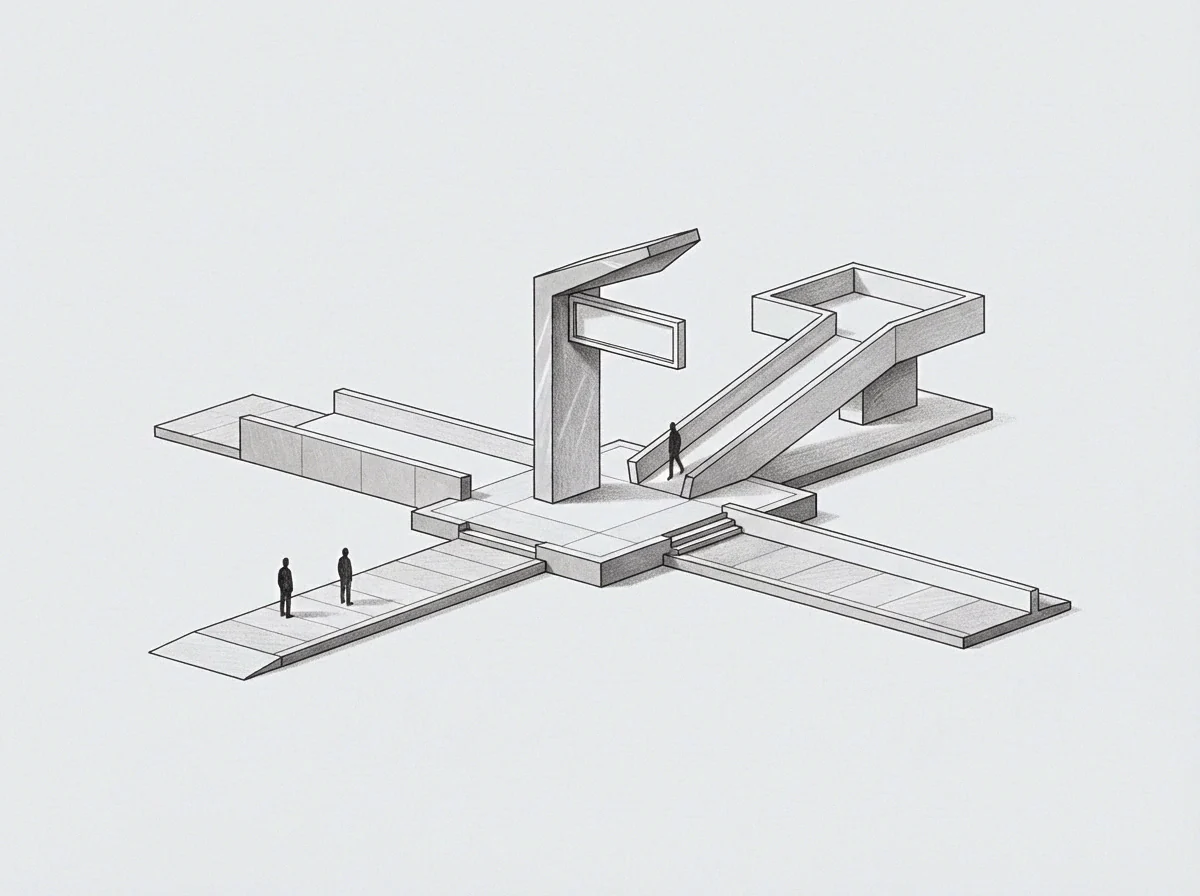
A strategic shift is confirmed when operational outputs move beyond two standard deviations of a recorded baseline over a fixed window.

Synthetic operational baselines convert unclassifiable launch data into directional vectors by measuring relative variance against recorded day-one noise floors.
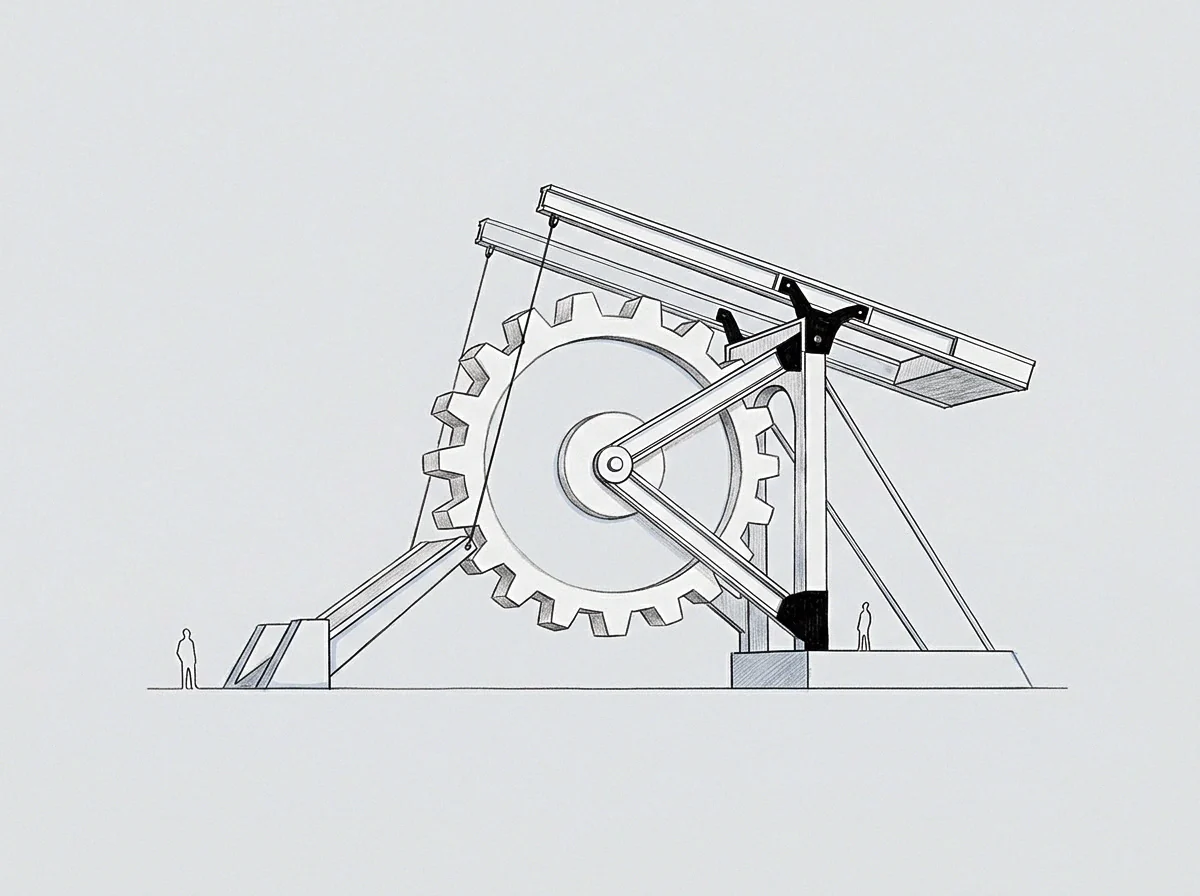
Decreasing resource allocations reduce absolute delta magnitude, requiring extended window durations to prevent ambient signal noise from obscuring true system movement.

A gradient computed from value measures directional change along an established coordinate without introducing qualitative assessment or moral judgment.
The terms are written where they belong. Each field holds three desks, and every entry a desk writes raises the terms it uses, each term given a meaning, a mechanism and the places it appears. The record on these pages stays first person and hand made; the fields grow the nomenclature.