
Measuring Attention Vector Degradation Across Overlapping Multi Client Operational Threshold Boundaries
Multi client operational threshold overlaps cause exponential decay in attention vectors through compounding context switching retrieval costs.

Board
A dark monitor displays four concurrent client incident queues at two in the morning. Each account presents urgent operational tickets requiring immediate contextual reasoning. The operator toggles rapidly between distinct code repositories, communication channels, and architectural diagrams.
Initial response speeds remain high during the first hour. By the third hour, context retrieval stalls, edge cases pass unnoticed, and minor operational tasks take triple their allocated time.
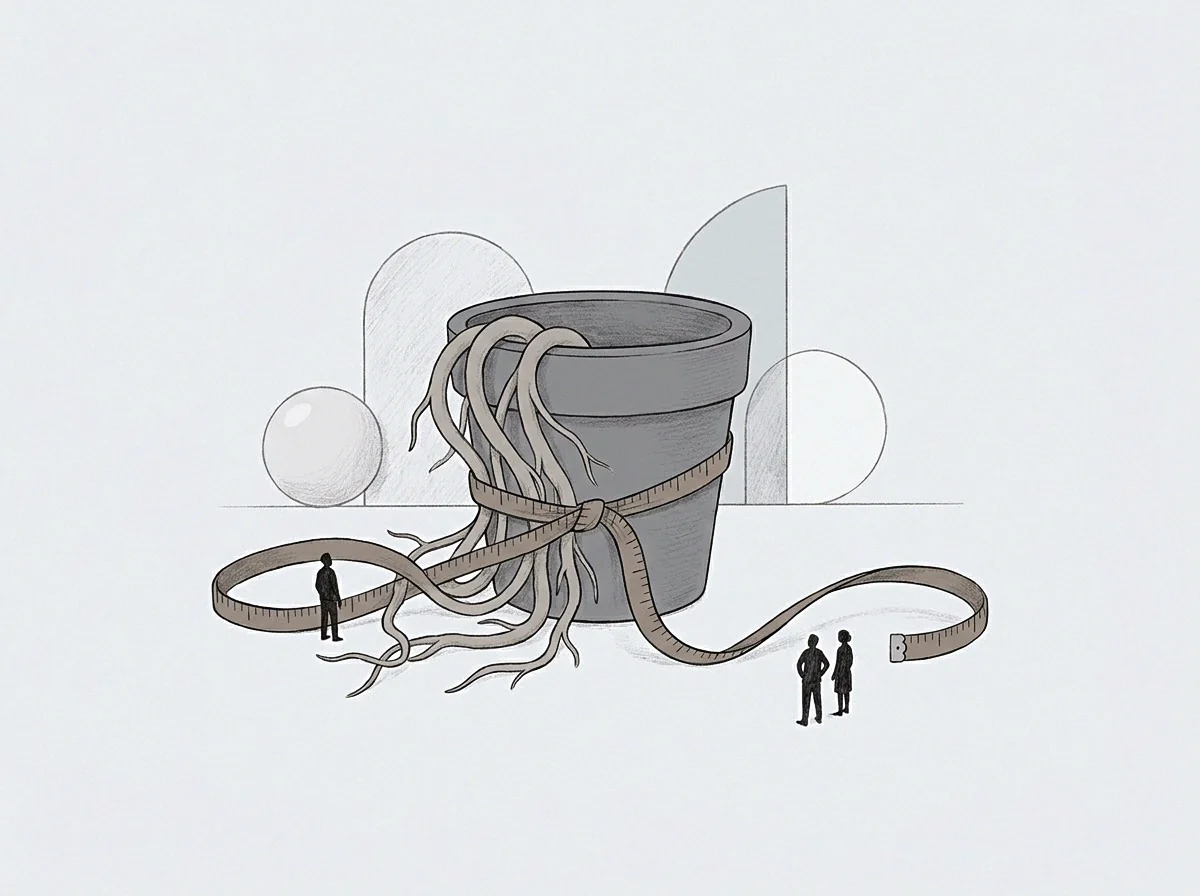
Operational Capacity Limits Across Concurrent Demands
Engineers managing multiple client accounts frequently encounter sharp drops in cognitive throughput. The system does not fail due to lack of effort. Failure occurs because attention functions as an ordinal vector with finite components rather than an infinite reservoir.
When operational threshold boundaries overlap across several accounts, context switching introduces heavy cognitive overhead. Memory state reconstruction eats away at working capacity.
Attention drops under load.
Every switch carries cost.
Capacity reached its ceiling.
System output dropped sharply.
The operational buffer collapsed.
Standard billing models measure client engagement in cardinal hours spent. A client invoice reads twenty hours of engineering work, treating every hour as identical to the last. This accounting obscures the internal vector shift.
Ten hours spent on one client project preserve high focus quality. Ten hours split across four overlapping client thresholds drain attention exponentially faster. The cost lands directly on the operator in memory fatigue and degraded decision quality.
Context switching across client account boundaries consumes working memory faster than task completion restores it.
When multiple client environments trigger high priority events simultaneously, operational threshold boundaries overlap completely. The human operator attempts to preserve service level agreements across all accounts at once. Focus fragments into small, ineffective fragments across competing tasks.
Decision accuracy drops as context restoration delays compound across every subsequent context shift.
Ignoring cognitive threshold saturation across parallel engagements yields compound defect rates that destroy operational trust.

Signal
Decomposing human focus across active operational channels reveals distinct vectors of degradation. Attention contains several measurable attributes, including context retention, latency to resolution, error discrimination rate, and cognitive recovery speed. When an operator services multiple clients, these attributes degrade at varying rates depending on domain complexity and operational overlap.
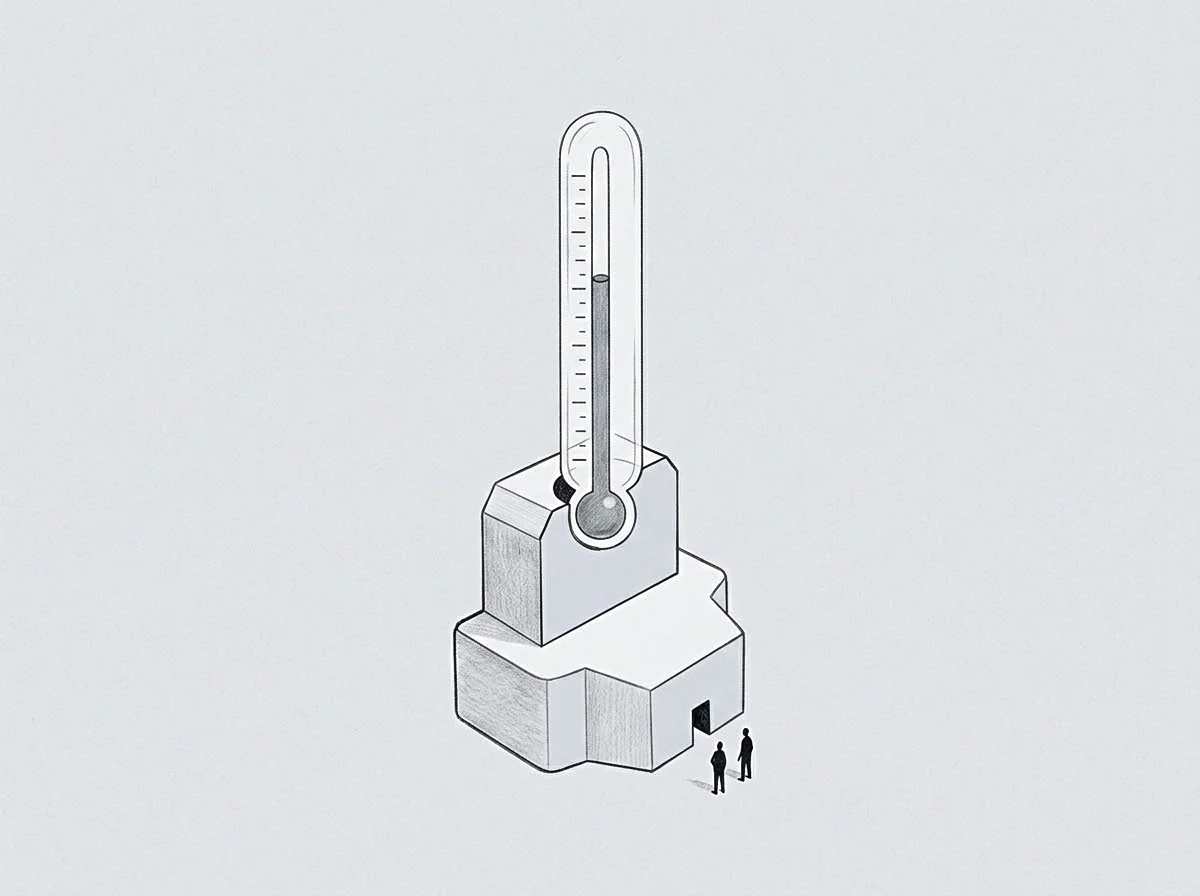
Component Vectors of Attentional Degradation
The primary component of degradation is the context retrieval delay. When switching from an infrastructure migration project for one client to a software bug investigation for another, the mind must reload mental models, code patterns, and client history. This reload process consumes time without generating productive output.
As overlapping client requests multiply, context retrieval time eventually exceeds execution time.
The channel went silent.
Memory decay accelerates fast.
The latency spiked immediately.
Client requests arrived together.
The second request failed.
The secondary component is error discrimination loss. Saturation of operational threshold boundaries lowers the operator capacity to identify edge case failures. Subtle system anomalies pass into production unchanged because the visual and logical verification passes run on reduced cognitive bandwidth.
- Context Retrieval Cost Memory state rebuilding delays execution during rapid channel switching.
- Latency Decay Vector Response times widen as working memory saturates under simultaneous operational demands.
- Cross Contamination Risk Analytical models from one client domain leak into adjacent operational architectures.
- Boundary Saturation Index Capacity limits collapse when three complex environments demand immediate resolution.
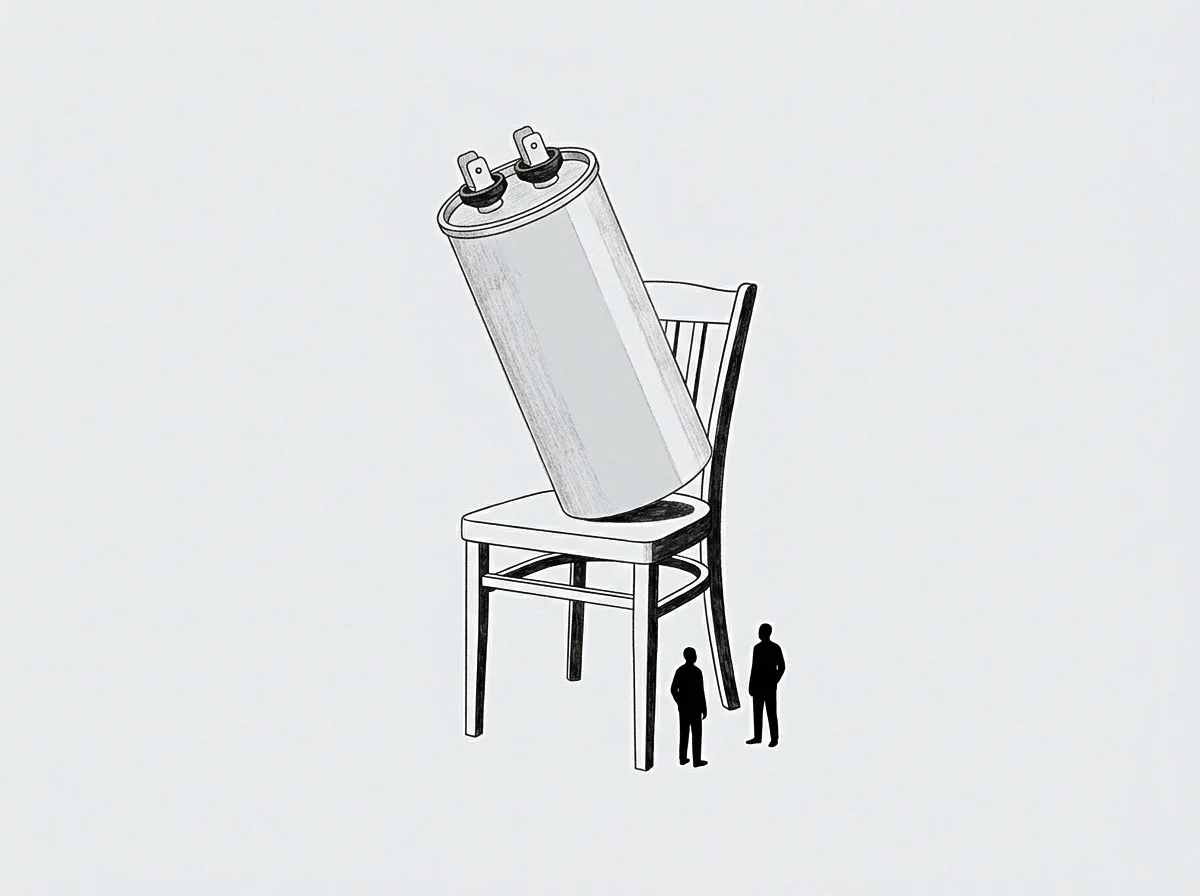
Is Attention Recoverable After Operational Threshold Saturation?
Recovery depends entirely on continuous, uninterrupted rest blocks. Restoring a saturated attention vector requires complete isolation from active operational triggers. Short breaks between overlapping client sessions fail to reset context retention registers when notification feeds remain active.
Attentional vector magnitude decays rapidly once concurrent active operational boundaries exceed three distinct domain models.
Attentional recovery demands unbroken rest blocks equal to the continuous duration spent switching across active operational channels.

Drift
Cardinally billed client hours obscure the underlying ordinal depletion of cognitive energy. A consulting practice may sell forty hours a week across five enterprise accounts, assuming linear allocation. Human execution reality resists linear distribution across competing operational contexts.
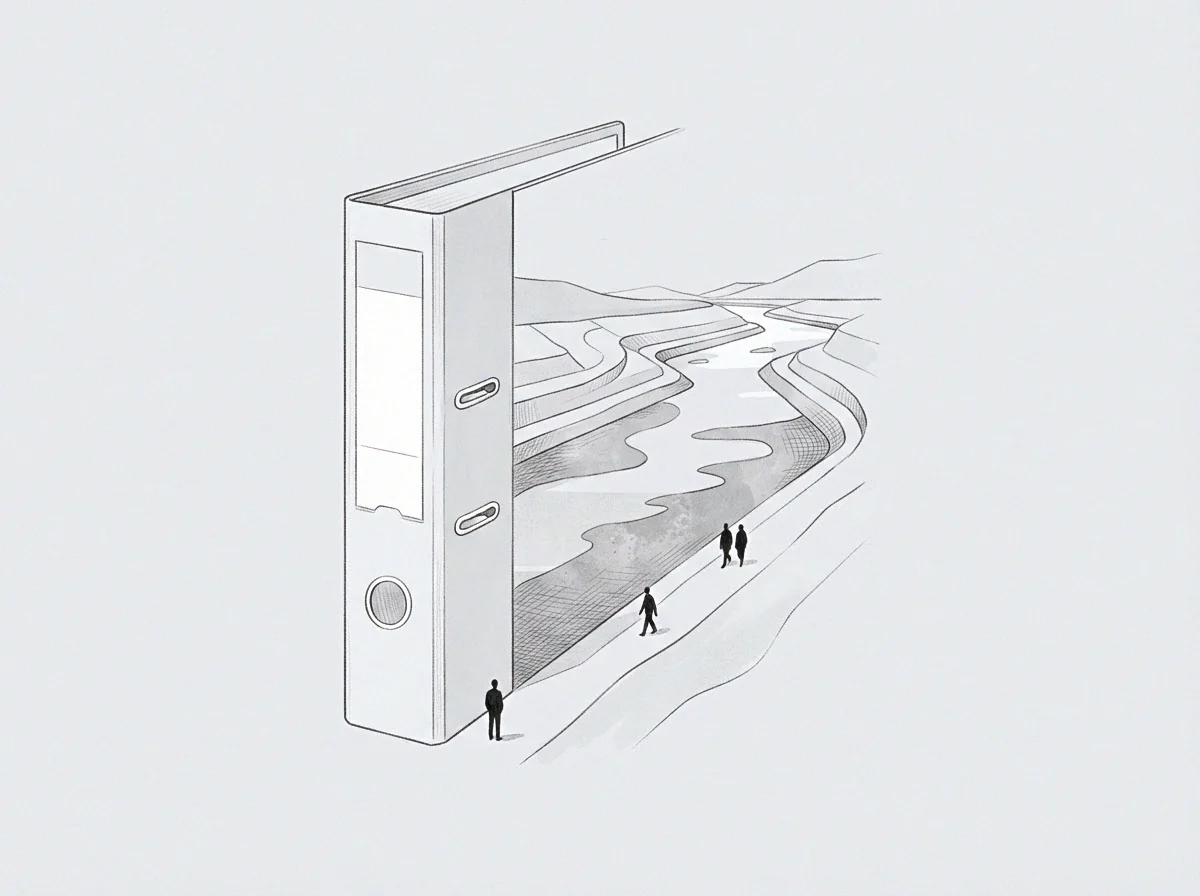
Multi Client Operational Threshold Comparison
Analyzing structural approaches to managing multi-client operational threshold boundaries reveals stark trade-offs between execution speed, error rates, and cognitive strain.
| Allocation Model | Latency Penalty | Cross-Contamination Rate | Recovery Vector Cost |
|---|---|---|---|
| Dedicated Boundary Allocation | Low | Minimal | Low |
| Rotational Context Switching | Moderate | Moderate | High |
| Reactive Threshold Bursting | Severe | High | Extreme |
Dedicated boundary allocation restricts an operator to one client environment per operational block. This structure isolates mental models, minimizing cross-contamination and context retrieval penalties. Rotational context switching schedules fixed time slices across accounts, introducing moderate latency as mental models rebuild during each transition shift.
Reactive threshold bursting represents the worst operational condition. Operators attempt to handle inbound requests from multiple clients as they arrive, continuously breaching operational threshold boundaries. Latency penalties skyrocket, error rates compound, and recovery time stretches from hours into days.
Adding concurrent high-demand boundaries degrades existing outputs faster than dropping lower-tier tasks recovers capacity.
The service level agreement guarantees baseline response times across all primary accounts regardless of internal workload distribution.

Split
Consider an operational setup where an agency founder manages four overlapping enterprise accounts. Assume each client retainer guarantees four-hour response times for emergency system incidents. On a quiet afternoon, incoming ticket volume stays within tolerable operational thresholds.
The founder moves between client tasks with minimal friction, maintaining high attention quality.

Worked Allocation Under Overlapping Threshold Boundaries
At three in the afternoon, Client A experiences a database connection drop. While investigating Client A log files, Client B submits a critical security update request. Simultaneously, Client C requests an immediate architecture review call.
The operational threshold boundaries of three distinct clients collapse into a single time window.
Context switches accumulate rapidly.
The setpoint shifted upward.
The founder opens three separate terminal environments and two messaging clients. Execution speed drops instantly. The time required to parse log lines for Client A doubles because half of the working memory holds security parameters for Client B. On the call with Client C, the founder provides generic architectural recommendations because specific system details fail to register in active context memory.
- Account boundaries define clear execution windows to prevent immediate context switching.
- Response thresholds establish baseline delays between incoming client messages and action.
- Capacity vectors determine maximum active account density per operational shift.
The monetary revenue from all three clients remains fixed by retainer agreements. The cardinal price received stays constant while the ordinal cost paid by the operator explodes. The attention vector suffers severe degradation, taking forty-eight hours of operational isolation to recover to baseline capacity.
The cost of overlapping operational thresholds lands entirely on the operator’s personal capacity vector, leaving nothing for strategic product development.
Enforcing hard context boundaries between active client systems limits attentional leakage even under high request velocity.
Enforcing a mandatory twenty minute buffer between client context transitions maintains ordinal capacity vectors above critical threshold limits.

Cost
Converting internal ordinal exhaustion into transparent cardinal parameters protects long-term execution quality. Founders and operators often hide attentional degradation from client counterparties, attempting to project infinite operational capacity. This tactic creates covert execution contracts where clients expect rapid responses while the operator silently absorbs compounding cognitive degradation.
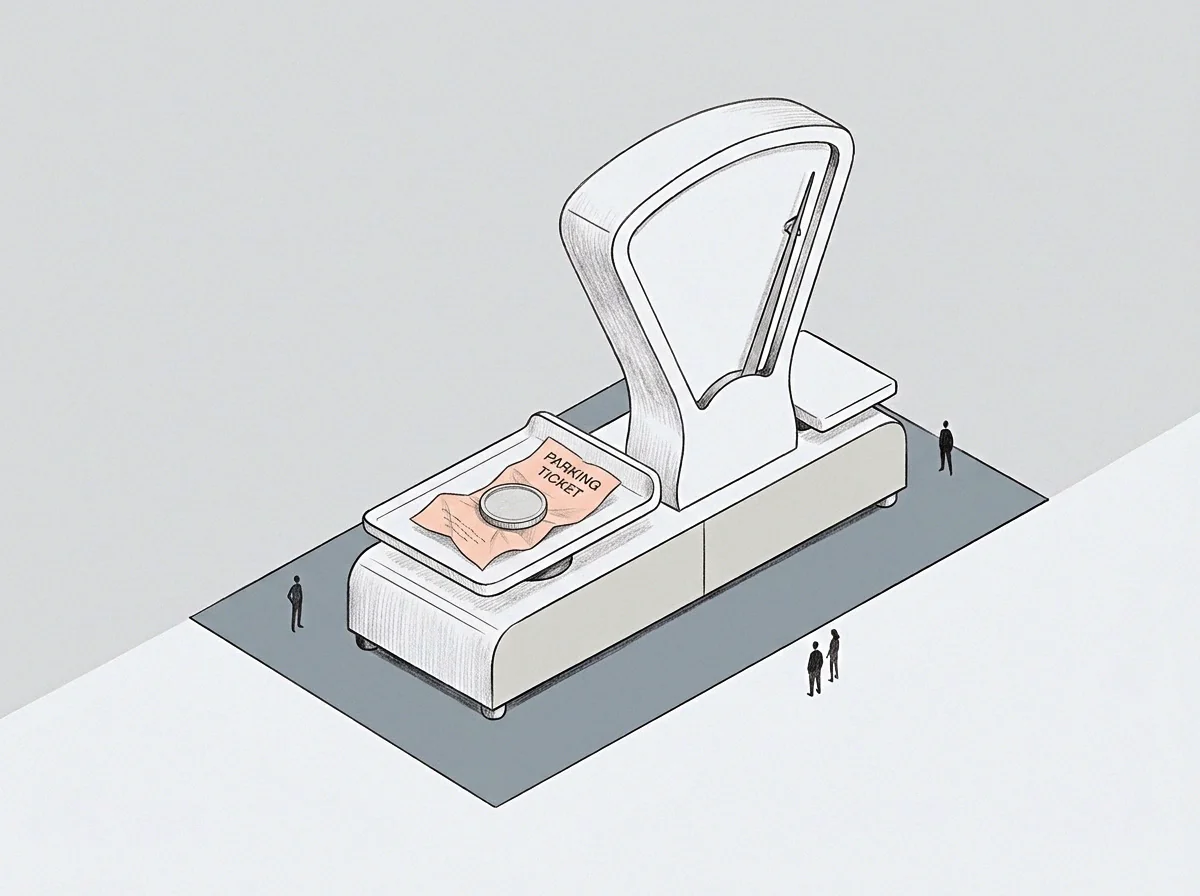
Structural Boundaries for Sustained Operational Capacity
Stating operational boundaries early changes client behavior and protects attentional integrity. Establishing explicit threshold rules, such as minimum batch window processing times and structured escalation paths, converts vague expectations into clear operational constraints. Clients adjust their workflow when response boundaries receive clear definitions backed by standard operational procedures.
Attention represents a finite operational resource that degrades predictably under context switching stress. Organizations that measure client workload purely in cardinal billing hours fail to capture the exponential cost of multi-client threshold overlap. Protecting operational capacity requires structuring work environments around human cognitive limits rather than arbitrary scheduling expectations.
Whether client contracts can ever accurately price the hidden degradation of attention vectors across compounding threshold boundaries remains an open structural debate.