Meaning
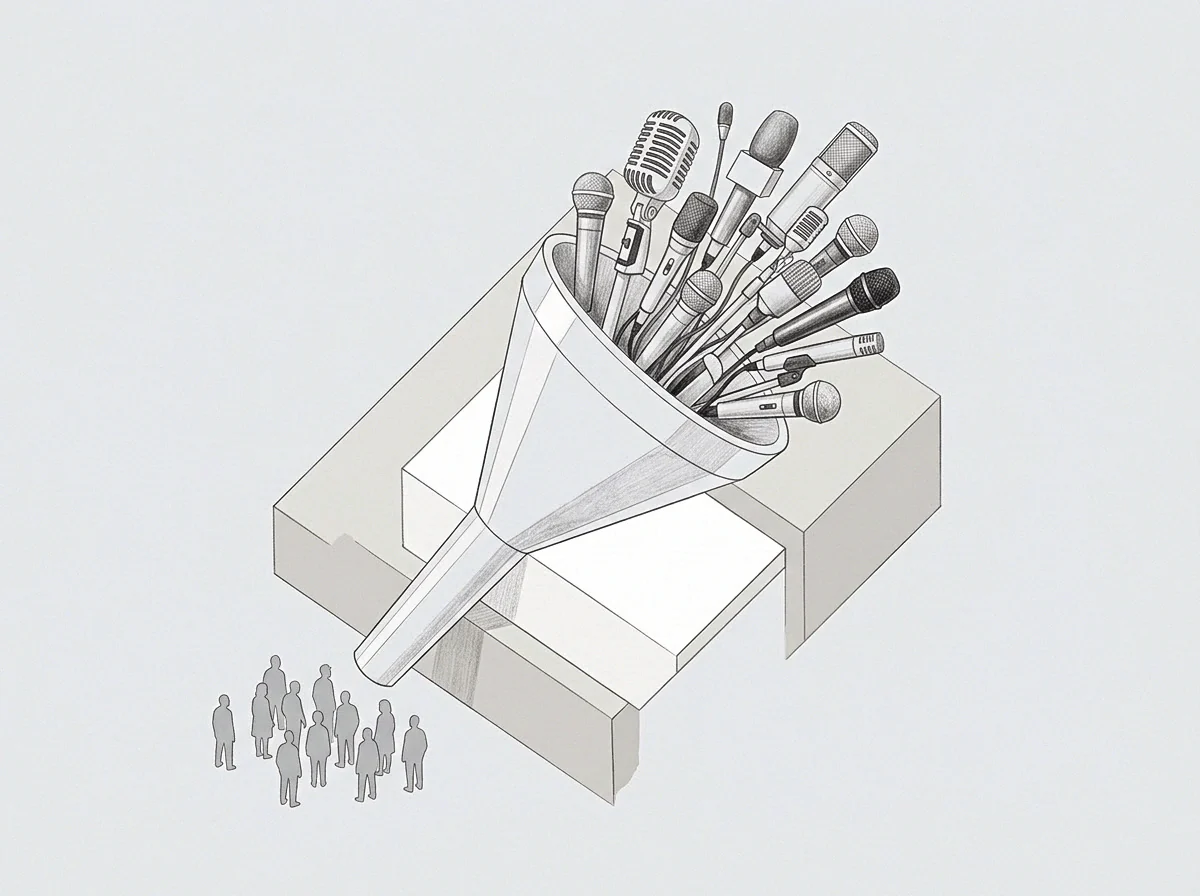
Control parameters that define the upper and lower limits of an acceptable range for a given metric or behavior establish the conditions for automated or manual intervention. These threshold boundaries act as triggers that distinguish between normal operation and alert states. They are measured on the same scale as the metric they govern, whether that is a cardinal monetary value or an ordinal quality score.
The concept stops applying when the variables being measured move into a chaotic state where the limits no longer predict the need for action.
Alert Mechanism
Setting precise limits for a metric allows a manager to practice management by exception. Instead of reviewing every data point, the focus is directed only to those instances where the value crosses the threshold boundaries. This mechanism protects the attention of the observer and ensures that resources are deployed only when a measurable deviation occurs.
If a profit margin falls below a certain percentage, an alert is triggered to prompt a review of the cost structure.
Decision Logic
Clear limits provide a framework for decentralized decision-making by giving team members a defined area of autonomy. As long as a project stays within the budget and timeline limits, the person responsible can proceed without seeking further approval. This structure reduces the need for constant supervision while maintaining a baseline of control.
It also makes the criteria for success or failure explicit for everyone involved.
Parameter Calibration
Periodic adjustments to these limits are necessary to ensure they reflect the current goals and constraints of the business. If the boundaries are too tight, the system will produce an excessive number of false alarms. Should they be too loose, serious problems might go unnoticed until it is too late to fix them.