
Preserving Core Enterprise Functions Under Severe Cash Depletion
Preserving core enterprise functions under cash depletion requires segmenting operations by immediate liquidity impact and rationing labor hours to protect core income.

Split
Payroll sits seventeen days away. Liquid cash reserves drop below thirty days of operational expenditure, forcing an immediate division between activities that sustain payment clearing and activities that build long-term enterprise valuation. The operator reads the account balance as a cardinal price figure, yet internal commitments represent an ordinal cost vector containing engineering hours, vendor relationships, and executive attention.
Continuing every functional line equally under acute cash depletion burns liquid reserves before core revenue mechanisms recover. The enterprise must isolate functions that generate immediate cash inflows or satisfy legally non-negotiable obligations from work that merely expands future operational capacity.
Because fixed commitments compound every midnight, a cash drain exposes the structural distance between essential transaction lines and discretionary corporate growth. The founder categorizes every payroll line item on a single cardinal axis of dollar cost, missing how individual functions drain distinct internal capacity. Engineering tasks consume developer focus and cloud infrastructure capacity, while customer support drains direct labor hours and account manager attention.
Across-the-board spending cuts under acute depletion degrade high-yielding operations while preserving low-yielding administrative overhead.
Placing operational priority on non-essential overhead during liquidity stress exhausts reserves before revenue mechanisms recover.
Differentiating critical operations requires evaluating how each corporate unit impacts immediate balance sheet solvency. Core payment processing, primary product infrastructure, and direct sales execution form the primary layer of survival. Marketing research, experimental feature development, and long-term corporate restructurings sit in the secondary layer.
The balance sheet reflects past allocation decisions, but current cash depletion enforces forward-looking triage. Reducing allocation to the secondary layer preserves liquid cash without causing instant revenue interruption.

Structural Segmentation of Corporate Operations
Functional units divided strictly by cash impact reveal which departments produce immediate liquidity. The executive team examines the weekly outlay across all active contracts, identifying which services trigger contractual default or customer churn if suspended. Transaction settlement systems cannot pause without halting incoming capital.
Conversely, brand monitoring software and internal analytics platforms continue operating on historical data without threatening daily operational viability.
Misclassifying secondary corporate functions as essential operations accelerates enterprise insolvency by spreading finite capital across unsustainable activities.

Wire
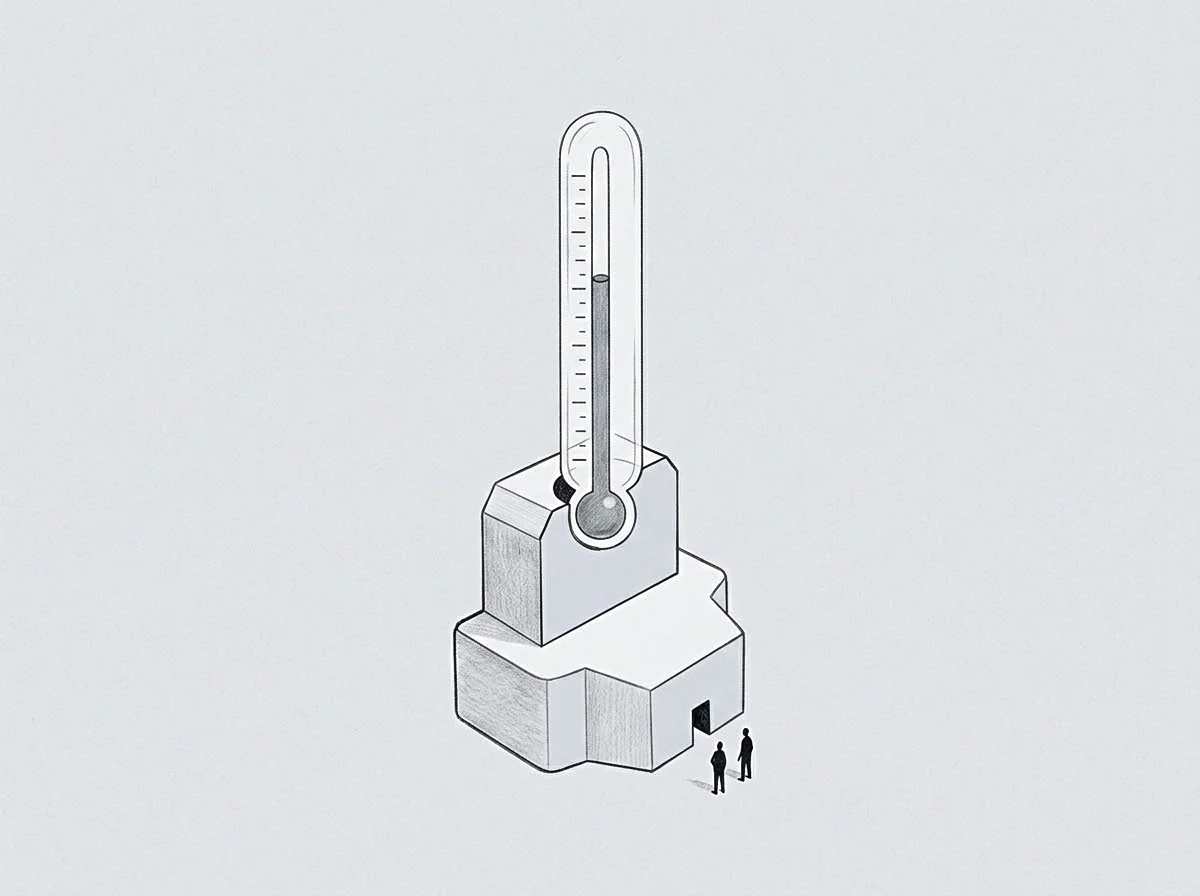
Technical Infrastructure and Essential Transactional Channels
Physical transaction wires and server infrastructure form the baseline of operational throughput. Cash depletion forces an immediate inventory of every digital channel processing customer transactions. A software platform running twenty distinct internal cloud services often carries redundant data processing nodes designed for high availability during scale spikes.
Under cash stress, the system architecture scales back to minimum redundancy parameters to cut hosting invoices while maintaining core database access. Because vendors react to late notices, the operator audits supplier contracts to identify which infrastructure providers hold unilateral shutdown rights upon late payment.
- Core transaction processing maintains incoming customer payment channels, preserving daily liquid inflows while secondary batch jobs sit paused.
- Direct vendor settlement secures critical raw material supply lines, preventing physical assembly line halts during lean operational windows.
- Regulatory compliance filings preserve legal operational status, averting statutory fines that compound balance sheet liabilities.
Capital depletion changes how technical debts are weighed internally. A feature build delayed by six weeks costs developer focus, but a server cluster shut down for non-payment destroys active client relationships instantly. The trade-off favors immediate functional continuity over architectural perfection.
The operator reduces external software subscriptions to single-seat access levels, shifting routine task processing back to manual employee workflows where labor hours are already contracted.
Defaulting on essential vendor terms revokes commercial credit limits across all connected operating channels.
Because contracts specify exact notice dates, renegotiating vendor terms requires translating internal operational constraints into modified settlement structures. Suppliers faced with an enterprise entering liquidity conservation prefer modified payment schedules over non-payment and bankruptcy claims. The operator presents suppliers with extended term requests structured around predictable baseline volumes rather than expansion targets.
The contract guarantees immediate suspension of hosting access if payment fails by forty-eight hours.

Ration
Capacity drops before output breaks; when cash can no longer fund full operational payroll, the organization rations available labor hours and attention across critical tasks. An employee split between managing vendor collections calls and completing core product deliverables experiences severe throughput degradation across both domains because cognitive attention is finite. The executive team constructs a strict hourly budget, assigning primary talent exclusively to revenue-generating operations while operational support tasks run at reduced frequencies.
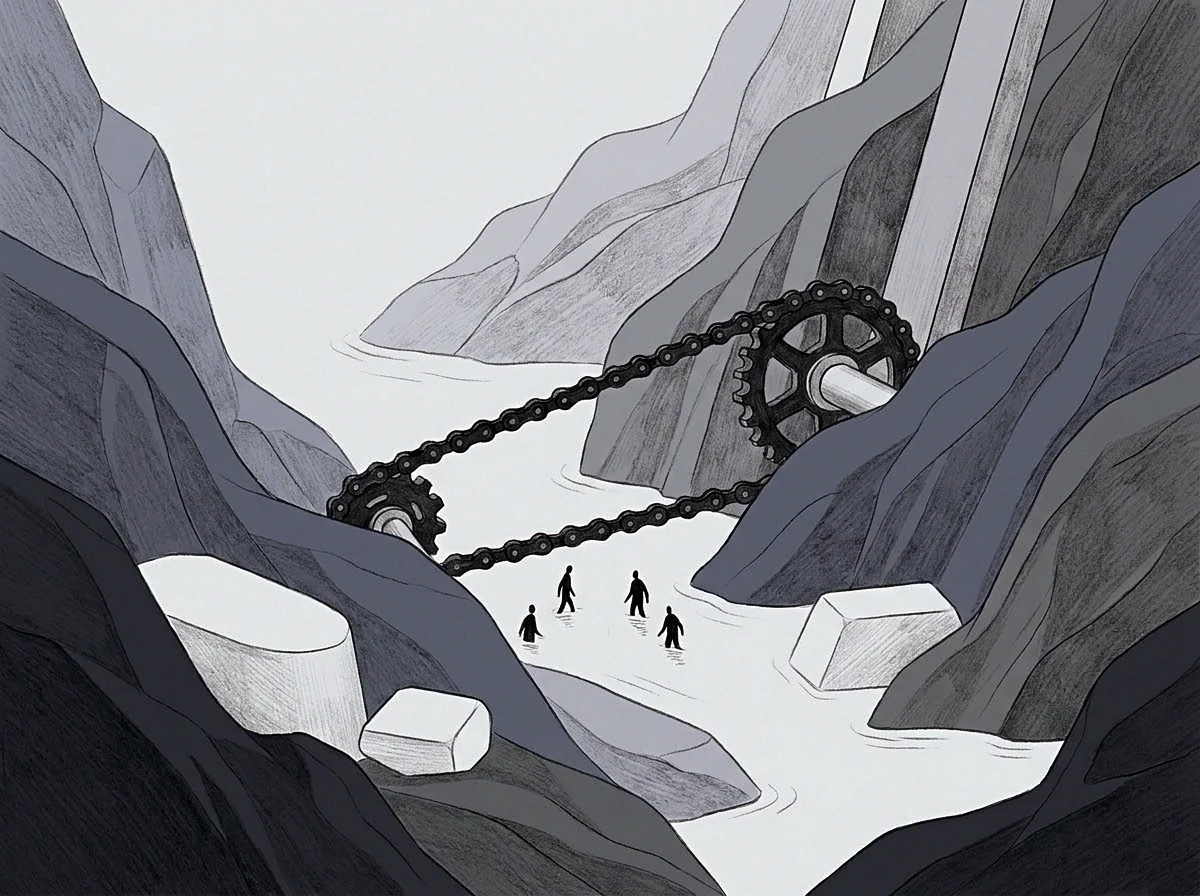
Where Does Organizational Capacity Collapse First Under Depletion?
Operational functions decay along distinct temporal trajectories when capital resources decline. Order fulfillment exhibits immediate sensitivity to resource reduction; a missing warehouse shift creates a backlogged inventory queue within twenty-four hours. Product development exhibits delayed sensitivity, where halting code commits causes no customer-facing errors for weeks until deferred bug fixes accumulate into system instability.
Understanding these differing decay rates allows management to stage cash preservation moves without causing simultaneous functional failure.
| Enterprise Function | Cardinal Monthly Expenditure | Ordinal Capacity Vector | Minimum Viable Hours | Failure Threshold Condition |
|---|---|---|---|---|
| Order Fulfillment | Forty thousand dollars | High operational dependency | One hundred twenty hours | Unfilled orders exceed forty-eight hours |
| Product Engineering | Eighty thousand dollars | Medium deferred impact | Forty hours | Primary application uptime drops below ninety-nine percent |
| Corporate Development | Twenty-five thousand dollars | Low short-term vector | Zero hours | Immediate suspension has zero operational impact |
| Expenditures converted to ordinal priority scales based on immediate liquidity preservation goals. | ||||
To match cash against immediate obligations, the management team measures the exact hour allocation across every active corporate initiative, cutting projects that demand high maintenance hours relative to their immediate liquid yield. A custom enterprise sales pilot consuming three senior engineers for two months yields less immediate cash balance survival than maintaining standardized software features for existing paying clients. Labor capacity reallocation protects the current income engine while sacrificing speculative expansion paths.
Preserving operational throughput takes precedence over structural expansion during liquidity contraction.
Workplace contracts and internal agreements establish baseline expectations for employee output. A mandatory eighty-percent drop in non-essential engineering hours protects short-term cash reserves while deferring major feature releases.
Yield
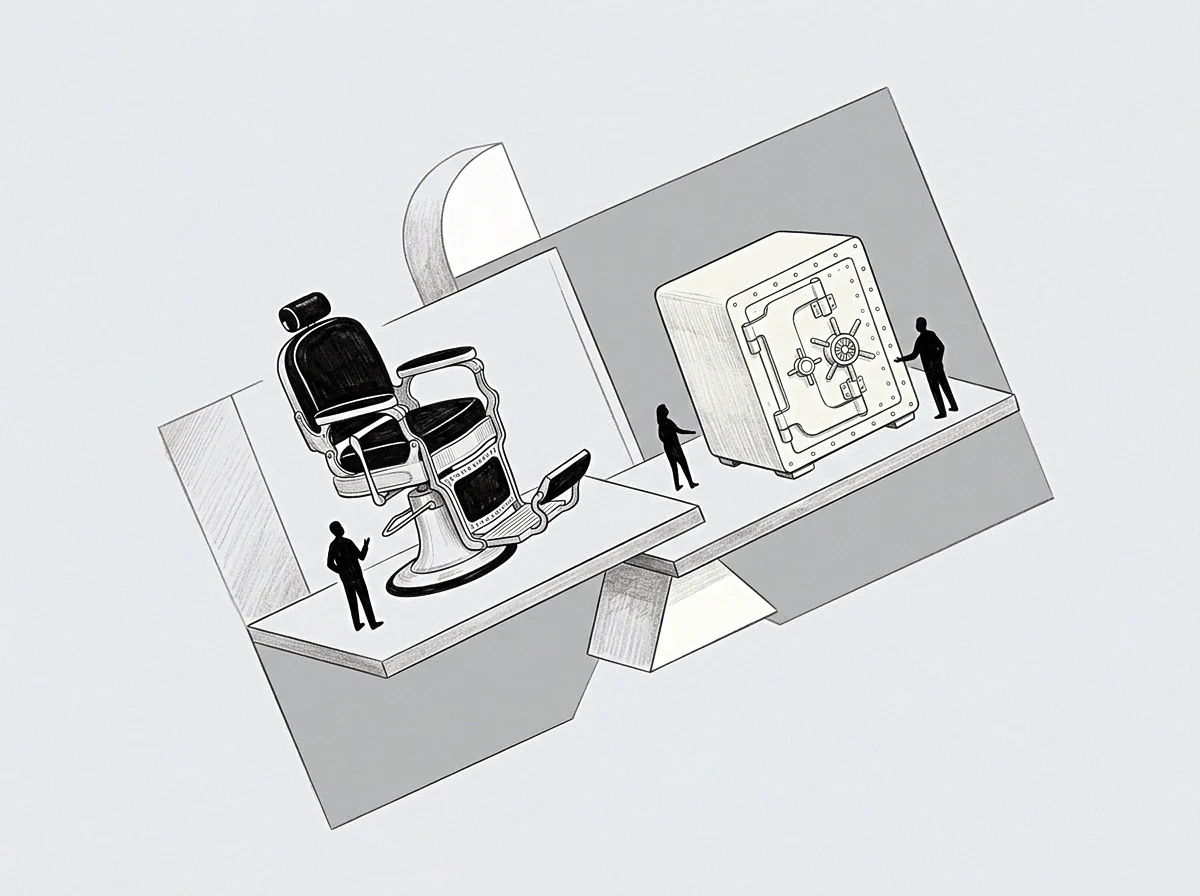
Cash Inflow Optimization and Asset Conversion
Internal cost management reaches a mathematical limit when variable expenses drop to zero. Further preservation requires accelerating cash inflows from existing assets and trade receivables. The enterprise converts non-liquid assets into immediate capital, accepting lower long-term financial yield to secure instant cash liquidity.
Discounts offered to clients for early invoice settlement convert outstanding accounts receivable into cash within forty-eight hours, trading gross margin percentage for balance sheet survival.
- Audit active receivables to identify payments past thirty days.
- Offer short-term settlement discounts to accelerate immediate cash collection.
- Renegotiate lease liabilities to align payment schedules with revised cash projections.
- Defer non-critical capital expenditures until liquid reserves match operating baselines.
As margins tighten under stress, the operator evaluates legacy equipment, unused software licenses, and excess raw inventory for immediate liquidation. Selling idle hardware at a forty percent discount from book value provides direct liquid reserves to cover approaching payroll obligations. Converting physical capital into cash reserves sacrifices future production capacity to eliminate immediate insolvency exposure.
Fixed commitments compound every midnight regardless of incoming transactional volume.
Trading long-term margin for immediate cash intake keeps core operations solvent during acute distress.
Guard

Governance Setpoints and Fiduciary Limits
The legal record reflects past decisions. Directors operating an enterprise under severe cash depletion carry fiduciary duties that shift as insolvency approaches. Legal boundaries restrict operating when there is no reasonable prospect of avoiding formal insolvency proceedings.
Management establishes clear financial setpoints that dictate when core functions can no longer be preserved through operational rationing. These setpoints prevent the unauthorized consumption of trust fund taxes, employee benefit withholdings, or ring-fenced customer deposits to fund daily operating losses.
Protecting enterprise value under cash depletion requires isolating core intellectual property and operational frameworks from general corporate liabilities. When cash contraction threatens whole-entity solvency, licensing mechanisms can shield essential technology assets within parent entities while operational subsidiaries absorb trading losses. The executive board monitors cash burn metrics against strict weekly milestones, ensuring that operational continuation does not expose directors to personal liability for wrongful trading.
Whether an enterprise can rebuild lost technical capability after six months of deferred maintenance remains an open empirical question across distressed industries.