
Quantifying Communication Drag in Service Retainers
Communication drag quantifies unpriced coordinative transactions that consume productive capacity inside fixed service retainers.

Seat
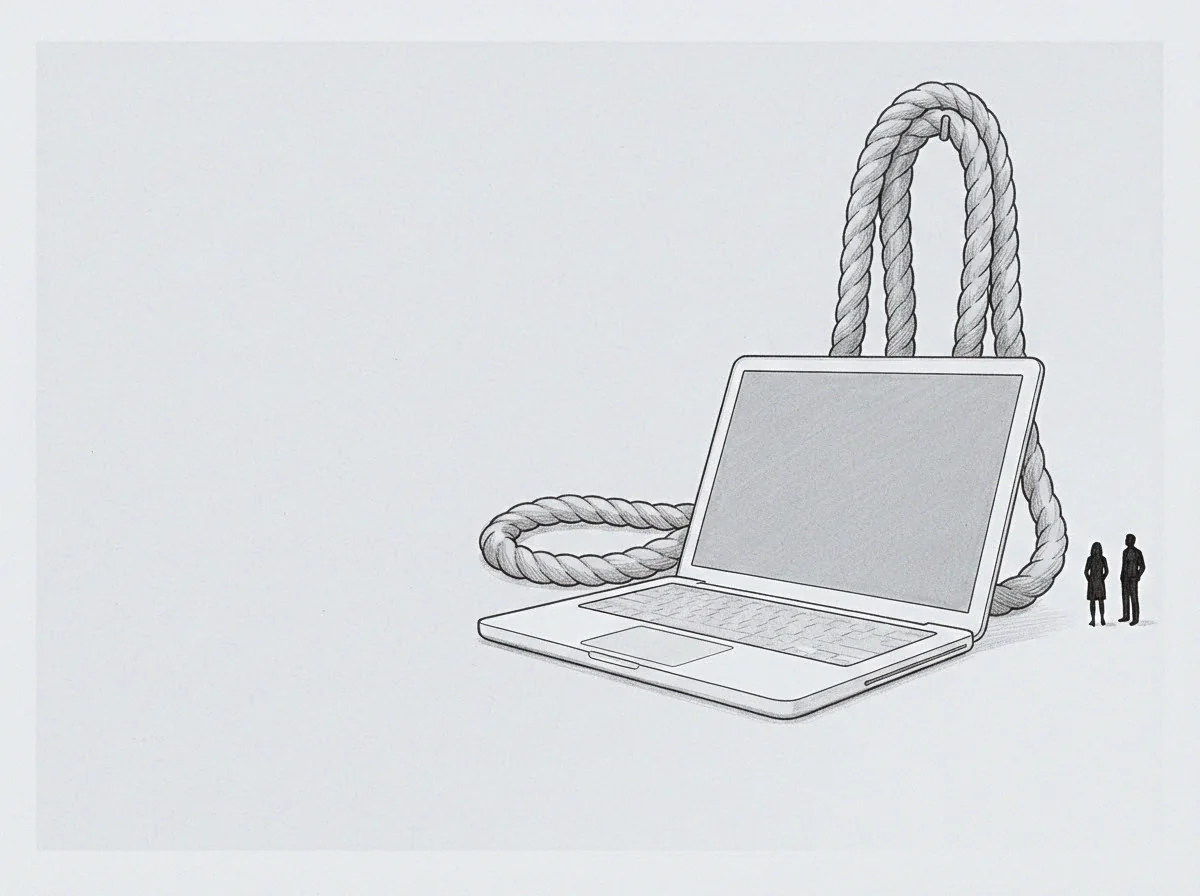
Exchange Across the Retainer Boundary
A client retains an agency or technical consultancy on a fixed recurring fee, expecting predictable velocity. The internal calendar of the provider shows forty hours committed each month. Ten of those hours vanish into asynchronous status requests, uncoordinated email chains, and redundant check-in meetings before production begins.
Communication drag represents the unpriced consumption of operational capacity by coordinative transactions required to maintain an engagement. When an account demands sixty message exchanges to approve a two-hour task, the effective yield of the contract collapses.
The billing agreement fixes the money paid per month while leaving coordinative volume unbounded. The provider prices the relationship on cardinal terms, stating a flat monetary sum. Internally, the cost registers as an ordinal vector across hours expended, attention diverted, and cognitive capacity burned.
When coordinative volume rises, production stalls. The provider absorbs the difference in quiet exhaustion.
A contract that bounds production while leaving message volume unmetered systematically destroys operational yield.
Small interruptions break continuous focus. Cognitive switching research shows that returning to deep technical work after answering an urgent inquiry consumes upwards of twenty minutes of mental reset. A retainer with four active communication streams extracts a cumulative tax that dwarfs the formal meeting calendar.
Unscheduled messages divide the working day into useless fragments. Production capacity dissolves into administrative triage.
The contract erodes because neither party measured transaction frequency during initial pricing, leaving the account vulnerable to compounding structural deficit.
Friction
Coordination Latency and Asymmetric Overhead
Every message exchanged across organizational boundaries introduces a state of suspension. A technical specialist posts a design specification, then waits fourteen hours for client review. That wait creates coordination latency, stalling downstream implementation.
The specialist cannot advance dependent tasks. The calendar expands while billed output remains stationary.
The volume of these interactions scales with the number of client stakeholders. A single point of contact limits coordination paths to a linear line. Adding three client reviewers creates a dense communication lattice.
Every participant introduces conflicting commentary, revisions, and requests for status updates. The provider spends twenty hours arbitrating internal client disagreements.

Where Does Latency Compound Across Retainer Cycles?
The friction gathers in handoffs between divergent communication tools. The client operates inside a shared team chat while the service provider works across an internal ticketing queue. Each status request generates manual synchronization labor.
The account manager copies updates between databases, transcribing status reports by hand.
- Asynchronous polling creates continuous micro-interruptions that prevent uninterrupted execution on complex deliverable milestones.
- Consensus fragmentation scatters decision authority across multiple unaligned internal client departments, tripling clarification exchanges.
- Channel sprawl disperses project context across chat threads, video calls, and ticket comments without durable documentation.
Coordinative friction compounds directly with the number of unaligned client stakeholders participating in delivery review.
Unsynchronized tooling forces duplicate work. The operational team answers queries in chat that were documented in tickets the previous afternoon. This overhead remains invisible on client invoices.
The provider records normal retainer billing while delivering half the anticipated production volume.
The client perceives this delay as operational incompetence, wondering why an agreed monthly retainer produces so few finished assets.

Channel

Structural Topologies of Account Contact
Communication architectures determine how severely coordinative weight bears down on operational teams. Direct specialist access exposes technical producers to immediate, unfiltered client inquiries. This topology reduces message relay time, yet it completely dismantles focused production windows.
Structured gateway routing places an account lead between the client and technical execution, isolating builders from interruptive pings.
A strict gateway structure concentrates overhead on project managers. The account manager absorbs twenty hours of weekly status reporting, protecting production staff from administrative noise. The operational team works uninterrupted.
The financial burden shifts to non-billable management headcount.
| Communication Topology | Interrupt Frequency | Context Decay Rate | Administrative Burden | Effective Yield |
|---|---|---|---|---|
| Direct Specialist Access | High | Moderate | Low | Severely Reduced |
| Structured Account Gateway | Low | High | High | Predictable Stable |
| Shared Asynchronous Queue | Moderate | Low | Moderate | High Sustainable |
| Scheduled Synchronous Cadence | Low | Low | Moderate | Maximum Optimal |
Shared ticketing environments enforce asynchronous discipline. A client submits change requests into a backlog rather than issuing urgent private messages. Production specialists pull tasks according to prioritized capacity.
Context remains unified within the task thread. Interruptions drop to predictable daily intervals.
Unfiltered client access to technical builders trades immediate emotional reassurance for catastrophic delivery degradation.
Scheduled cadence structures eliminate speculative check-in exchanges. Setting an immutable weekly thirty-minute synthesis meeting removes the pretext for casual mid-week inquiries. The client learns that questions accumulate until the designated session.
Coordinative overhead shrinks to an operational minimum.
Fewer communication touchpoints preserve creative velocity across extended delivery commitments.
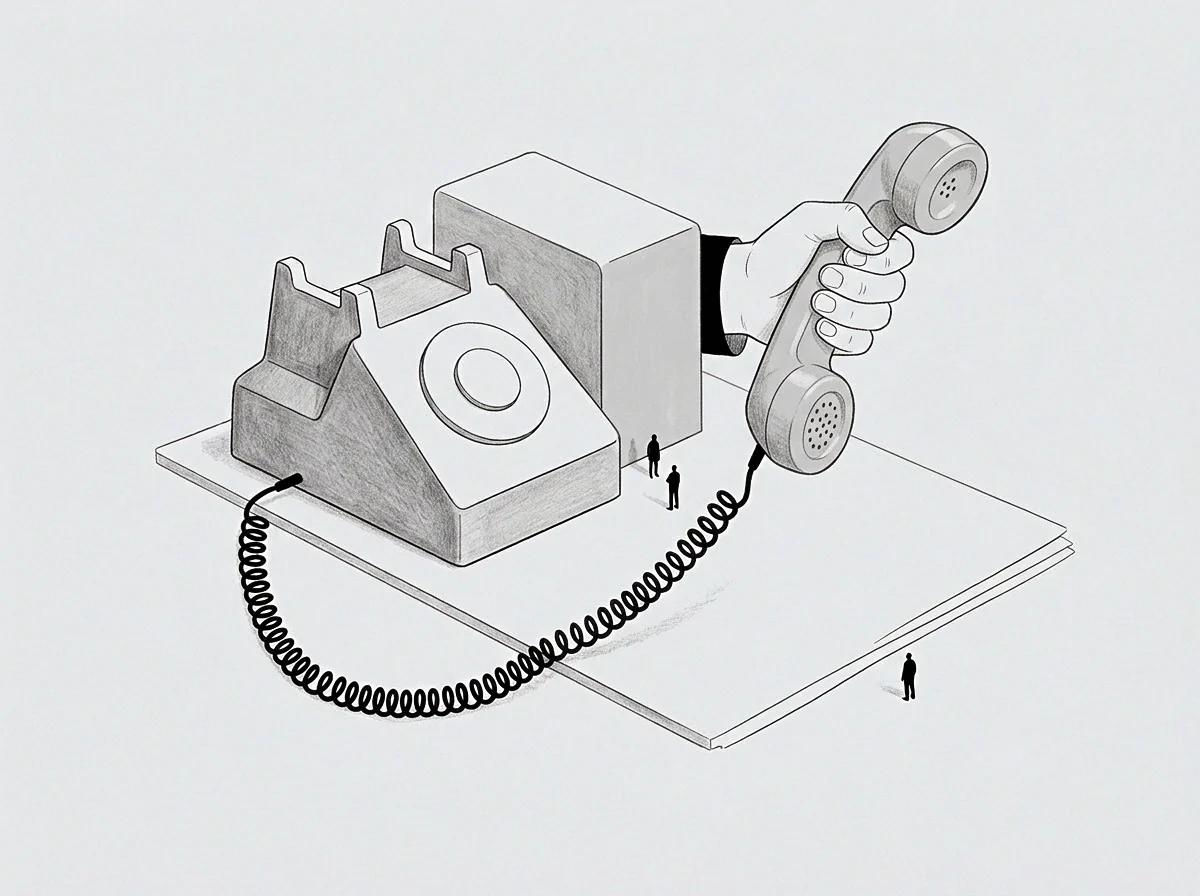
Margin
Decomposing the Retainer Cost Vector
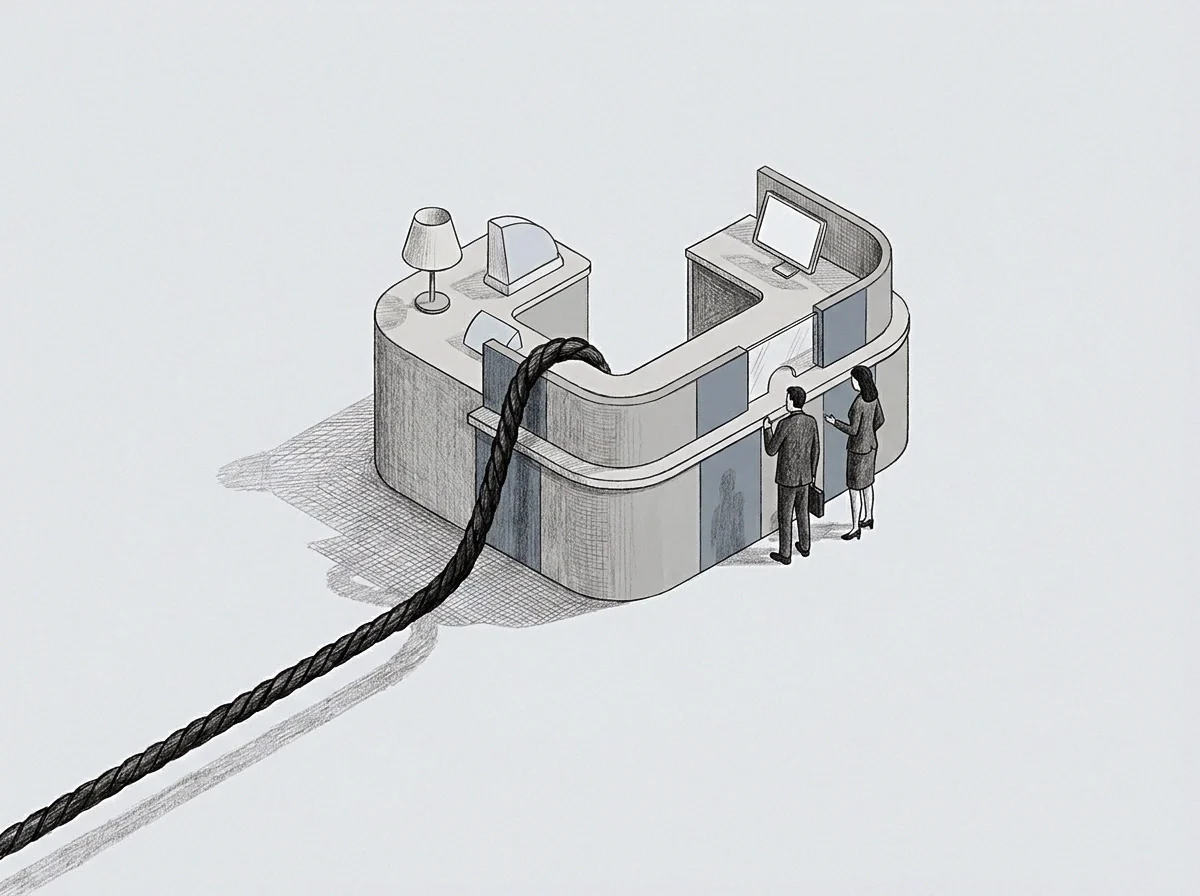
Monetary accounting obscures operational strain by measuring only dollars collected against gross labor hours. A project yielding forty percent gross margin on paper can simultaneously deplete an agency of senior talent. Vector decomposition evaluates an engagement across multiple distinct dimensions: capital earned, hours expended, capacity consumed, and organizational attention drained.
A contract that looks profitable on cash metrics often consumes catastrophic shares of cognitive focus.
A ten-thousand-dollar monthly retainer may demand twenty hours of technical execution alongside twenty-five hours of client communication. The cardinal price received remains ten thousand dollars. The ordinal cost, measured by executive distraction and team frustration, ranks among the highest in the company portfolio.
The firm subsidizes low-yield client handholding with surplus value extracted from healthy, self-directed accounts.
Opportunity loss silently accumulates. The senior architect spends four hours drafting defensive email summaries instead of building proprietary software tools. The business forfeits internal development to placate anxious account contacts.
This diverted capacity degrades the long-term enterprise value of the firm.
A contractual governance clause limiting monthly asynchronous inquiries to designated issue batches restores economic balance to unmetered service retainers.
Ceiling

Establishing Structural Retainer Thresholds
Defensive governance protects production capacity by codifying interaction rules within service agreements. The contract specifies authorized communication channels, response windows, and review cadences. Defining a twenty-four-hour response standard prevents instantaneous chat expectations from dominating daily schedules.
The firm establishes an operational perimeter.
Meters applied to coordinative transactions alter client behavior. The provider logs communication time against the total retainer allowance. When a client consumes fifteen hours in status meetings, the system automatically deducts those hours from production capacity.
The client confronts the trade between conversation and tangible output.
Matering coordination against monthly production allowances forces clients to experience the operational cost of administrative churn.
Formal service thresholds convert implicit friction into visible data. The account review reveals forty percent of retainer spend dedicated to briefing revisions and status alignment. Faced with empirical records, executive sponsors frequently rein in junior managers who generate unnecessary message traffic.
The engagement stabilizes around structured milestones.
Whether enterprise clients will perpetually accept strict transaction meters without demanding price concessions on overall retainers remains open for longitudinal examination.