Meaning
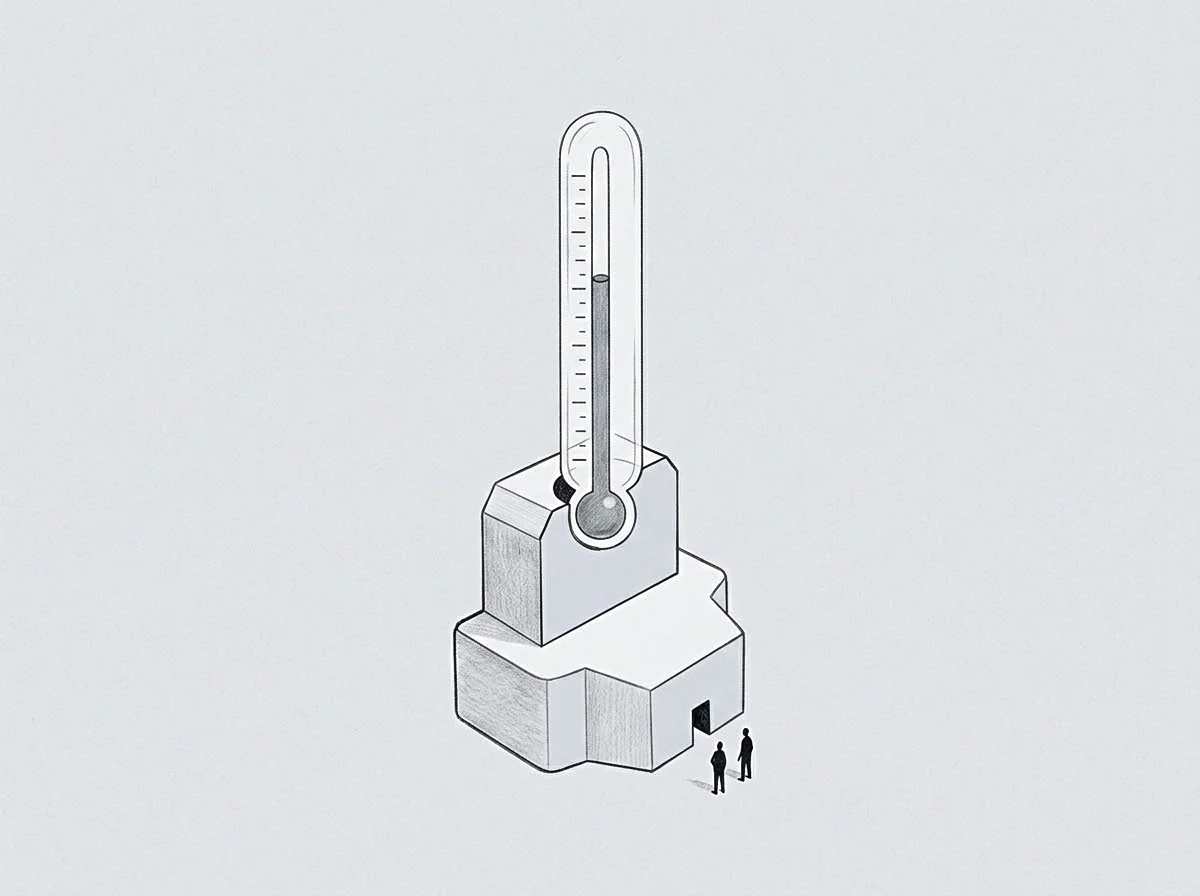
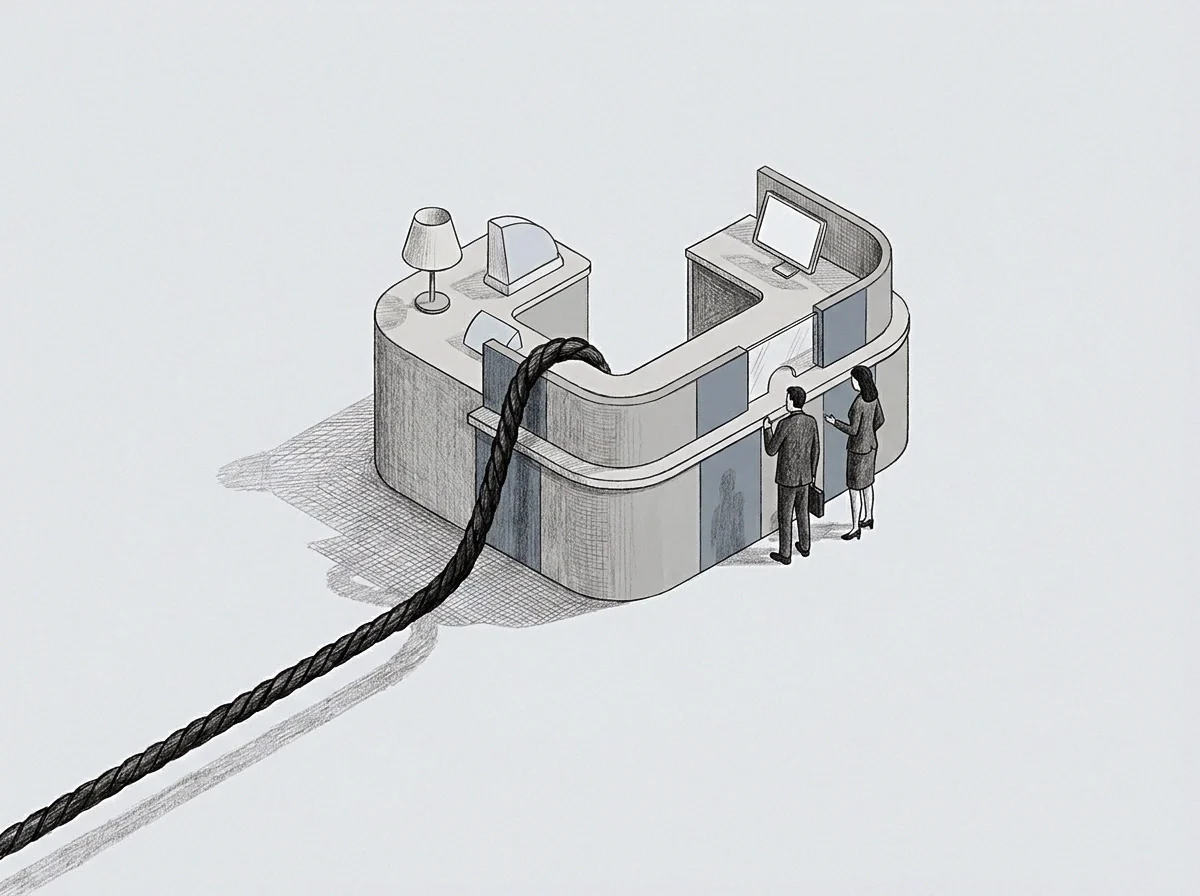
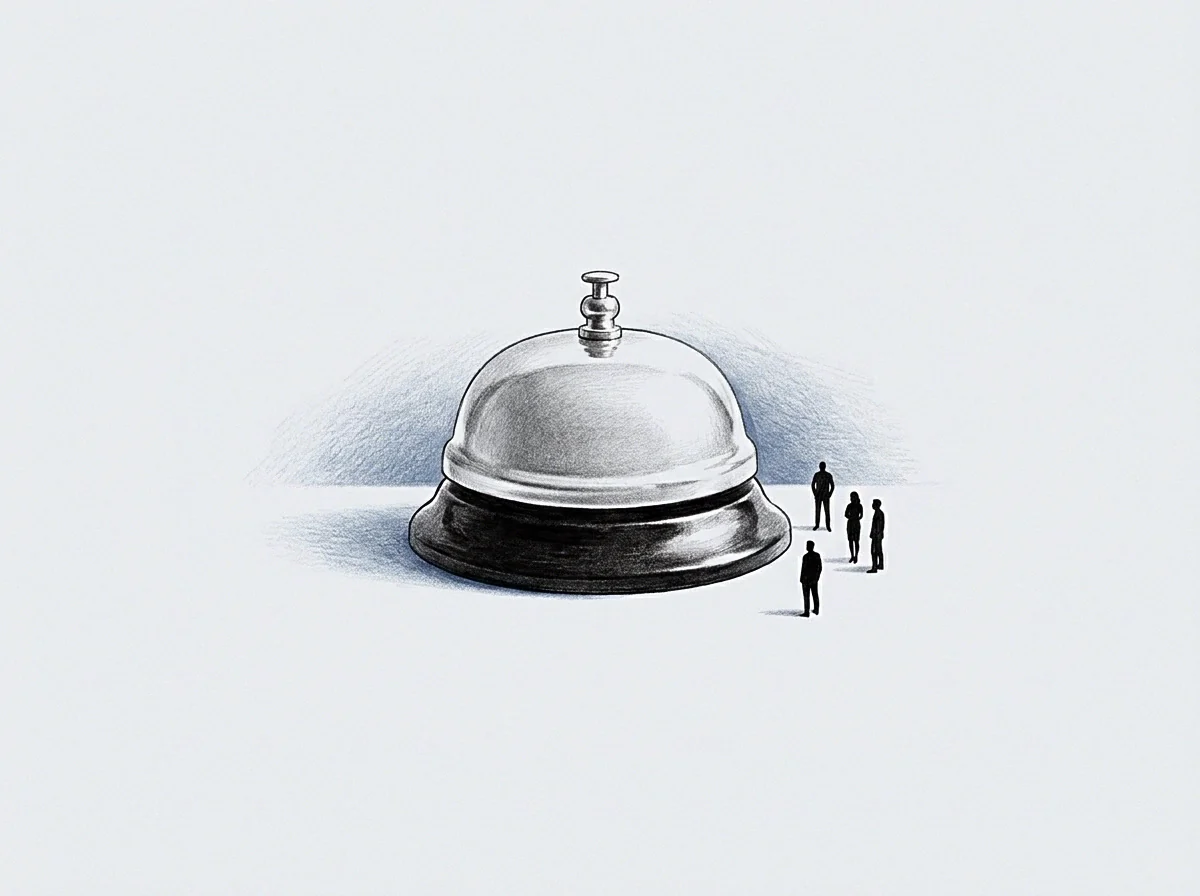
Capacity consumption functions as the measurement of realized load against a defined upper limit of organizational or mechanical output. This capacity consumption tracks how much of an available supply gets depleted by active tasks during a specific interval. It defines the boundary where total demand exceeds the sustainable throughput of a system, demarcating the transition from efficiency to saturation.
Resource Gradient
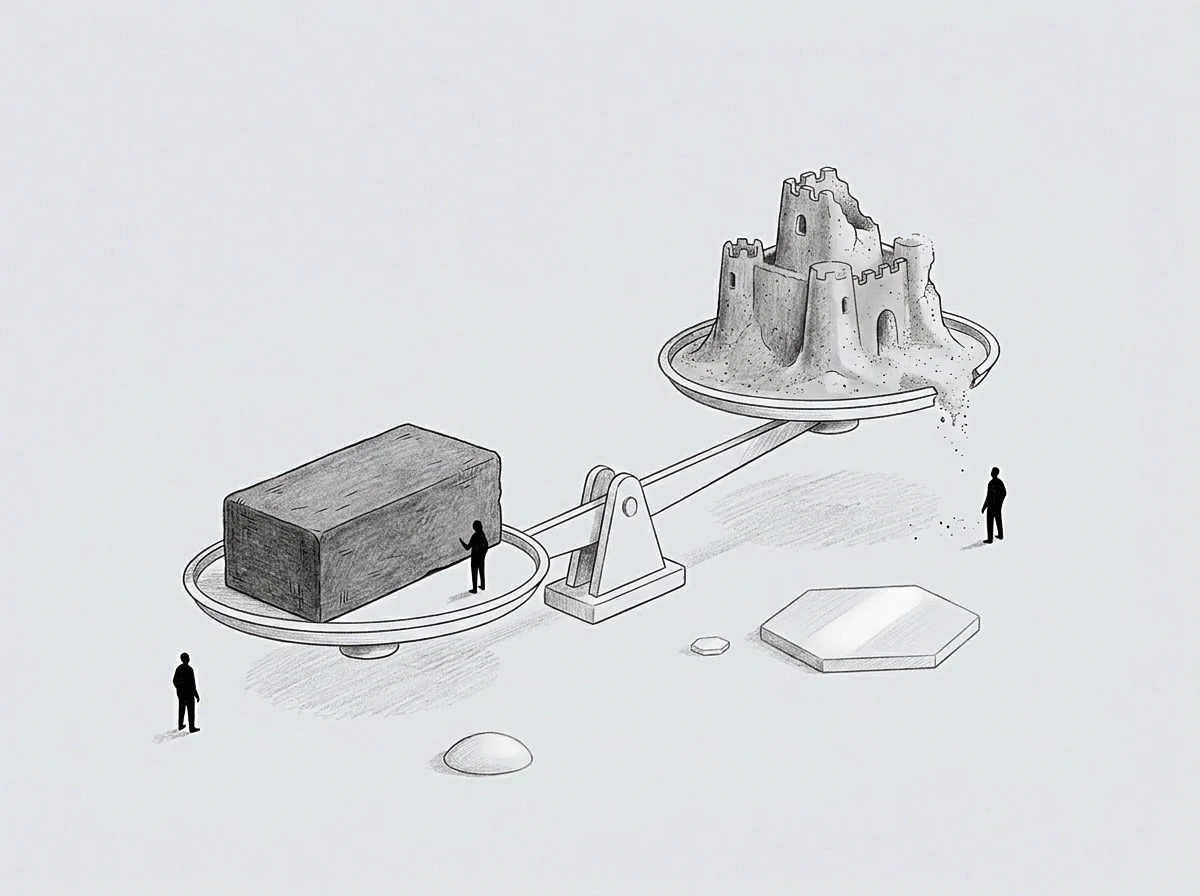
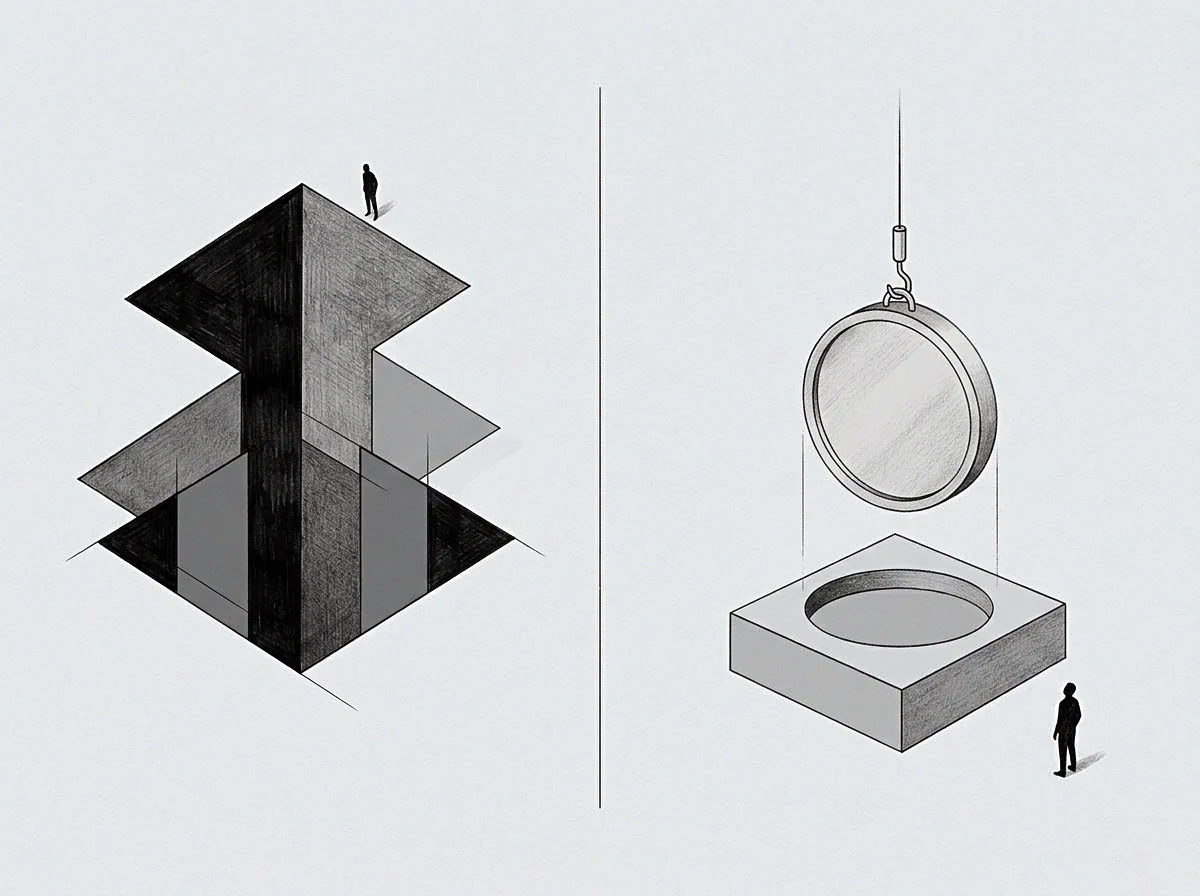
Data regarding this metric reside on a cardinal scale that captures the precise volume of utilized input. Analysts observe how capacity consumption shifts when additional projects enter the operational pipeline, recording the delta between current demand and the absolute maximum. Precise observation allows for the separation of fixed overhead from variable depletion.
Systemic Feedback
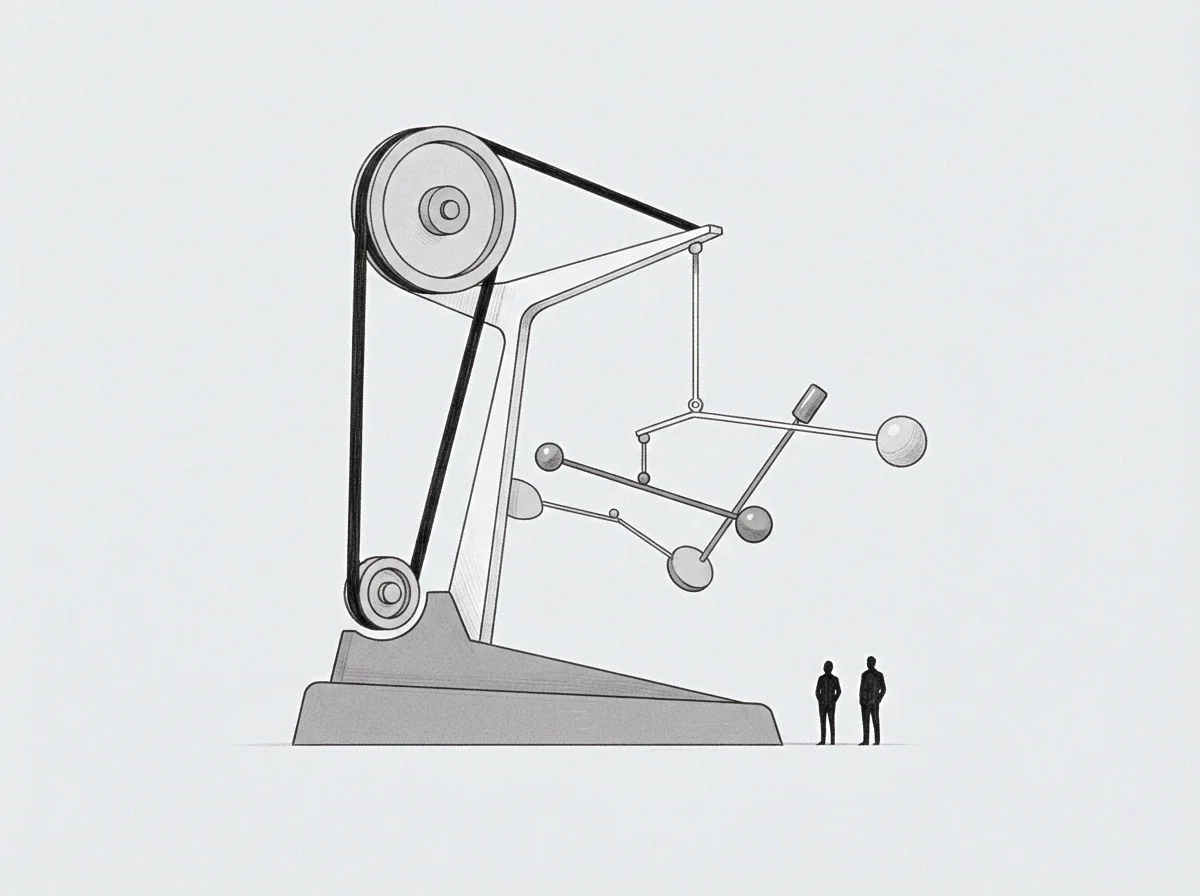
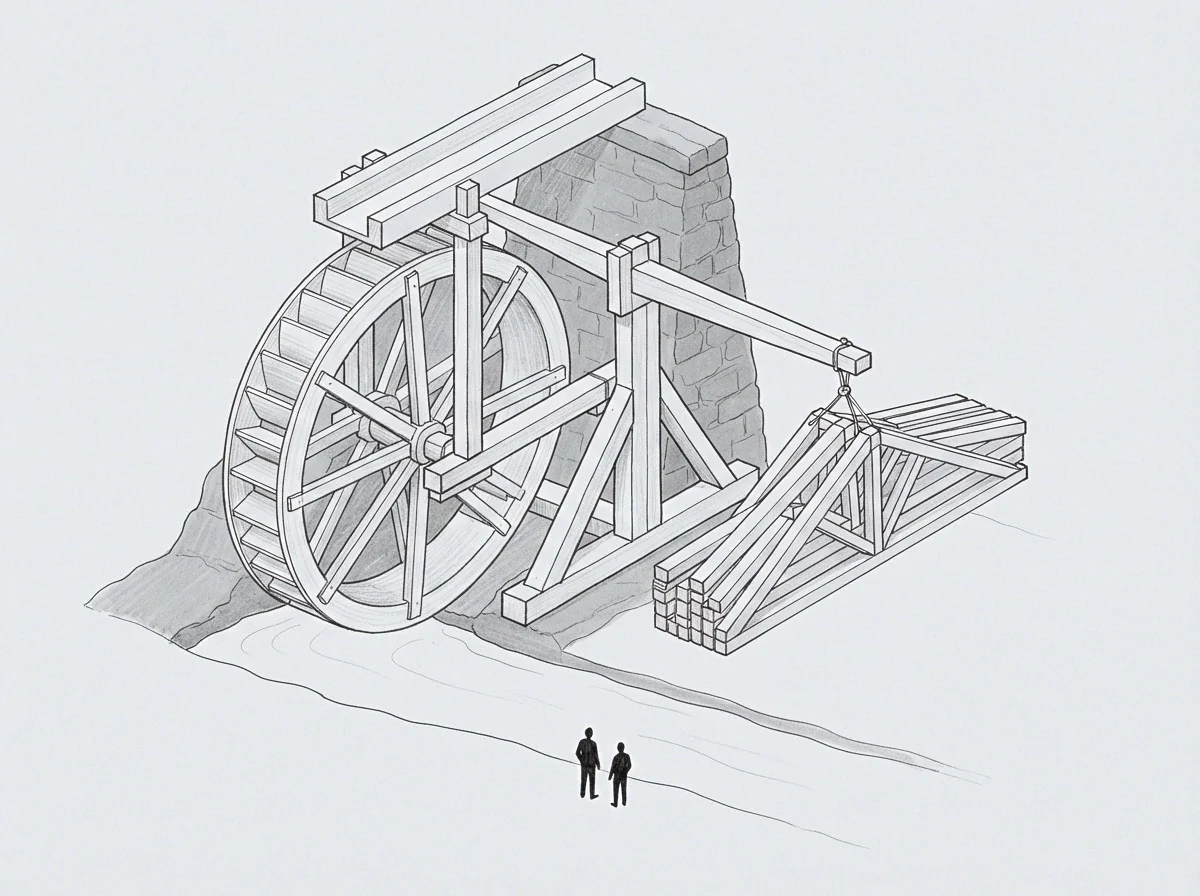
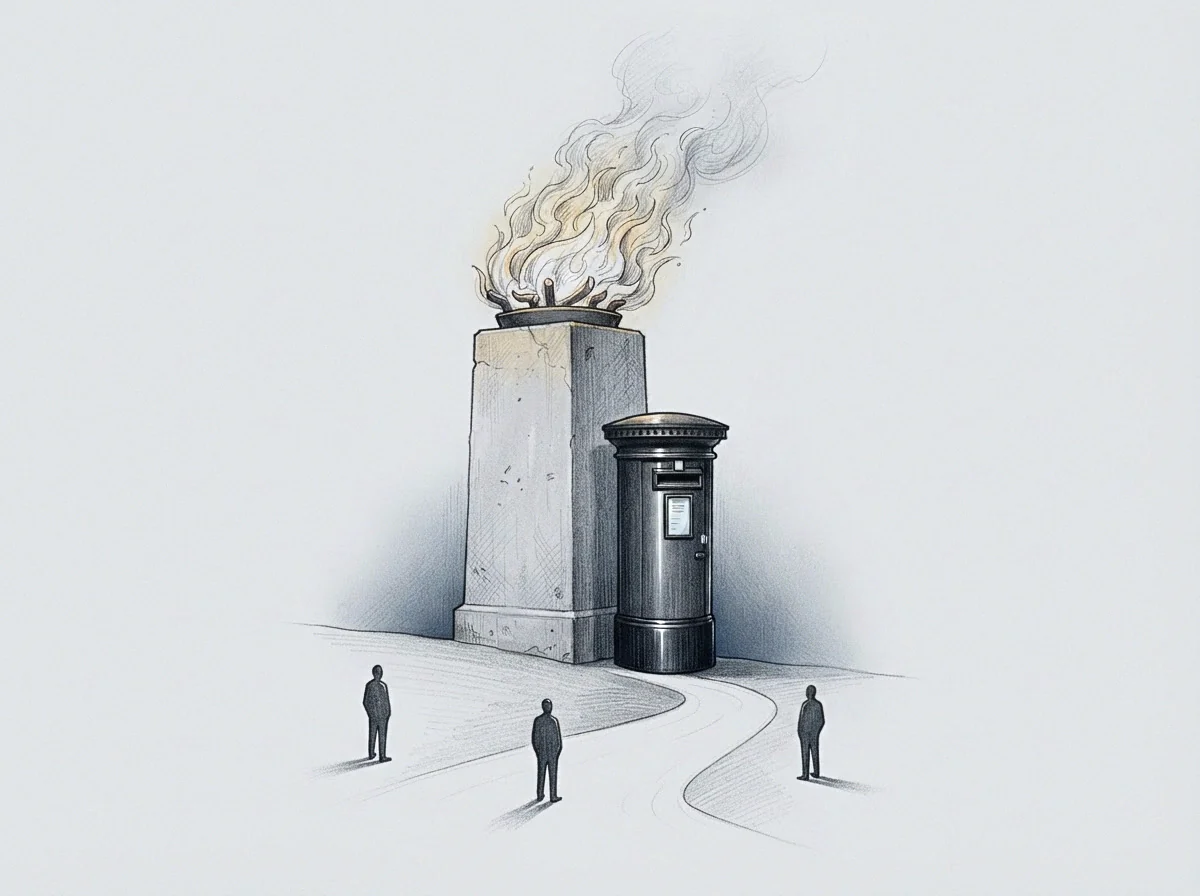
Feedback from these measurements creates a signal for adjusting future work intake. Variations in the intensity of capacity consumption indicate whether a system operates near its ceiling or maintains an adequate buffer for unforeseen requirements. Consistent monitoring prevents the accumulation of bottlenecks that restrict agility.
Operational Boundary
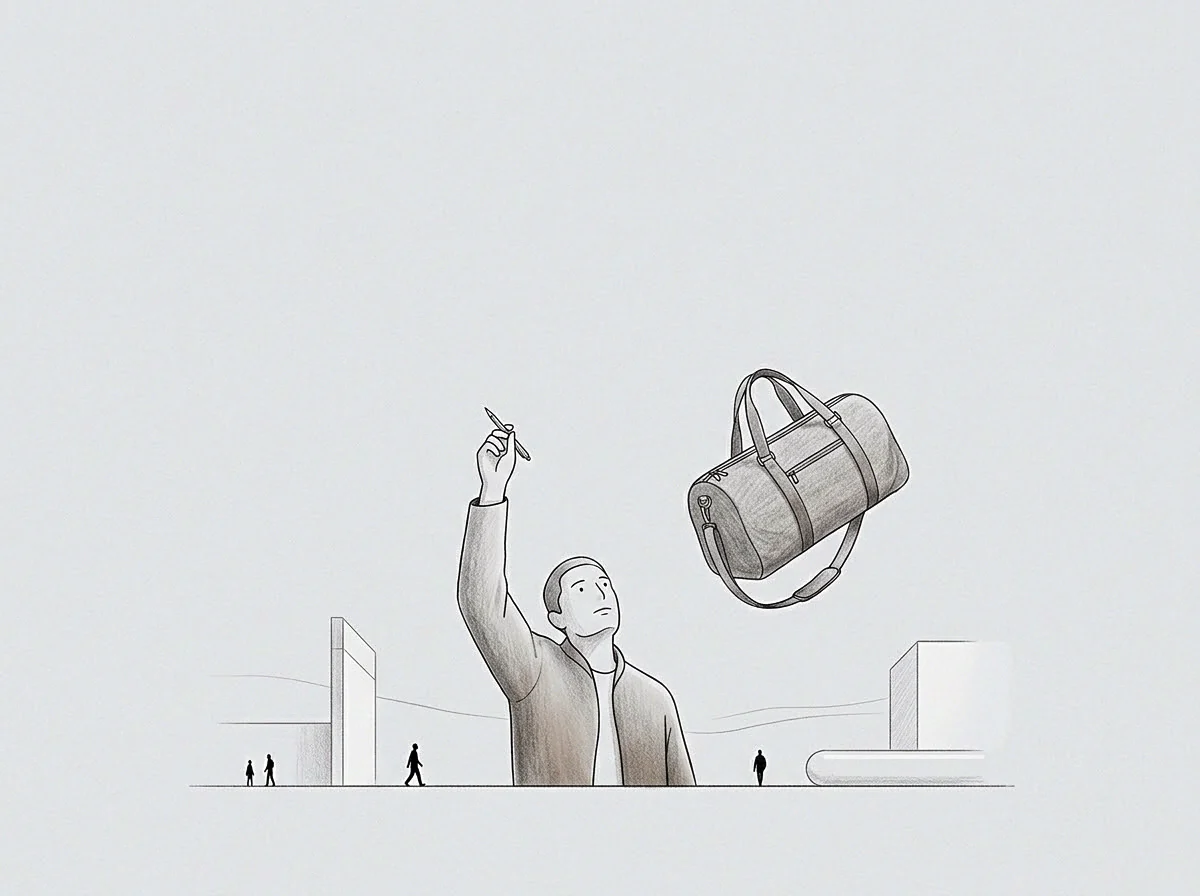
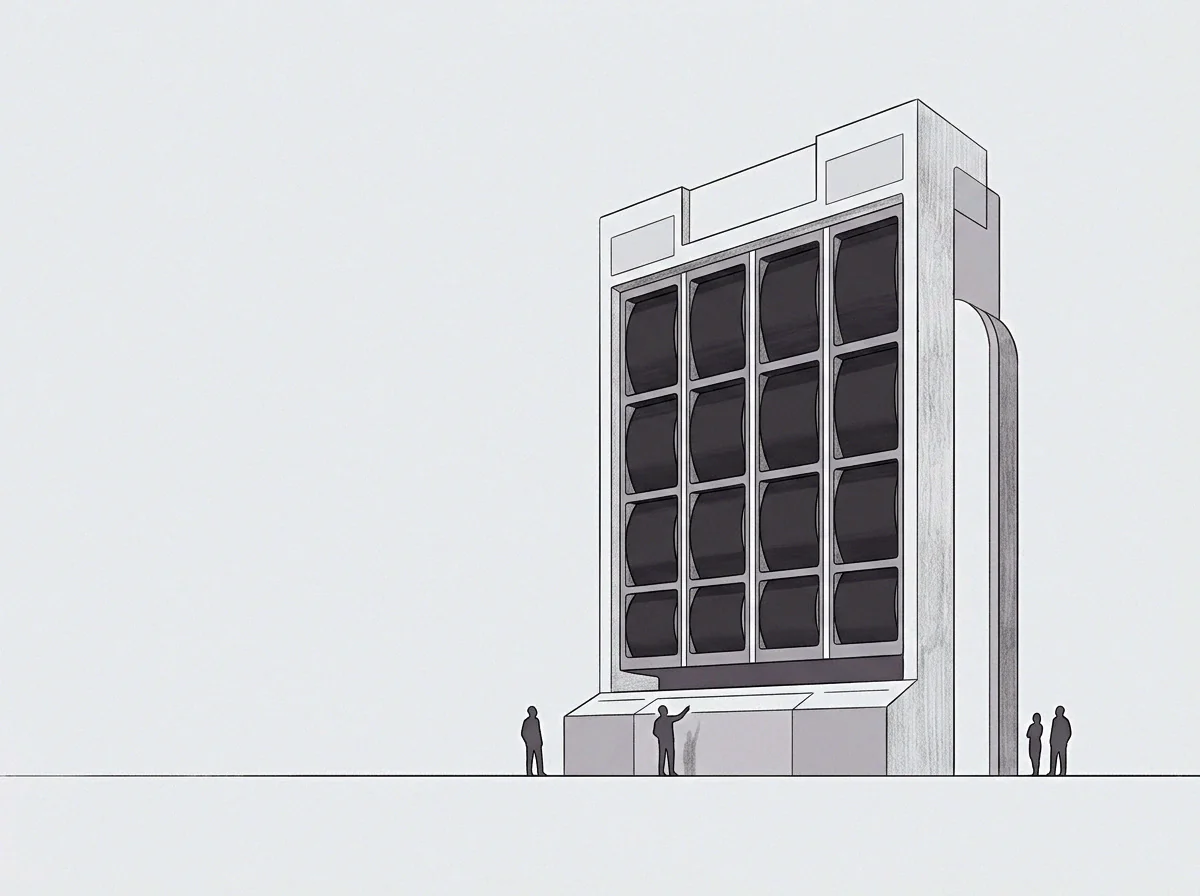
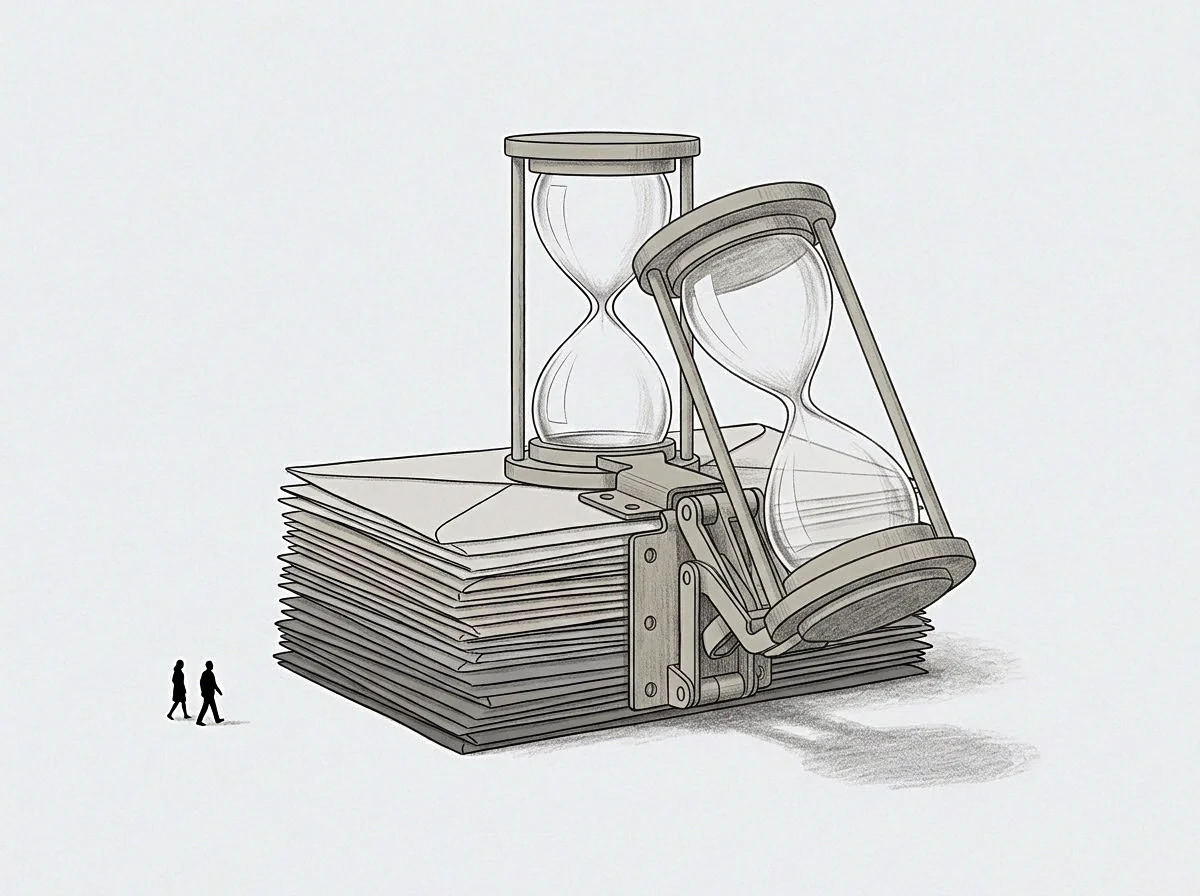
Decisions regarding organizational growth depend on the relationship between sustained output and the capacity consumption ceiling. Managers observe the rate at which human or technical limits get approached to determine if existing architecture supports further scaling. This measurement dictates the physical or structural ceiling beyond which performance inevitably degrades.