
Resolving Unbounded Context Persistence in High Stakes Strategic Advisory Agreements
Unbounded context persistence is resolved by contractually amortizing strategic memory, enforcing episodic wipes, and pricing background context custody.

Drift
Advisory agreements split along a quiet fault line between episodic consultation and context custody. In standard advisory engagements, the client purchases analytical evaluation applied to bounded decisions. Over extended enterprise lifecycles, high stakes advisory relationships slip into unmetered context custody, wherein the advisor holds living institutional memory, latent executive intent, and uncodified operational dependencies.
The invoice records only time.
Context custody demands continuous subconscious synthesis. The advisor tracks executive politics, capital structure shifts, and operational trade-offs across quarters. This background retention consumes cognitive bandwidth on an ordinal scale, yet the counterparty prices the arrangement cardinally through flat monthly retainers or sporadic hourly billing.
Because the client treats this persistent context as a zero-cost ambient asset, the demand for impromptu consultations increases while the commercial structure remains static.

Counsel and Custody Separated
Strategic counsel examines an isolated transaction, governance dispute, or structural realignment at a fixed moment. Context custody obligates the advisor to maintain an evergreen internal model of the client organization. When an executive calls to discuss an equity split or an impending divestiture, the advisor draws on two years of accumulated confidential disclosures, personnel assessments, and private board room deliberations.
The advisor acts as an uncredited repository of corporate statehood.
When an agreement fails to define contextual custody limits, the advisor bears perpetual ambient cognitive debt under episodic compensation terms.
This retention creates severe opportunity costs that resist simple summation. An advisor carrying deep context regarding a firm’s hostile restructuring cannot accept parallel advisory mandates within adjacent markets due to information overlap and potential conflicts. The advisor forfeits external revenue opportunities to preserve internal alignment with a client who pays only for active call hours.
Attention is an ordinal resource allocated across competing concerns. Every retained detail blocks attention.

Asymmetric Accumulation in Retainer Architecture
Standard retainer agreements assume symmetrical value exchange over fixed billing intervals. In practice, strategic context accumulates asymmetrically, compounding in the advisor’s working memory while dissipating inside the client organization due to executive turnover. The advisor becomes the sole custodian of the rationale behind historical corporate restructuring, board compromises, and equity distributions.
Memory creates an unscheduled burden.
Because the formal engagement lacks a contextual deprecation schedule, the client relies on the advisor as an external hard drive for strategic decisions. This dynamic produces structural friction. The client expects instant, context-rich assessments without re-briefing overhead, treating historical continuity as an inherent property of the retainer.
The advisor experiences the ongoing maintenance of this institutional memory as an uncompensated operational drain. Tacit holdings restrict new contracts.
When parties leave context persistence unbounded, the advisory firm absorbs cascading exposure to operational disputes, unpriced liabilities, and cognitive exhaustion that outlasts the formal commercial term.

Decay
Information held inside strategic advisory relationships undergoes natural obsolescence while retaining high liability exposure. Strategic context does not retain operational accuracy indefinitely. Executive teams change, market realities shift, and internal political coalitions dissolve, rendering retained background assumptions obsolete.
Unmanaged context turns toxic as the advisor continues evaluating contemporary problems through historical assumptions that no longer correspond to internal firm conditions.
The client continues assuming the advisor possesses perfect real-time awareness. When the advisor renders guidance predicated on twelve-month-old organizational dynamics, the counsel mismatches current operational realities. The cost lands squarely on advisor credibility.
Silence carries an unstated expense.

Comparative Structural Properties of Context Protocols
The operational and legal characteristics of strategic advisory engagements depend entirely on how context duration is structured in the governing agreement.
| Engagement Model | Context Persistence Mode | Attention Drag | Liability Duration | Exit Friction |
|---|---|---|---|---|
| Transactional Mandate | Episodic wipe at closing | Minimal ordinal drain | Confined to project scope | Immediate release |
| Unmetered Retainer | Perpetual unmanaged retention | Severe ambient drain | Indefinite tail risk | Elevated switching cost |
| Bounded Episodic Cadence | Scheduled contextual amortization | Governed active periods | Explicit sunset boundary | Contractual severance |
The transactional model achieves clean operational termination but forfeits strategic continuity. The unmetered retainer guarantees continuity at the expense of perpetual cognitive drag and unhedged liability. The bounded episodic cadence balances these forces by inserting programmatic intervals of contextual decay, wiping operational assumptions while preserving historical governance baselines.
Context outlives the formal mandate.

When Strategic Memory Converts to Unfunded Liability?
Tacit context retention exposes the strategic advisor to severe legal and reputational vulnerabilities. Consider an advisor who participates in confidential conversations concerning an impending acquisition, an executive termination, and intellectual property disputes over three years. If litigation arises between shareholders and management, the advisor’s unbounded historical context makes them a target for deposition and evidentiary discovery.
The retainer conceals cognitive drag.
A stated term limiting advisory context life protects the practitioner from uncompensated legal discovery tails.
Take an advisor who bills five thousand dollars per month on an evergreen strategic retainer. The client experiences a bitter founder dispute involving accusations of fiduciary breach. Because the advisor maintained continuous, informal context across multiple backchannel channels, plaintiff counsel subpoenas the advisor’s records, text messages, and working notes spanning forty-eight months.
The cardinal legal fees and unpriced distraction required to respond to subpoenas rapidly eclipse three years of accumulated retainer income. The invoice records time, but the legal exposure tracks the total volume of accumulated context.
Does the strategic value of long-term advisory continuity ever genuinely compensate for the unpriced legal discovery and conflict exposure generated by persistent operational memory?

Room
Physical environments dictate how information is transferred, processed, and sealed. High stakes strategic counsel historically occurred within closed boardrooms where physical presence enforced temporal boundaries. Discussions concluded when participants departed the physical space.
Modern advisory practices replace the physical boardroom with asynchronous messaging channels, shared documentation platforms, and perpetual digital accessibility. Old briefings remain active assets.
This perpetual digital presence dismantles the traditional boundaries of strategic consultation. The advisor is no longer invited to evaluate a discrete dilemma. Instead, the advisor is added to shared document workspaces, observer channels, and executive group chats where operational context flows without pause.
The advisor becomes an involuntary nodes in the client’s day-to-day administrative machinery.

Deliberation Inside the Operational Perimeter
Direct exposure to operational minutiae degrades advisory objectivity. When an advisor observes daily corporate friction, strategic detachment evaporates. The advisor begins responding to interpersonal grievances, mid-level execution setbacks, and tactical emergencies that belong to executive management.
The advisory role degenerates into shadow management without operational authority.
To preserve strategic utility, the advisory agreement must construct a deliberate buffer around the advisor. Strategic counsel thrives on elevation and distance. When an advisor remains trapped inside the operational perimeter, cognitive capacity is consumed by low-leverage tactical mediation.
The client purchases immediate availability.
Unpriced attention devalues strategic work while multiplying ambient operational noise.
Structured operational containment relies on rigorous procedural separations:
- Air-gapped communications channels restrict advisory interaction to dedicated formal sessions, barring the client from integrating external advisors into internal real-time messaging environments.
- Episodic briefing documentation replaces direct operational access, forcing executive leadership to synthesize tactical state before requesting advisory evaluation.
- Scheduled contextual purges mandate that working analytical models, private notes, and draft strategic artifacts face formal deletion at ninety-day intervals.

Protocols for Context Purging Between Cycles
Deliberate contextual purging preserves the advisor’s analytical clarity and prevents ambient liability accumulation. Between strategic advisory cycles, the practitioner must systematically flush short-term tactical information. This process forces the counterparty to re-establish current state conditions at the beginning of each advisory intervention, preventing reliance on decayed background data.
This discipline restores the cardinal-to-ordinal balance. If the client wants the advisor to possess granular situational awareness, the client must dedicate billable session time to context reconstruction. Context accumulates in silence.
The client who must re-brief the advisor exercises discipline regarding which facts warrant transmission, eliminating trivial operational noise from the advisory chamber.
The client would simply state that paying a substantial monthly retainer ought to buy perpetual situational memory without the inconvenience of recurring operational catch-up sessions.
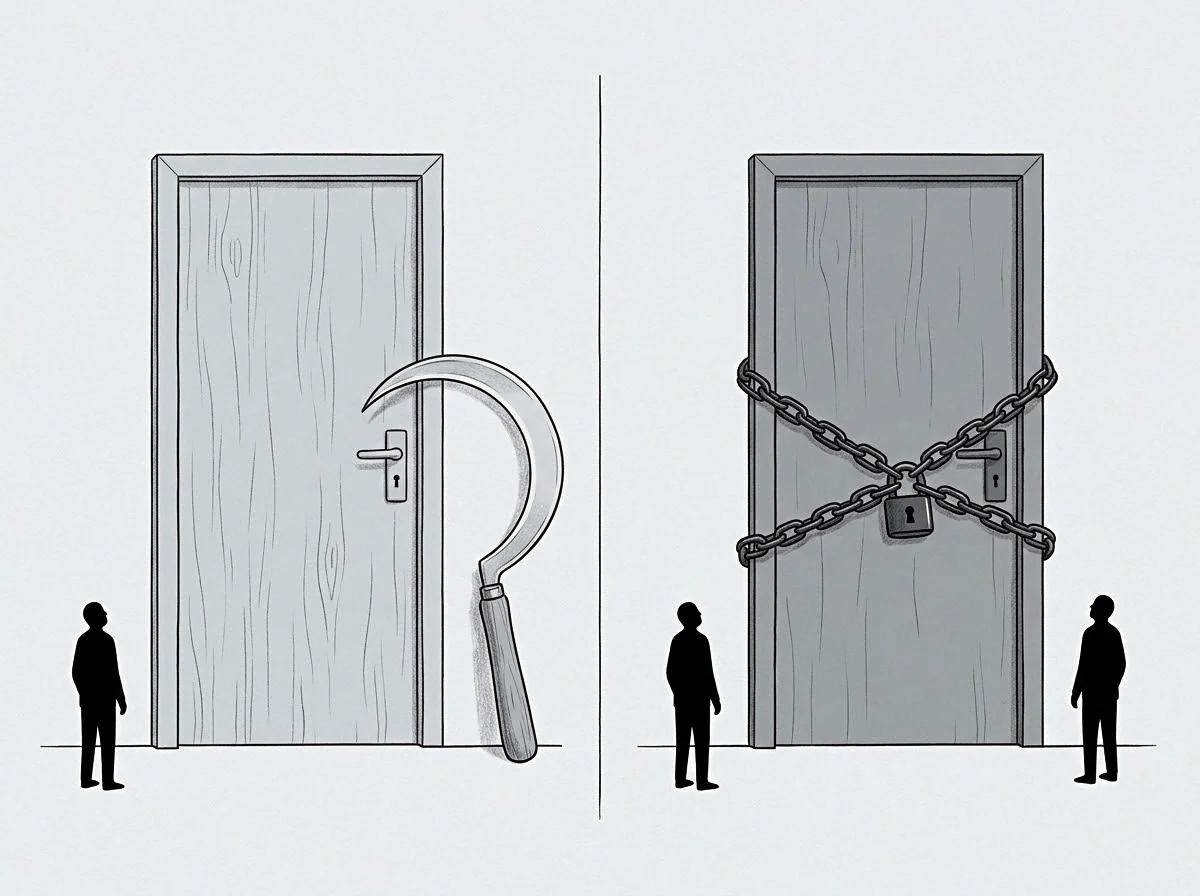
Draft
Contractual mechanics offer the only durable solution to context persistence. Relying on goodwill or verbal boundaries inevitably fails when corporate pressure escalates. Advisory contracts must treat institutional context as a hazardous operational substance that requires explicit storage, amortization, and disposal schedules.
Amortization flushes the accumulated record.
Standard master service agreements fail because they focus exclusively on intellectual property assignment and confidentiality. Confidentiality clauses govern non-disclosure to third parties; they do not restrict context accumulation or release the advisor from tacit obligations. A comprehensive advisory contract introduces distinct context governance mechanics.

Sunset Clauses for Retained Information
A context sunset clause sets an explicit contractual expiration date on the advisor’s obligation to maintain situational recall. The clause specifies that upon conclusion of a strategic project or defined calendar quarter, the advisor is formally deemed to possess zero active working knowledge of client operations. Any subsequent consultation requires formal onboarding and context initialization at agreed rates.
Contract terms govern how cognitive overhead translates into cardinal economics:
- Context amortization schedules define the mandatory timeline over which background institutional awareness is contractually dissolved, releasing the advisor from continuous evaluation expectations.
- Informational quarantine protocols prevent the client from delivering unstructured material non-public data outside scheduled deliberation sessions, shielding the advisor from inadvertent insider lockouts.
- Post-mandate deposition compensations establish predetermined cardinal hourly rates for legal testimony, document retrieval, and subpoena compliance arising from retained historical context.
- Mandatory context wipe certificates compel the destruction of secondary working papers and internal analytical notes within thirty days of advisory milestone completion.
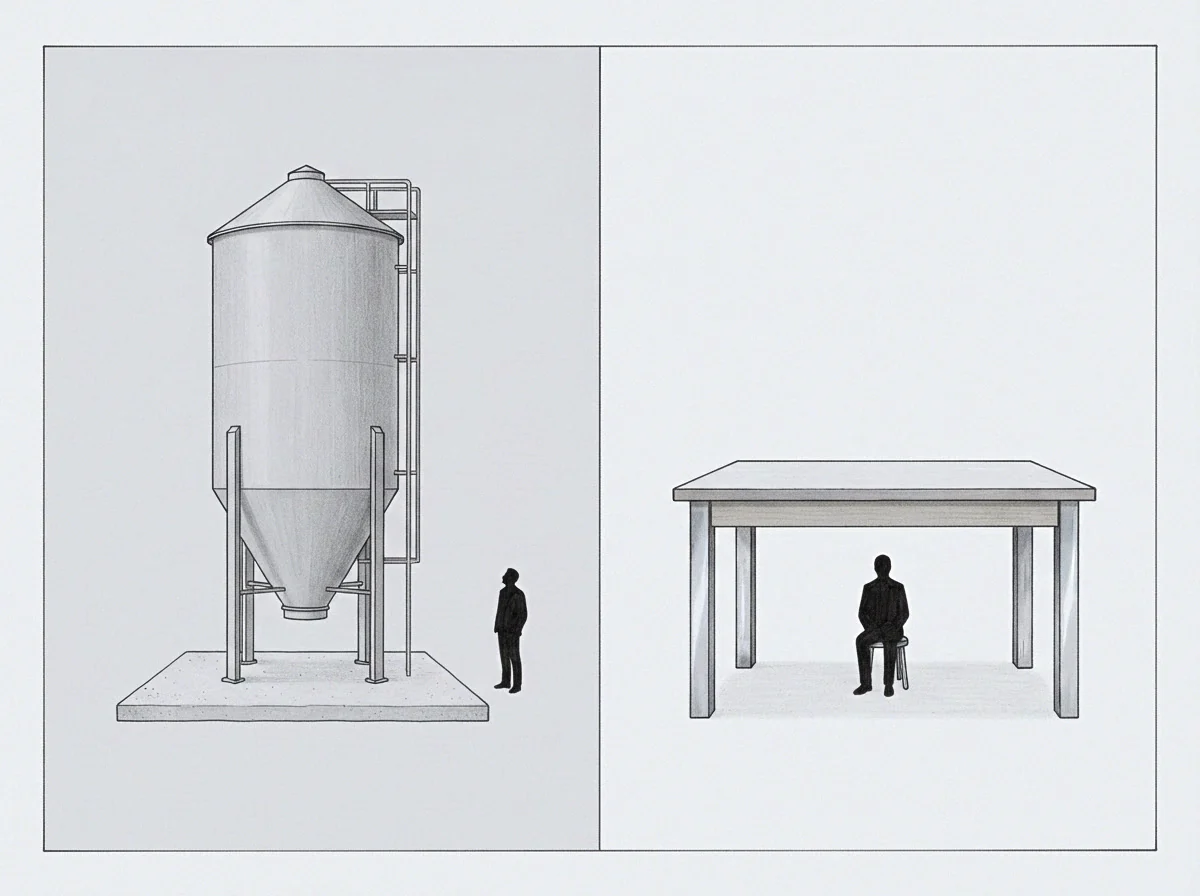
Contract Terms Governing Cognitive Amortization
Cognitive amortization recognizes that an advisor cannot maintain uncompensated institutional awareness. Agreements should incorporate an explicit context maintenance fee or, conversely, a context deprecation covenant. If the client desires continuous background readiness, the contract must establish a dedicated cardinal retainer specifically allocated to continuous context maintenance, distinct from active advisory hours.
A contract that leaves contextual boundaries unstated converts every historical conversation into an eternal operational warranty.
If the client declines to fund context retention, the context deprecation covenant takes effect. This covenant explicitly absolves the advisor from remembering previous corporate structures, unexecuted plans, or past personnel discussions. It formally shifts the burden of context maintenance entirely onto the client’s internal executive staff.
The file closes permanently.
The explicit context deprecation covenant legally extinguishes client claims of advisory negligence based on historical context divergence, establishing that unrefreshed institutional memory carries zero commercial or strategic warranty.

Severance
Clean termination protocols mark the difference between professional strategic counsel and open-ended organizational entanglement. Advisory agreements rarely end with decisive finality; they drift into dormant phases where the contract technically survives while active engagements cease. During this dormancy, the advisor remains burdened by latent conflicts, unpriced advisory check-ins, and residual corporate context.
Clean terminations release the advisor.
A complete severance protocol requires immediate operational de-provisioning, the return or certified deletion of all sensitive briefing packets, and the formal execution of a context release agreement. This release document confirms that the advisory relationship has concluded, that no ongoing fiduciary or context custody obligations exist, and that any future communication constitutes a brand new engagement subject to fresh terms and rates.

Terminal Invalidation of Advisory Exposure
Post-mandate invalidation breaks the psychological and operational dependency between executive teams and external advisors. Once severance is executed, the advisor must enforce absolute silence regarding past client internal affairs. Every impromptu telephone call, informal text inquiry, or casual request to verify historical facts must be redirected to formal corporate records.
Unpriced attention devalues strategic work.
Advisors often hesitate to enforce this boundary, fearing commercial friction. Yet failing to terminate context access invites perpetual low-grade extraction. The client continues calling for advice, leveraging accumulated context without engaging in cardinal transactions.
The advisor remains tethered to a corporate vehicle they cannot steer, bearing uncompensated psychic weight and market conflict exposure.

Reclaiming Bounded Operating Attention
Strategic advisors protect their primary asset, focused analytical capacity, by establishing rigid operational termination points. When context is formally severed, cognitive space reopens for new commercial mandates. The advisor stops monitoring client market sectors, ceases tracking executive personnel movements, and eliminates residual exposure to client operational volatility.
Resolving unbounded context persistence restores the foundational mechanics of strategic advisory. It aligns cardinal pricing with true ordinal cognitive commitments, protects practitioners from unforeseen legal entanglements, and ensures that when counsel is delivered, it arrives sharp, detached, and unburdened by decayed corporate memory.
An advisory engagement ends entirely when the advisor no longer expends ambient attention reconstructing the client’s internal world.