
Resolving Unbounded Enterprise Service Demand Under Non-Linear Team Cognitive Depletion Dynamics
Unbounded enterprise service demand triggers non-linear cognitive depletion, requiring hard intake friction and structural air gaps to preserve capacity.

Notch
Internal service queues expand until physical exhaustion halts intake. When an enterprise engineering or operations group offers internal assistance without an intake barrier, downstream business units treat that assistance as a zero-price commodity. The resulting volume runs directly into finite human attention.
Team members process initial requests during standard operational hours, then absorb subsequent requests during marginal hours. Processing speed deteriorates across successive transactions.
Each interruption forces an engineer to dump mental state, parse a novel operational context, and reconstruct working assumptions. Field observations in cognitive ergonomics show that recovery from an unprompted task disruption averages over twenty minutes before deep concentration resumes. When interruptions arrive every fifteen minutes, the working memory buffer never clears.
Residual attentional fragments from prior tasks pollute the immediate problem space.
Ambient intake channels convert deep working time into fragmentary administrative triage.
The resulting operational decay follows a steep threshold rather than a gentle decline. Early requests in a shift consume baseline metabolic reserves. Midday volume triggers compensatory cognitive exertion, where staff sustain apparent throughput by expending disproportionate nervous stamina.
Late-day tasks encounter complete depletion. Error rates multiply, diagnostic accuracy collapses, and staff miss basic operational anomalies that sober inspection would catch immediately.
A founder watching this progression often diagnoses the collapse as an execution failure. Staff receive reminders to prioritize correctly, log their tickets faster, and protect focus time. These administrative directives alter nothing because the intake channel remains frictionless.
Unpriced demand will always swamp unbounded goodwill.
The counterparty continues submitting low-leverage requests because externalizing diagnostic effort onto the service team costs the requester nothing.
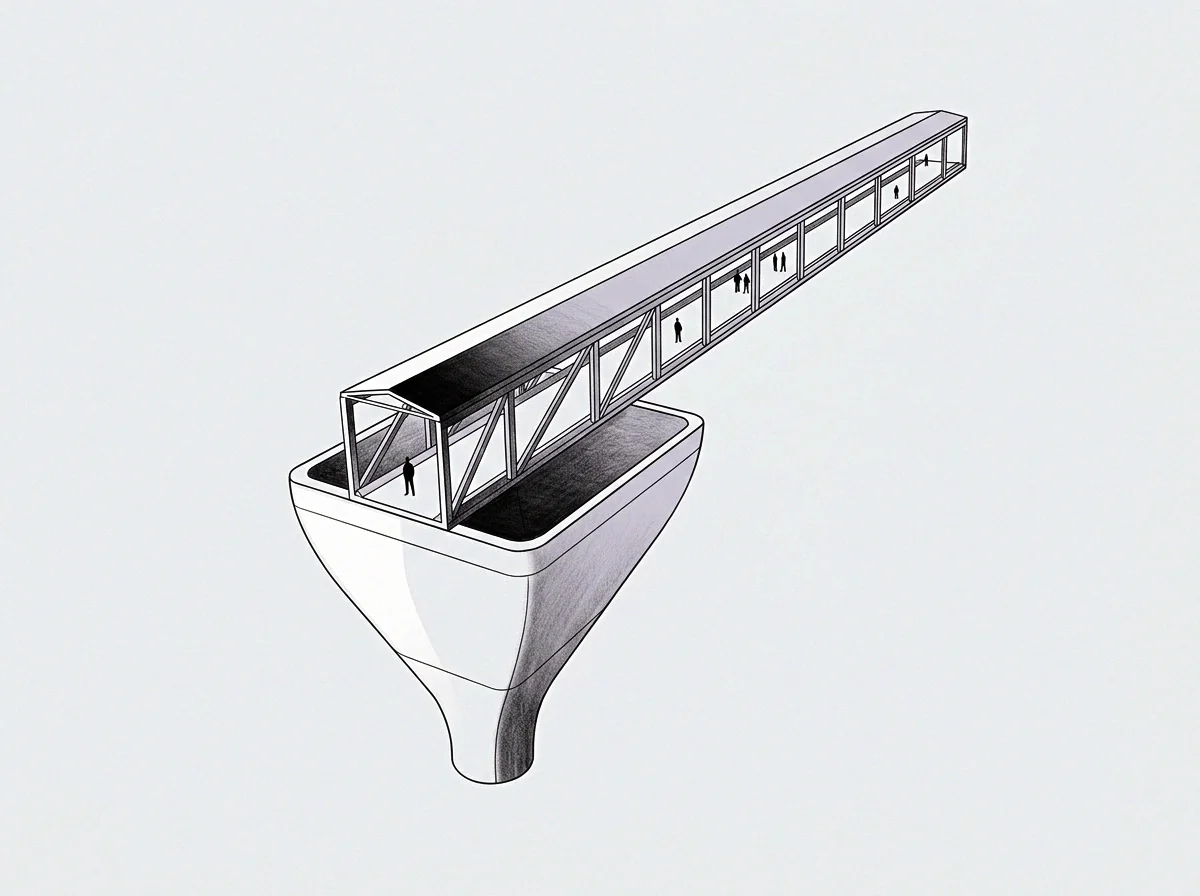
Queue
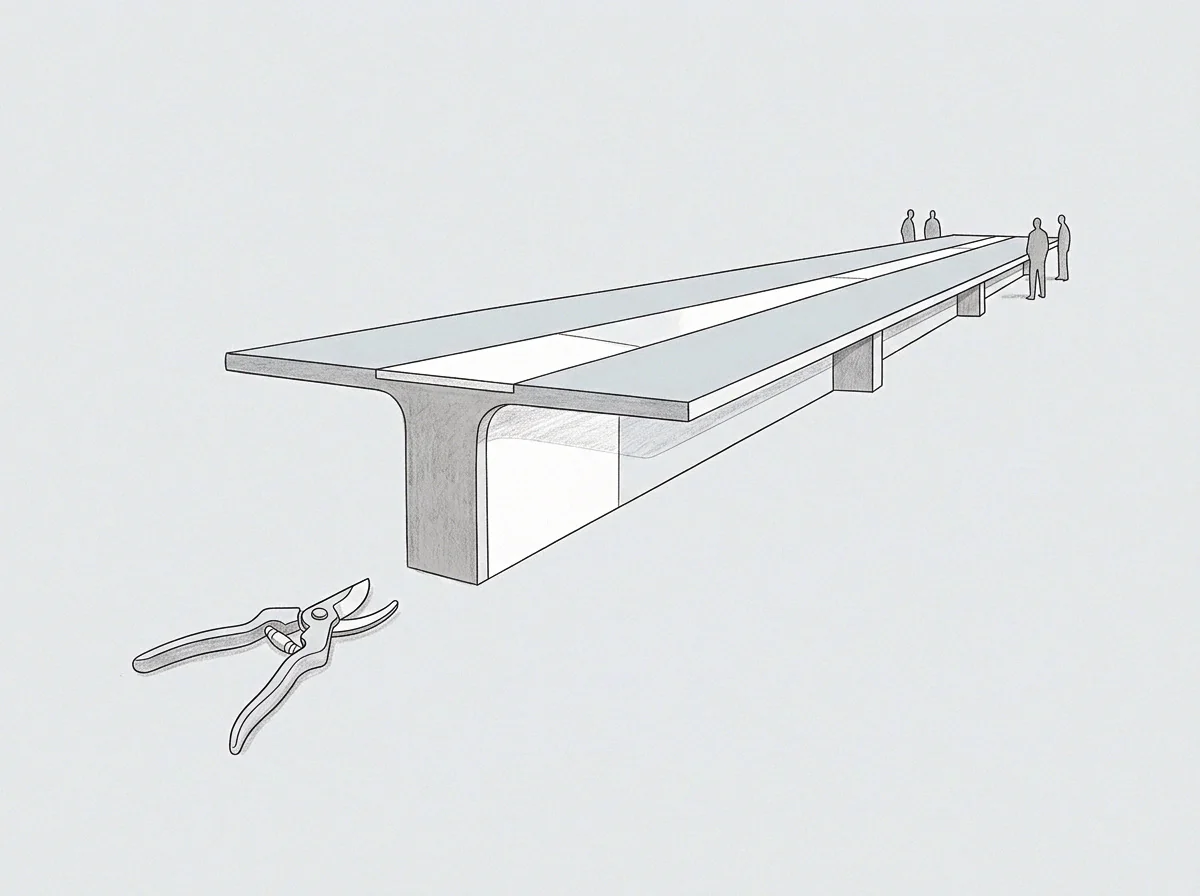
Does Cognitive Fatigue Follow Queue Arrival Rates?
Arrival patterns govern nervous depletion through the mathematics of waiting lines. An operational unit behaves like a processing node subjected to stochastic arrivals. When service utilization pushes past eighty percent, small incremental volumes trigger exponential surges in queue residency time.
Cognitive recovery demands idle pauses, which vanish entirely as utilization approaches saturation.
A team absorbing enterprise demand experiences non-linear depletion across five measurable phases:
- Linear processing proceeds while arrival velocity remains comfortably beneath baseline capacity, permitting full working memory recovery between successive operational tickets.
- Attentional fragmentation surfaces as concurrent task claims compel workers to divide active focus, degrading architectural synthesis while sustaining routine transactional pace.
- Compensatory strain manifests through elevated physiological expenditure, with staff sustaining nominal output by burning personal stamina reserves during evening hours.
- Diagnostic paralysis emerges when working memory saturation prevents systemic root cause isolation, forcing operators into superficial symptom remediation.
- Systemic withdrawal occurs when acute exhaustion forces unplanned leaves, sudden resignations, and catastrophic communication silence across operational channels.
The compounding nature of cognitive debt distorts operational estimates. An individual attempting to parse an enterprise integration while holding four half-resolved operational queries operates with compromised executive function. Decisions made under that state generate architectural bugs, misconfigured cloud infrastructure, and ambiguous documentation.
The downstream correction of these flawed outputs doubles the intake volume for the subsequent operational cycle.
A team operating at ninety percent utilization inevitably produces defects that consume the remaining operational headroom.
The resulting dynamic resembles a thermal runaway loop inside a dense battery pack. Heat generated by individual cells increases internal resistance, which in turn accelerates heat generation until structural integrity fails. Service teams trapped in unbounded queues enter this exact state when unchecked ticket volume drives exhaustion, exhaustion generates systemic defects, and systemic defects return as emergency requests.
Treating ticket volume as an ordinal priority list without hard capacity gating guarantees that secondary work items consume primary capital reserves.
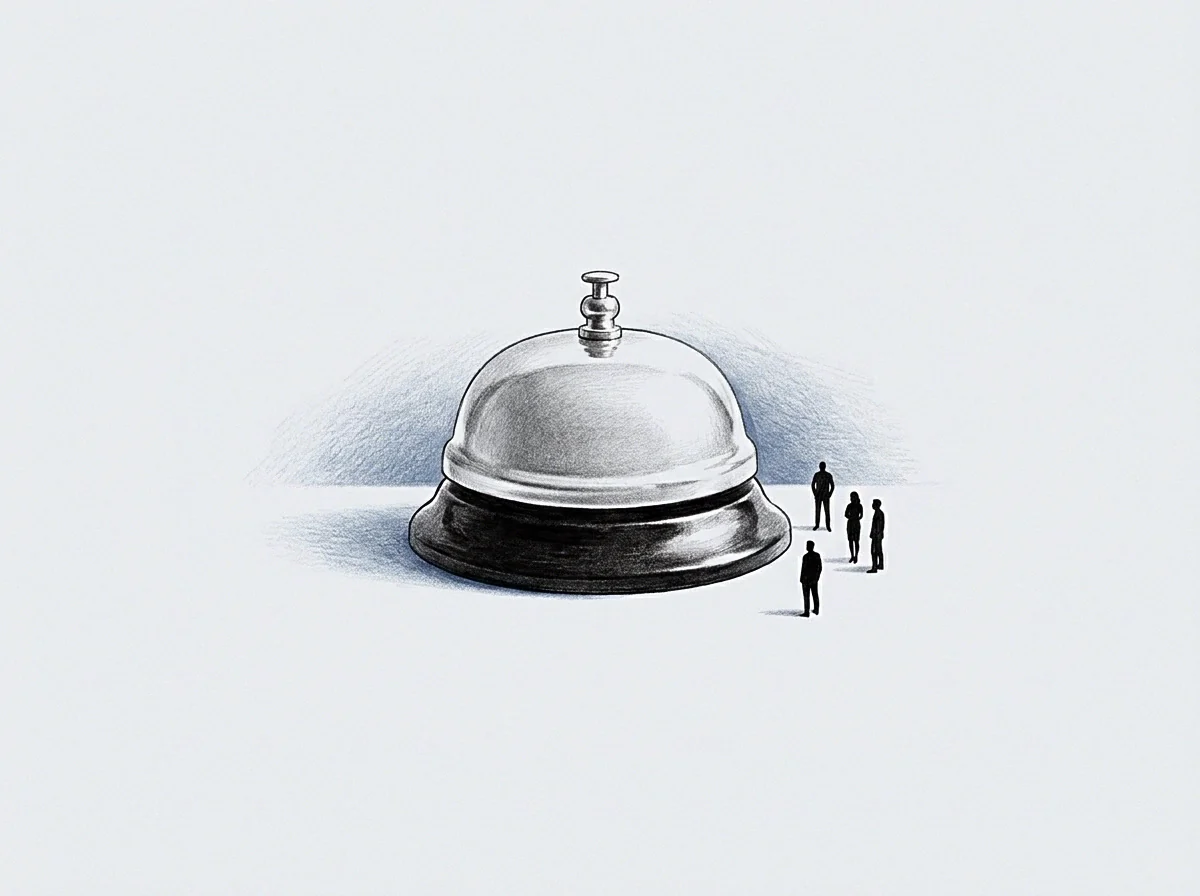
Valve
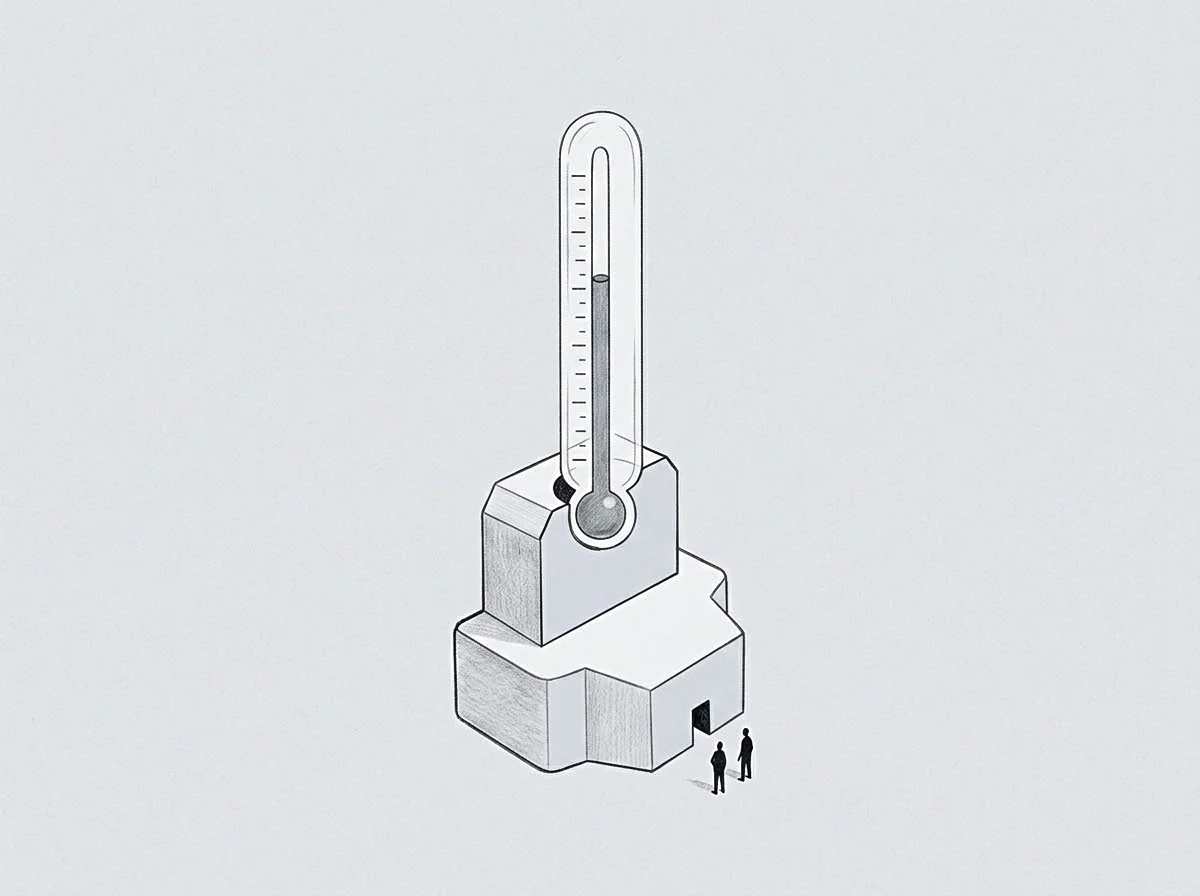
Structural Isolation and Request Metering
Resolving boundless demand requires an engineered choke point between requesters and operators. Without an explicit intake membrane, organizational pressure forces the service team to operate as an undifferentiated utility. Introducing friction reorganizes requester incentives, forcing external departments to triage their own internal dependencies before seeking central intervention.
The table below delineates the structural differences between unbounded informal intake and gated programmatic intake across operational parameters.
| Dimension | Unbounded Regime | Gated Regime |
|---|---|---|
| Intake Interface | Ambient messaging channels and ad-hoc hallway requests | Standardized schema through single authenticated pipeline |
| Requester Friction | Zero personal effort required to initiate central work | Mandatory pre-submission diagnostic documentation |
| Queue Prioritization | Political urgency and requester volume escalation | Ordinal priority assigned against central operational criteria |
| Attention Allocation | Immediate task interruption and fragmented focus | Batched asynchronous review during designated processing windows |
| Depletion Pattern | Exponential cognitive collapse above volume threshold | Predictable operational drain bounded by hard intake caps |
Engineered friction transforms external behavior. When submitting an operational ticket necessitates documenting reproduction steps, verifying logs, and securing department approval, trivial queries evaporate. Departments discover internal answers rather than transmitting ill-formed ambiguities to technical specialists.
The service team reclaims contiguous hours, allowing human working memory to stabilize.
True capacity bounds remain invisible to external business units until intake pipelines explicitly reject incoming requests.
Controlling arrival velocity alone leaves internal cognitive reserves exposed. The internal operational protocol must decouple request ingestion from immediate execution. Ingestion proceeds continuously through automated schemas, while execution occurs within strictly bounded operational shifts.
Operators rotate between active triage duty and insulated deep construction seats, protecting the majority from the ambient noise of daily enterprise friction.
A service level objective that promises instant human responsiveness without rate boundaries converts professional staff into raw queue absorbers.
Seat
Role Insulation and the Rotating Air Gap
Preserving team analytical integrity requires absolute physical and structural insulation for individuals executing high-leverage work. Placing an engineer on both deep infrastructure construction and frontline stakeholder support simultaneously destroys throughput on both fronts. The human mind cannot switch between long-range conceptual architecture and immediate administrative panic without massive cognitive leakage.
A sustainable design establishes a rotating frontline role. One operator assumes full protective responsibility for a fixed cadence, absorbing all interruptions, performing preliminary triage, and deflecting unstructured queries. The remaining staff remain completely detached from external communication streams, their notifications silenced and their calendars cleared of ad-hoc alignment sessions.
Focus returns because the ambient terror of unexpected interruption disappears.
The rotating operator functions as an air gap. This person holds the operational line, rejecting malformed tickets, enforcing documentation standards, and resolving routine operational queries from preexisting playbooks. They possess explicit organizational authority to state no to lateral departments.
The role extracts heavy cognitive stamina, but its strict temporal boundary ensures the operator returns to protected creative work before permanent exhaustion sets in.
Protecting analytical capacity requires assigning one individual to absorb external chaos while insulating peers from interruption.
Organizational friction inevitably tests this protective boundary. Department leaders, accustomed to instant access through ambient chat applications, attempt to bypass the intake gate by messaging engineers directly. Leadership must establish a strict protocol where bypassing the designated queue results in immediate, non-negotiable referral back to the intake portal.
Direct private requests receive zero action.
Permitting informal backchannels renders administrative triage mechanisms useless, throwing staff straight back into unmitigated attentional exhaustion.

Slate
Long-term equilibrium rests on shifting the economics of enterprise assistance from implicit goodwill to explicit resource accounting. In many corporate cultures, central operations teams operate as unbilled overhead, absorbing endless complexity to keep downstream business units moving. This hidden subsidy conceals the true operational expense of brittle enterprise tools and poorly trained downstream staff.
Enterprise leaders view internal services as free assets precisely because the true cognitive toll remains off the balance sheet.
Surfacing this reality involves translating ordinal operational strain into cardinal measurements that enterprise leadership can read. Logging hours consumed by ad-hoc queries, tracking defect rates against interruption frequency, and presenting clear tallies of deferred strategic work illuminates the actual price of unbounded access. When executives observe that ten hours of unplanned ticket resolution delayed a critical platform migration by two calendar weeks, the economic trade-off becomes stark.
Some organizations implement internal token allocations or capacity quotas per business unit. Each department receives a finite quota of monthly engineering assistance points. Submitting a well-documented request costs few points; submitting an emergency ad-hoc query with incomplete information burns through points at a punitive rate.
Requesters suddenly treat engineering attention as a scarce, valuable resource requiring internal budget rationing.
The transition from unbounded compliance to structured governance tests institutional relationships. Stakeholders accustomed to immediate subservience push back against structured intake forms and delayed response cadences. They frame protective boundaries as uncooperative friction.
Clear executive alignment sustains these boundaries through initial political resistance, recognizing that an uninsulated technical team eventually becomes an extinct technical team.
Whether team cognitive reserves can remain fully decoupled from enterprise demand volatility without implementing explicit financial cross-charging between business units remains an open institutional challenge.