
Separating Financial Cash Burn Limits From Operational Priority Decisions
Financial burn limits dictate enterprise survival timelines while operational priorities govern the sequential execution of dependencies within that window.

Anchor
A bank account showing eight months of operating cash alongside an engineering board with forty active tasks presents two distinct operational problems, and conflating them tends to paralyze an organization. Cash reserves define a firm survival boundary, fixing the calendar date when insolvency occurs unless net outflows cease. Work sequencing, by contrast, is an ordering problem spanning software engineering, product delivery, and sales.
Letting balance sheet figures dictate weekly sprint priorities produces erratic churn: developers abandon half-written code paths, staff halt procurement discussions, and teams pivot across disparate customer segments every time payroll runs.
Survival requires financial solvency, while execution demands stable operational continuity. Treating capital depletion as an input for ranking tasks confuses a cardinal constraint with an ordinal queue. A cash reserve is a cardinal number measured in currency, whereas engineering work proceeds through discrete dependencies where attempting step two before step one destroys the invested labour.
Cardinal constraints bound the total calendar window, while ordinal priorities govern the progression of work inside whatever time remains.
A cardinal balance sheet constraint defines survival duration while operational priority governs the sequential order of internal execution.
Faced with an eighty thousand dollar monthly deficit against a six-month reserve, an executive usually looks to cut the work with the slowest payback cycle. Doing so without mapping structural dependencies breaks the technical architecture. Infrastructure components often require four months of uninterrupted engineering to deliver system stability.
Halting infrastructure at month two to conserve cash leaves the platform fragile without releasing salable functionality, turning the capital spent during those two months into unrecoverable waste.
Separating the cash boundary from the work sequence protects internal momentum. The financial boundary simply sets the planning horizon, establishing how many cycles exist before solvent operations terminate. Within that horizon, operational choices follow architectural dependencies, technical debt, and customer validation pathways.
Evaluating individual backlog items against day-to-day treasury shifts generates persistent organizational whiplash.

Strata
Capital burn limits and operational workflows function at distinct organizational tiers, and confusing them causes structural dysfunction across departments. The capital tier measures survival runway, establishing how many calendar weeks remain before liabilities exceed liquid assets. The operational tier resolves dependencies, determining the order in which technical, commercial, and administrative tasks unlock enterprise utility.
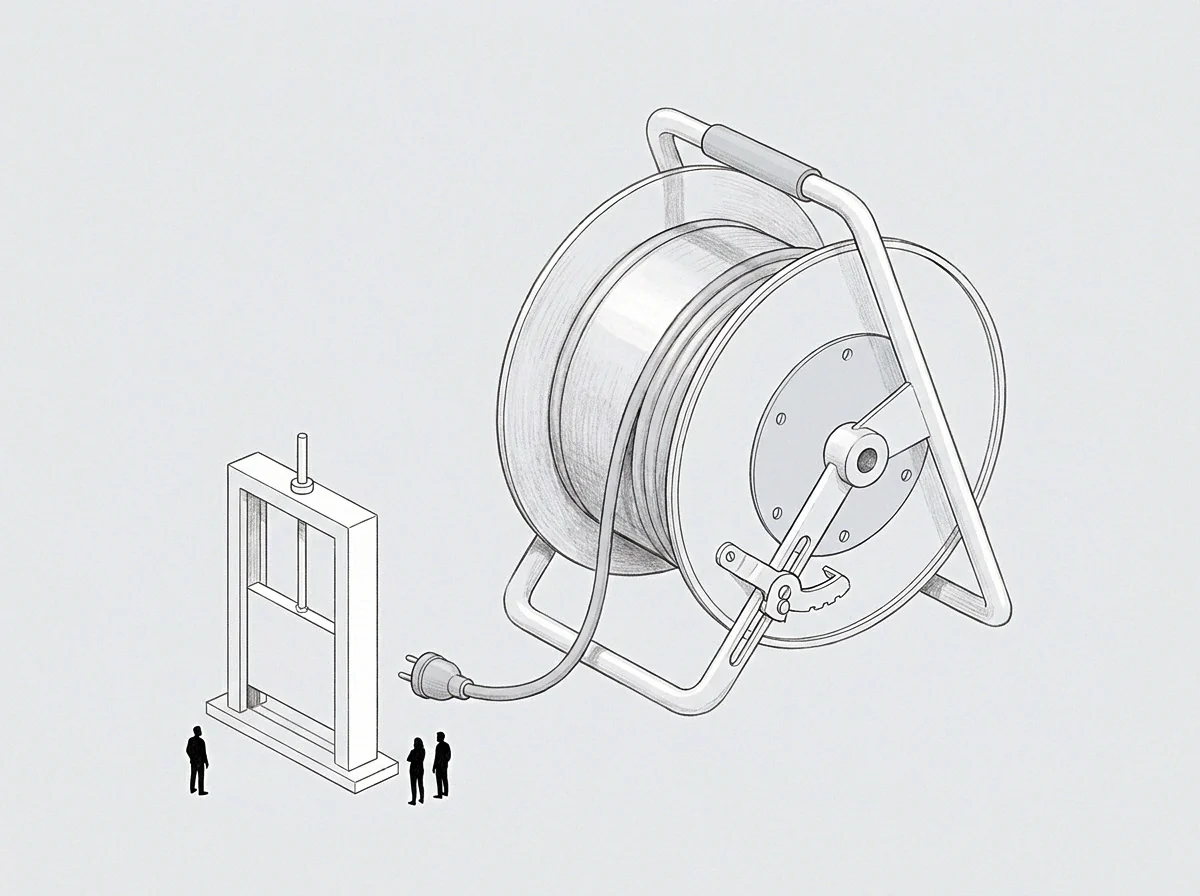
Structural Separation Across Enterprise Layers
Treasury governance maintains solvency through liquidity thresholds, credit facility monitoring, and spending caps. Backlog prioritization resolves dependencies shaped by technical architecture, distribution loops, and cycle times. Blurring these domains compromises both: treasury managers attempt to evaluate technical backlogs without domain knowledge, while engineering teams alter technical architectures to produce short-term balance sheet cosmetics.
| Dimension | Financial Burn Constraint | Operational Priority Engine |
|---|---|---|
| Primary Measurement Unit | Cardinal currency reserves and monthly net cash outflow | Ordinal sequence rank and dependency completion velocity |
| Temporal Sensitivity | Calendar months until capital exhaustion | Cycle times, handoff friction, and task lead durations |
| Adjustment Mechanism | Discretionary spending freezes and head count adjustments | Scope pruning, queue reordering, and technical trade-offs |
| Failure Signature | Balance sheet insolvency and missed vendor obligations | Broken code paths, incomplete deployments, and system stagnation |
| Primary Objective | Maintain ongoing operational solvency | Complete critical structural milestones before deadline |
Filtering backlog items through treasury criteria distorts operational mechanics. An operational dependency chain demands linear execution. Forcing teams to accelerate or abandon segments of that chain based on cash anxiety splinters developer focus, inflating the hours required to complete functional milestones.
An engineering team building a distributed data store needs uninterrupted focus on foundational schemas. If capital constraints force sudden reprioritization toward immediate sales prototypes, the foundational work stalls half-finished. Later resumption requires rebuilding context, reading outdated documentation, and patching fragmented components.
The cost lands directly on engineering hours.
Tight capital changes the total time a company has left, but it leaves the internal logic of technical dependencies unaltered.

Friction
When financial anxiety leaks directly into daily standups, operational execution degrades quickly. Developers stop resolving deep technical dependencies and begin optimizing for visible artifacts that look reassuring during monthly runway updates. That operational posture erodes long-term capability while yielding negligible monetary savings.

Behavioral Responses to Runway Fluctuations
Technical teams adapt to volatile capital mandates by withholding commitment from multi-week refactoring efforts. When management cancels long-term initiatives each time monthly cloud costs rise by five percent, engineers adopt defensive work habits. They select small, cosmetic tickets that can close inside a single reporting interval, leaving underlying architectural bottlenecks unaddressed.
The resulting technical debt degrades execution speed, increasing the effective capital required to ship future releases.
Premature task cancellation converts invested labour into permanent technical debt without reducing recurring corporate liabilities.
Sales teams suffer comparable disruption under uncoupled capital directives. Instructed to prioritize immediate upfront cash receipts, sales representatives offer enterprise clients excessive custom software modifications. These contract stipulations consume engineering bandwidth for quarters, preventing the delivery of standard commercial features.
The upfront cash extends corporate runway by six weeks, while committing the technical organization to twelve months of customized service obligations.
When these boundary lines collapse, organizational friction compounds across multiple fronts:
- Fragmented developer allocation across unaligned initiatives dilutes technical velocity and increases defect frequency.
- Premature contract customization executed solely to collect upfront deposits diverts product development toward non-reusable client commitments.
- Arbitrary tooling cutbacks implemented without team consultation eliminate software licenses that save hundreds of developer hours per sprint.
- Chronic strategic realignment undertaken at every executive balance sheet review erodes organizational morale and destabilizes team cohesion.
Operational teams require stable task vectors to find flow and resolve technical blockers. Injecting treasury volatility directly into weekly operational queues guarantees that no complex technical system ever reaches completion.
The resulting drag lands squarely on organizational capacity.

Leverage
Decoupling capital reserves from task allocation requires explicit governance boundaries. Executive leadership establishes fixed runway bands that dictate high-level spending policies, while operational managers maintain sovereignty over task sequence within the approved budget envelope. This separation insulates operational priorities from treasury panic while ensuring fiscal solvency.

Decoupled Governance Mechanics
An enterprise establishes capital safety thresholds that define allowable operating postures without dictating individual backlog choices. Assume a business maintains twelve months of operational runway. At twelve months, operational leaders pursue strategic milestones with multi-quarter horizons.
If macroeconomic headwinds or revenue delays compress runway to six months, the financial mandate changes the operational envelope, not the daily backlog ranking.
The financial constraint functions as a boundary condition, setting the total capital ceiling and the available operational timeline. Operational managers then prune the scope of current initiatives to match the compressed timeframe. By maintaining the internal sequence of work, they preserve the structural integrity of core systems rather than abandoning half-built features across the board.
Organizations that preserve this insulation rely on structured resource allocation pathways:
- Establish liquidity shock bands that govern total organizational expenditures without mandating operational task cancellations.
- Define milestone completion horizons that align technical deliverables with available runway reserves.
- Protect active development sequences by requiring complete milestone delivery or clean branch terminations before shifting team resources.
- Conduct capital reviews asynchronously away from operational standups to shield technical execution from short-term financial anxiety.
Maintaining these governance firewalls allows operational teams to optimize for throughput and software reliability. When capital contractions occur, operations drops entire secondary initiatives cleanly rather than starving critical primary paths of required engineering attention.
A structured decoupling protocol prevents the gradual erosion of technical focus across teams.
If leadership ignores these operational firewalls, backchannel reprioritization inevitably resumes.

Parity
Maintaining separation between capital limits and operational queues requires continuous translation between cardinal figures and ordinal task vectors. Finance functions through cardinal metrics: monthly burn rates, cash balances, and revenue multiples. Operational execution functions through ordinal choices: deciding whether database stability precedes customer self-serve onboarding.
Bridging this gap requires clear translation rules rather than direct command interference.
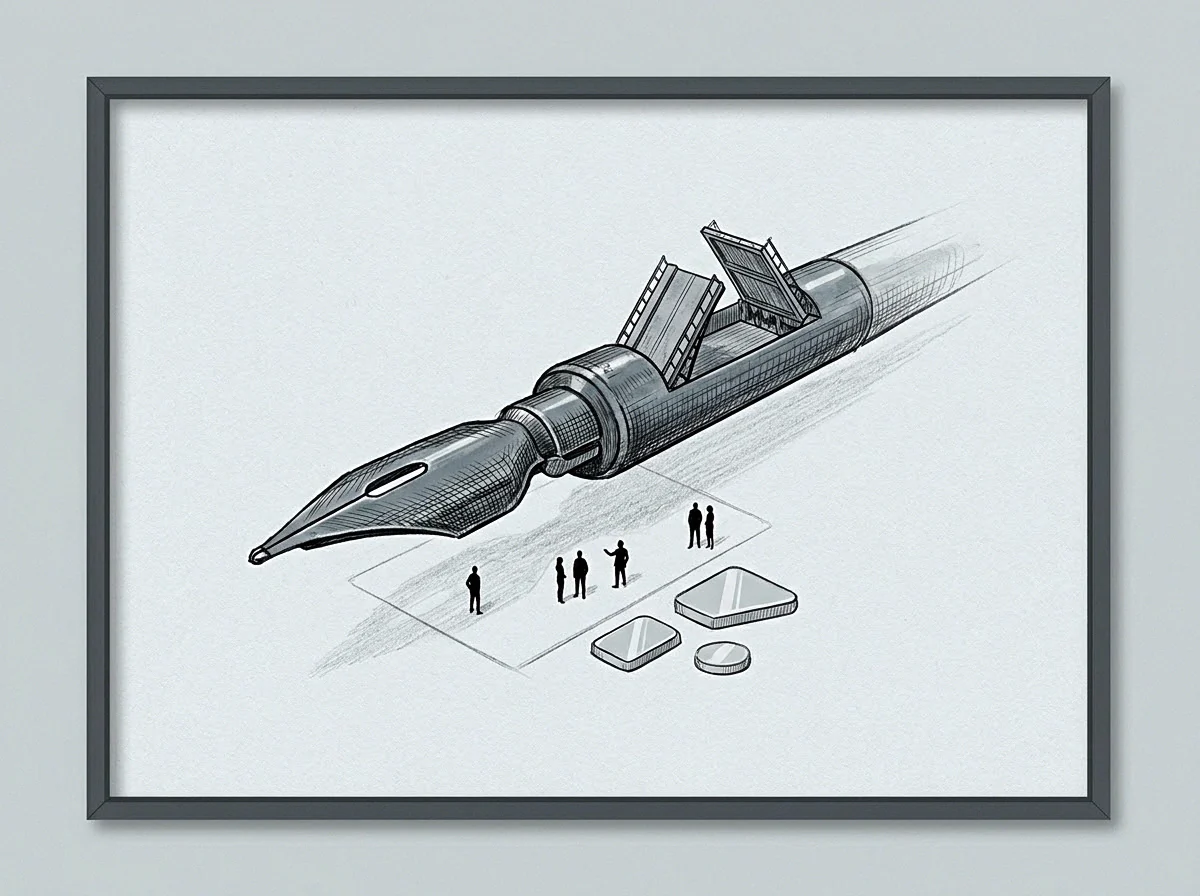
Translating Financial Limits into Scope Constraints
When the finance committee determines that monthly burn must drop by twenty-five thousand dollars, that cardinal mandate travels to operational leadership as a resource constraint, never as a specific backlog command. Operational leaders translate that spending limit into concrete scope adjustments. They choose which development tracks receive staffing and which tracks pause cleanly.
Resource constraints define the size of the engineering theater while internal architectural logic dictates the movement of actors on stage.
This division of responsibility ensures technical choices remain with domain specialists. A chief financial officer knows capital markets, working capital cycles, and cash flow timing. A technical lead understands compile dependencies, database migration risks, and code maintainability.
Permitting the financial officer to cancel specific database refactoring tasks because they look expensive on a spreadsheet produces fragile systems that collapse under production traffic.
The primary challenge centers on communicating these trade-offs upward to the board. Operational leaders present plans showing that reducing burn by twenty percent requires dropping specific peripheral features entirely, preserving core architecture. Attempting to build all proposed features with twenty percent fewer resources yields broken deliverables across every department.
Clear translation protects operational teams from administrative chaos while giving financial officers the capital control necessary to avoid insolvency.
Verdict
Separating financial burn ceilings from operational priorities represents the difference between sustainable execution and chronic operational panic. An enterprise operating with six months of runway can build dependable, resilient software if execution sequences remain protected from day-to-day treasury alarm. That same enterprise will fail if every fluctuation in monthly receivables triggers an emergency reordering of development queues.
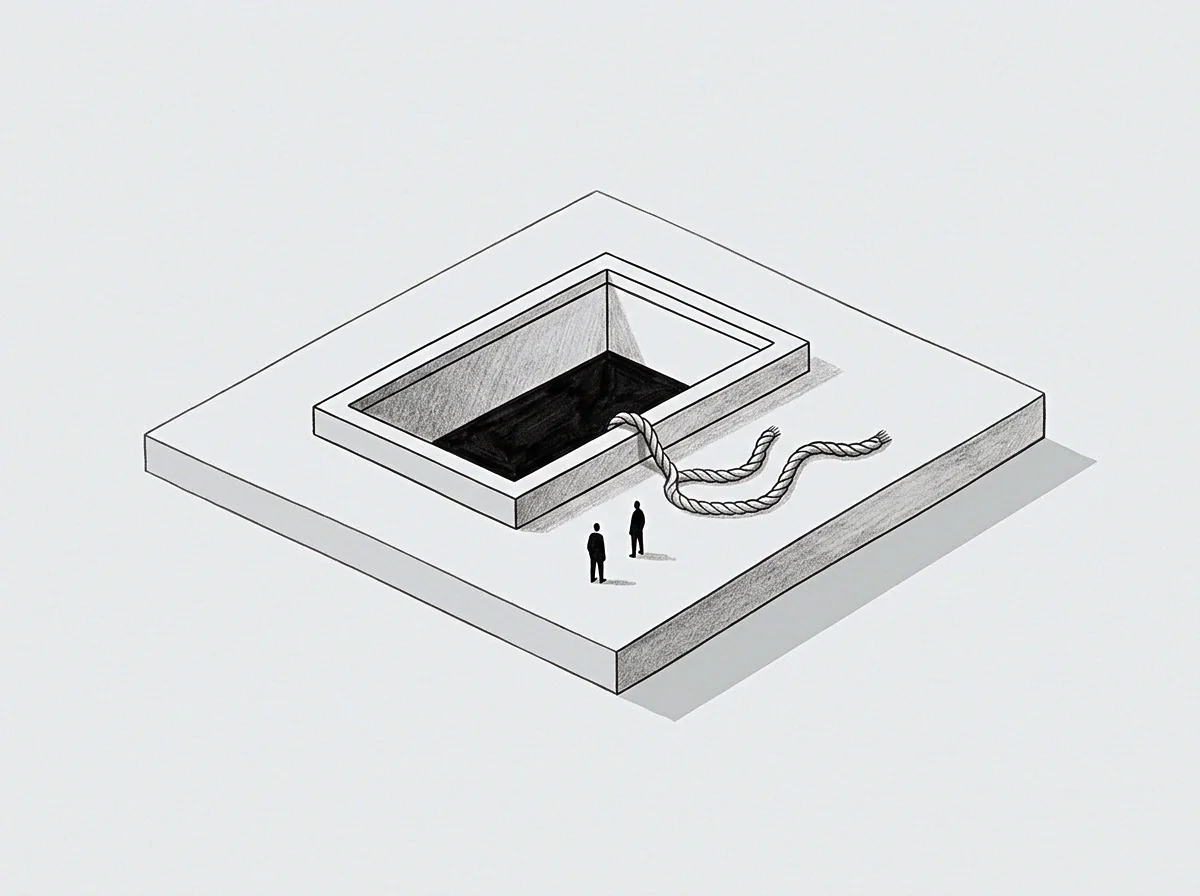
Sustaining Operational Equilibrium Under Scarcity
Executive leadership enforces this operational insulation by maintaining distinct conversational spaces for treasury management and task allocation. Capital runway updates occur at predictable monthly cadences, where budgets are set and strategic planning horizons are adjusted. Operational execution meetings focus exclusively on removing technical blockers, optimizing deployment pipelines, and completing active dependency sequences.
When capital compression strikes, the correct operational move involves reducing the total number of parallel initiatives while preserving the sequencing of primary initiatives. Concentrating available developer hours on a narrow, viable product slice ensures that usable functionality reaches production before runway expires. Scattering depleted resources across an unchanged backlog guarantees project failure before any single feature functions reliably.
The enterprise that masters this separation navigates periods of extreme capital scarcity without sacrificing technical standards or exhausting employee capacity. The balance sheet establishes the physical boundaries of the operating arena. Inside that arena, technical logic, dependency resolution, and disciplined operational sequencing govern every step toward corporate viability.
Whether executive leadership possesses the institutional discipline to maintain this separation when runway drops below ninety days remains an open question.