
Calculating Operational Deflection Around Avoided Structural Leadership Decisions
Organizations route capital and labor along lower friction operational paths when leadership avoids high friction structural decisions, accumulating shadow volume.
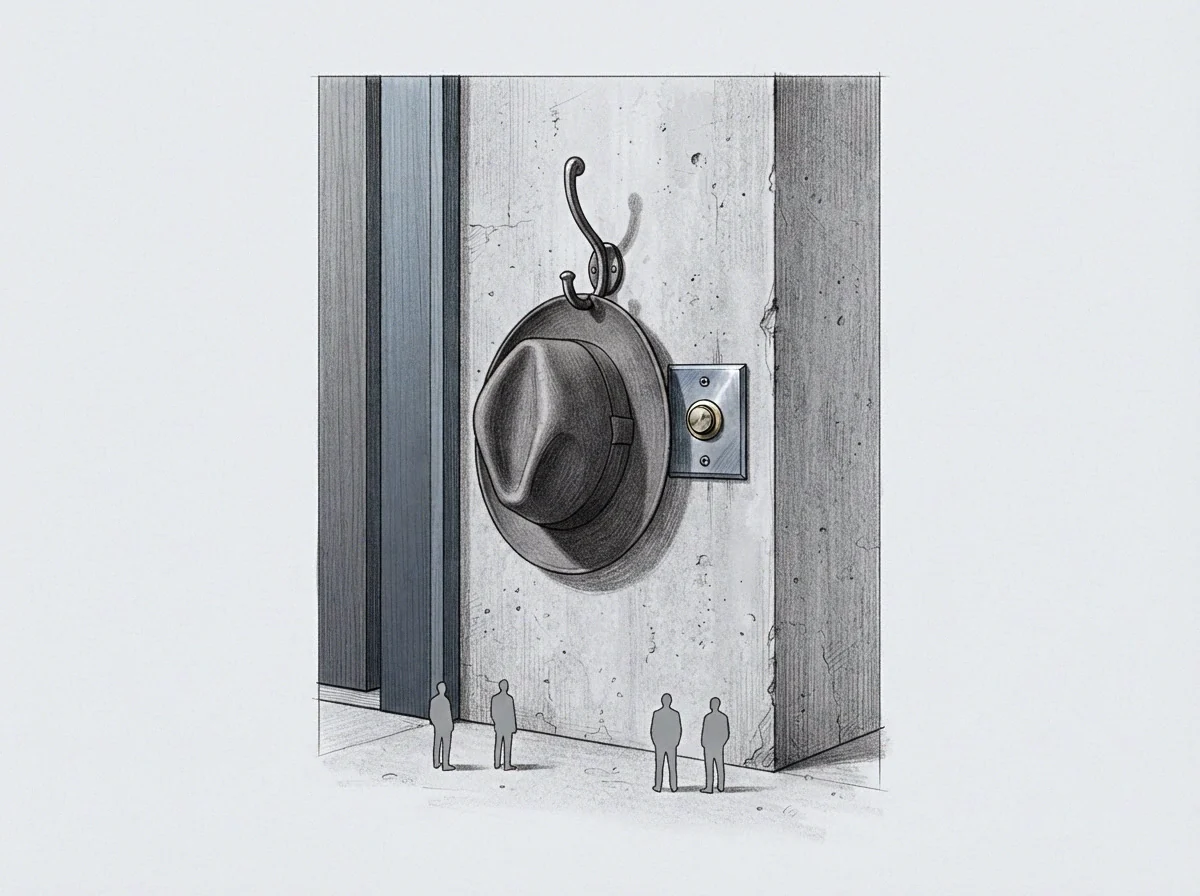
Conduit
Twelve engineers spent three consecutive quarters writing custom middleware scripts to synchronize customer billing records across two division databases because neither division vice president agreed to adopt a unified schema. The underlying leadership choice regarding data ownership remained unmade. Capital flowed into operational software, daily patch cycles, and cross-functional coordination meetings.
Friction drives system deflection. When a structural choice carries high immediate friction, an organization computes a path of lower local friction, routing energy along secondary operational paths.
This process operates as gradient descent along an organizational friction surface. The system moves toward local minima where short-term conflict is minimized, regardless of total long-term operational expenditure. Avoidance creates shadow workflows.
When leadership avoids establishing definitive operational boundaries, terminating misaligned initiatives, or reallocating equity and executive authority, the system does not stop moving. Instead, it generates proxy activities that absorb capacity while preserving the existing internal baseline.
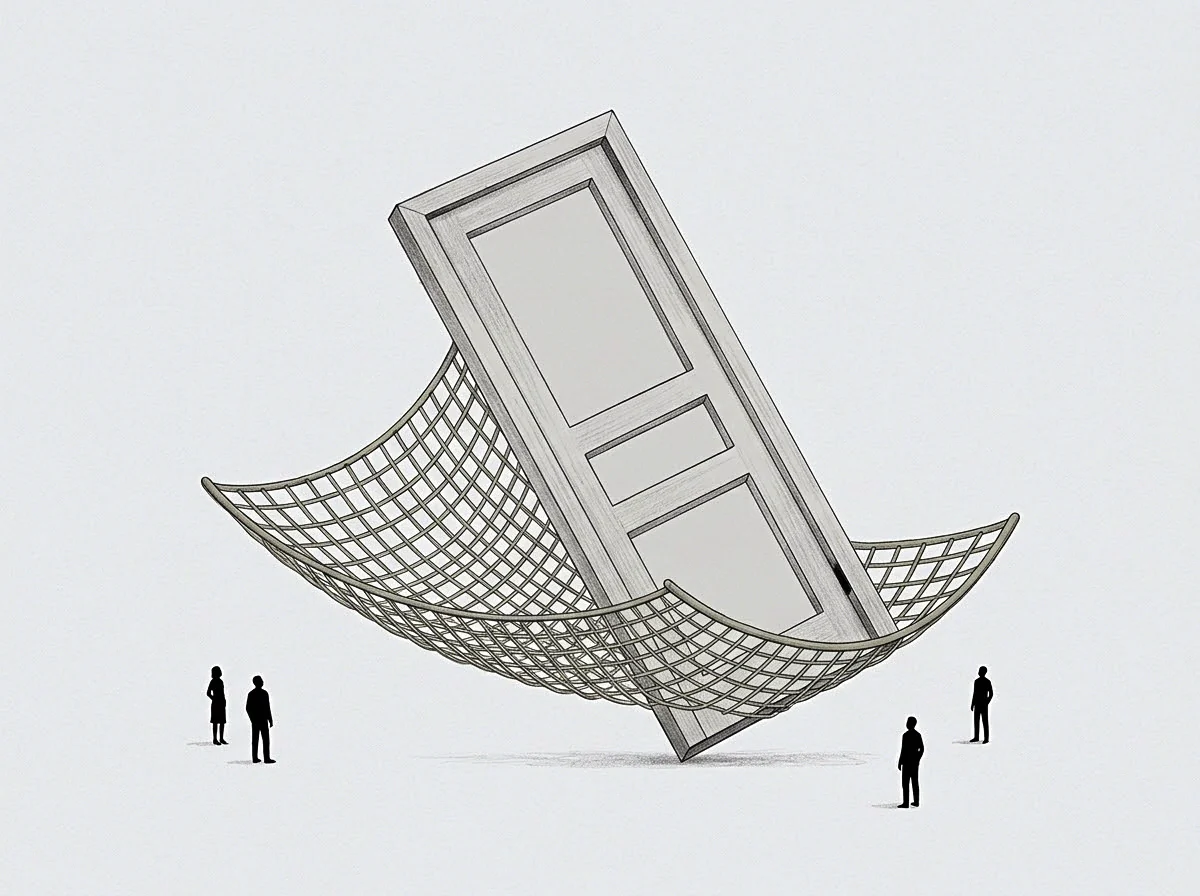
Mapping Energy Paths Across Structural Friction
Systemic energy cannot be destroyed inside an active organization; it converts into administrative overhead when direct execution paths are blocked. Operational deflection represents the total volume of secondary labor, software customization, and managerial buffer zones deployed to circumvent an unresolved structural choice. The magnitude of this deflection measures the precise distance between current operational patterns and the direct path.
Energy follows least resistance.
Operational deflection occurs when system expenditure shifts along secondary pathways whenever structural friction exceeds immediate execution capacity.
Consider an enterprise software firm operating two competing product lines that target overlapping buyer personas. A direct leadership choice would select one product line, decommission the other, and reassign the technical personnel. Because that choice carries political friction between founding partners, the leadership team instead commissions a cross-product integration layer, appoints a joint committee, and launches a dual-brand positioning campaign.
The ordinal cost of the direct choice involves acute, short-term conflict. The cardinal price of the proxy path manifests as continuous monthly payroll across three engineering teams for two years. Unmade choices compound costs.
When an organization substitutes procedural work for governance choices, total salary expenditure increases while throughput per payroll dollar declines.

Desk
Physical evidence of deflected organizational energy accumulates in calendar schedules, budget line items, and seating arrangements. An owner managing forty staff members observed recurring delivery delays across client projects. Rather than restructuring product management authority between two competing leads, the owner established a Weekly Alignment Committee consisting of six senior staff members.
Over six months, this committee consumed forty-eight hours of senior payroll per month without altering final project delivery dates.
The unspent volume of the avoided structural choice visible on the owner desk takes the form of unassigned accountability. When authority remains ambiguous, teams construct internal buffers. Middle managers generate status reports to protect their seats.
Engineering leads create custom integration bridges. Operational teams design multi-tier approval matrix documents to distribute liability across multiple roles. Deflection absorbs working capacity.

Shadow Structures Created by Avoidance
Shadow structures emerge directly from avoided structural decisions, operating as secondary mechanisms that mimic real production while protecting the internal status quo.
- Secondary clearance layers added to existing approval sequences absorb capacity without altering decision quality.
- Custom translation software built between isolated teams codifies operational division instead of resolving boundary disputes.
- Recurring alignment meetings scheduled without clear authority serve as proxy coordination for missing governance.
- Consulting engagements launched to evaluate operational options replace executive commitment to single paths.
Each shadow structure represents a permanent ongoing operational cost incurred to avoid a one-off structural friction event. A founder who refuses to remove an ineffective commercial director will repeatedly hire external sales enablement consultants, rewrite incentive compensation models, and purchase new pipeline analytics tools. Compensation replaces direct action.
The accumulated financial and operational price of these secondary interventions rapidly exceeds the severance cost and recruitment fee of replacing the director. The baseline remains unchanged.
A covert operational contract bills for unstated governance boundaries through continuous secondary labor allocations.
The administrative layer expanded because direct requests for ownership decisions returned without resolution.

Axis
Value serves as the primary axis against which operational movement is evaluated. Gradient calculations derived from this axis carry no internal moral judgment; they merely state the rate of change in organizational yield relative to input energy. Ascent gradient demands intentional calculation and short-term capital expenditure, while descent follows the natural path of least friction.
An organization that mistakes operational activity for structural progress experiences rapid capacity exhaustion while remaining at a low value altitude.
Cost is an ordinal vector indicating direction, magnitude, and systemic strain, whereas price is a simple cardinal figure expressed in monetary units. A leadership team can calculate the exact price of an external advisory audit, but the true cost encompasses lost engineering quarters, delayed market entry, and team fatigue. When an executive evaluates an avoided structural choice based solely on immediate price while ignoring the ordinal cost vector, deflection becomes the default operating mode.
Operational costs accumulate daily.
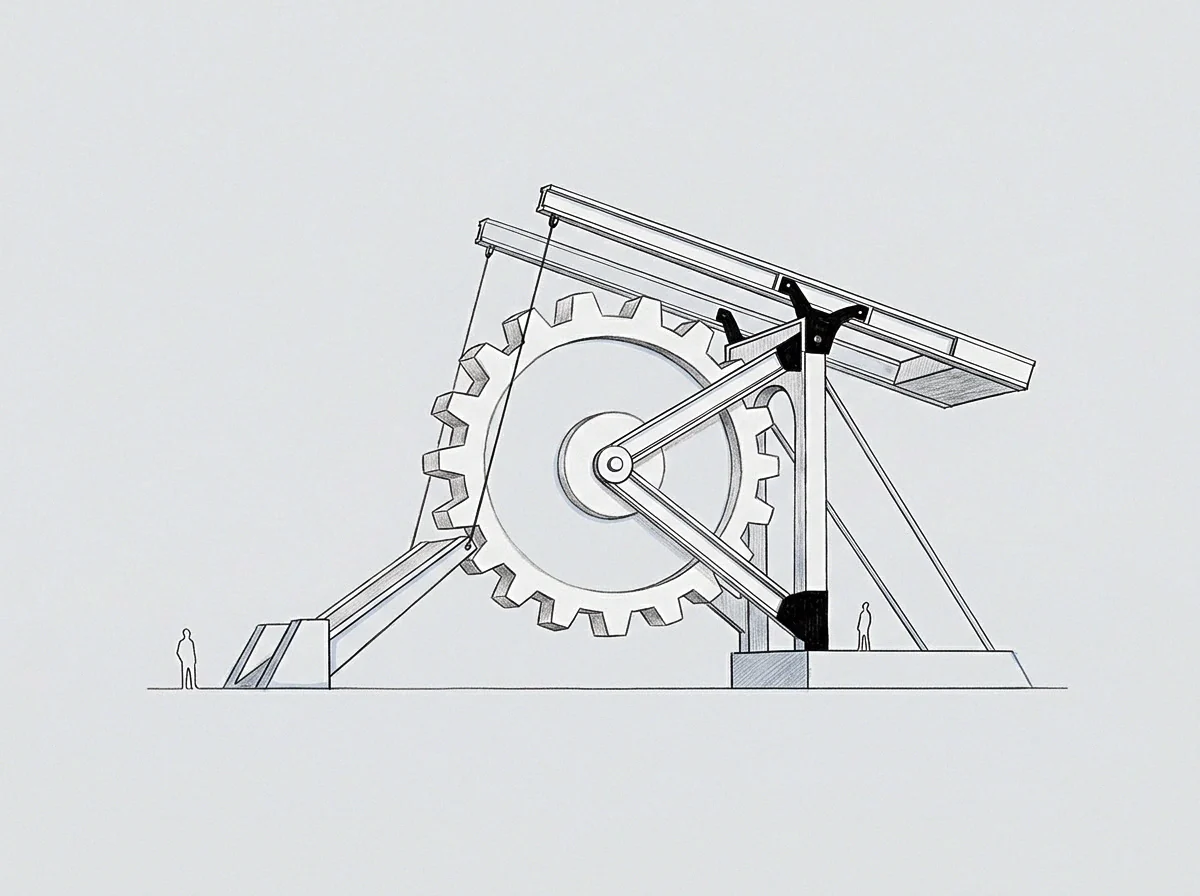
Where Does Deflected Energy Accumulate in Workflows?
Proxy activities absorb capacity while generating the optical illusion of progress. Evaluating secondary deflection against direct structural resolution exposes the clear operational divergence between proxy energy consumption and definitive leadership action.
| Dimension | Proxy Operational Deflection | Direct Structural Decision |
|---|---|---|
| Capital Commitment | Continuous operational payroll allocations across multiple quarters | One-time realignment or contract termination fee |
| System Friction | Escalating boundary friction between functional divisions | Localized temporary friction during organizational reset |
| Capacity Utilization | Permanent allocation of senior labor to translation mechanisms | Reallocation of senior labor to primary revenue operations |
| Model Boundary | Constrained within legacy constraints while generating proxy output | Expanded model boundary permitting new operational scale |
The table demonstrates how operational deflection converts acute structural choices into chronic background overhead. When leadership permits structural ambiguity to persist, secondary workflows expand to fill the void. Structure dictates energy expenditure.
The system converges around local minima, optimizing internal coordination processes rather than external market value creation. Local optimization hides friction.
System deflection expands until the ordinal cost of maintaining proxy structures exceeds the perceived friction of direct leadership intervention.
A formal governance clause specifying single-point budget authority eliminates secondary validation loops across dependent operational divisions.

Tally
Calculating the total operational deflection volume within an organization demands systemic error arithmetic. The boundary surveyor maps what the system refuses to compute because direct execution is perceived as expensive. Discomfort serves as an active measuring instrument, marking the exact coordinate where current leadership models terminate.
Unresolved choices drain capacity.
To quantify deflection volume, analysts evaluate the delta between baseline operational capacity and actual market delivery. When an organization of eighty personnel produces output equivalent to a focused team of twenty, the remaining sixty units of labor represent operational deflection volume. This volume accumulates in secondary reporting channels, redundant software layers, and uncoordinated strategic initiatives.
Measurement reveals latent friction.
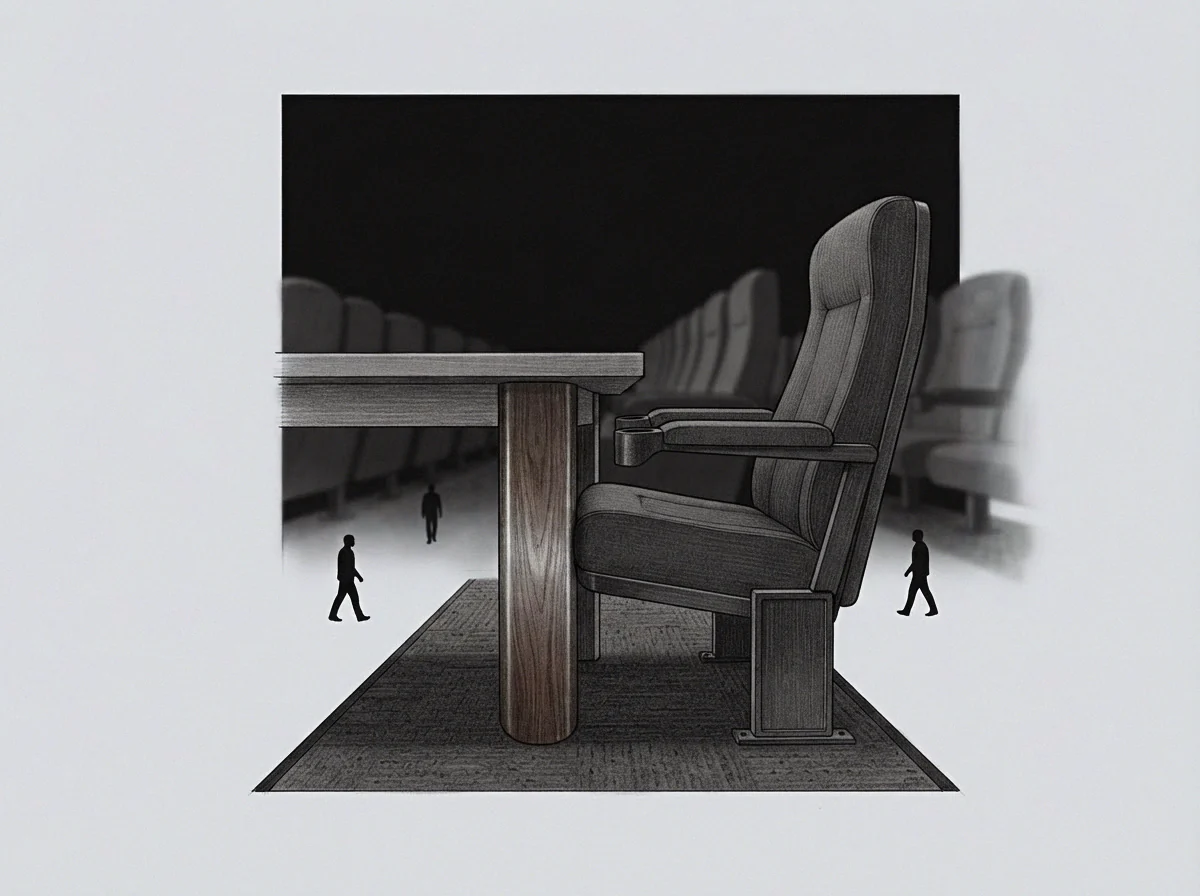
Quantifying the Divergence from Baseline Potential
Calculating the true financial and operational load of avoided choices requires a structured quantitative sequence applied across affected operating units.
- Establish the baseline labor expenditure for direct production tasks across target units over a four-week observation window.
- Identify all recurring alignment rituals, secondary reconciliation workflows, and custom bridge software maintenance hours.
- Multiply the hourly wage rates of involved personnel by the total monthly hours spent operating secondary deflections.
- Subtract standard operational overhead from total proxy labor costs to determine the net operational deflection volume.
Applying this sequence to a commercial organization routinely surfaces shadow expenditures that dwarf initial structural estimates. An executive team avoiding a necessary departmental restructuring may spend five hundred thousand dollars annually on external facilitators, custom workflow software, and retention bonuses for dissatisfied middle managers. The direct cost of executing the restructuring might total one hundred thousand dollars in severance and relocation expenses.
Capital absorbs organizational friction.
Unprocessed structural decisions leave measurable financial marks across operational ledger lines.
Whether an organization can measure its full operational deflection volume without first establishing clear baseline metrics across all functional seats remains open to empirical determination.

Hinge
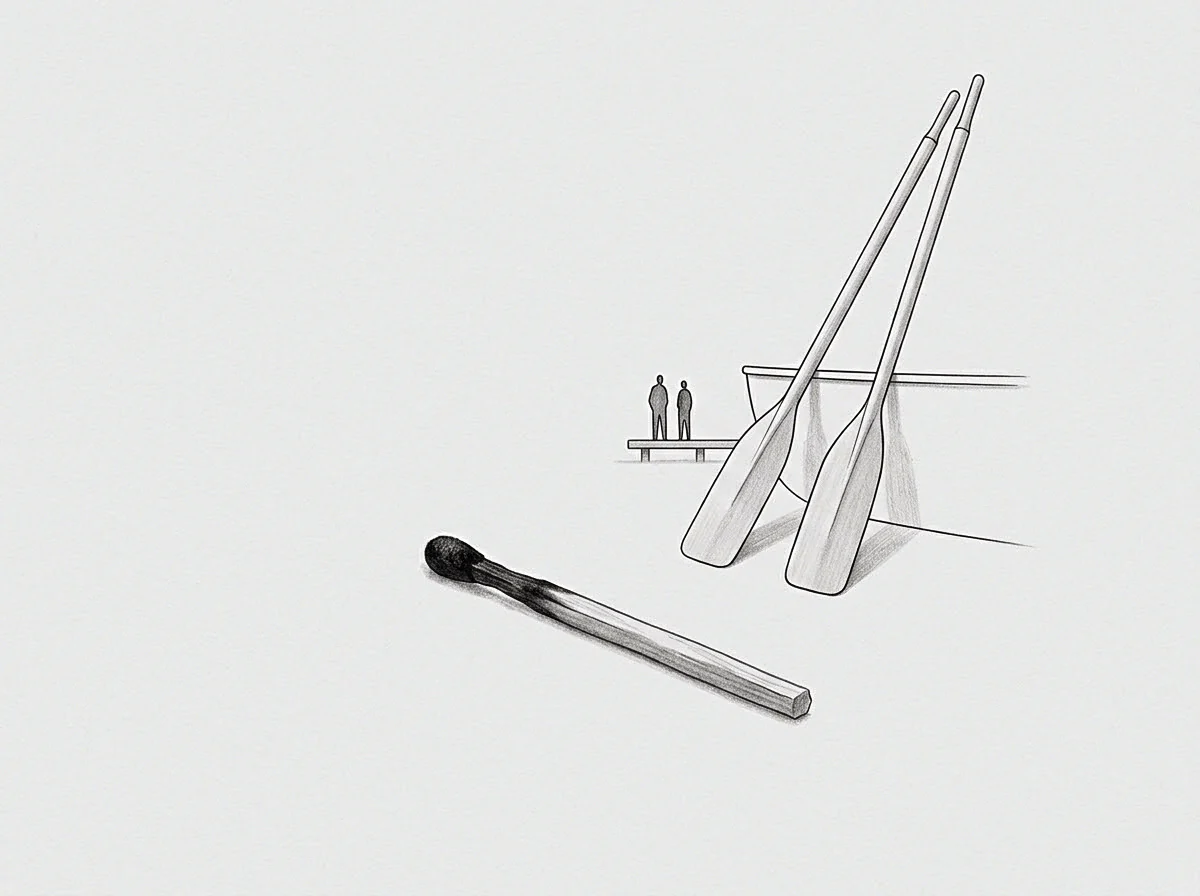
The wall marks the edge of the organization current operational model. Beyond this wall sits the latent potential of the organization: an unspent volume of equal magnitude and opposite sign to the accumulated deflection. Reaching this potential requires reversing the operational gradient, shifting from passive descent along least resistance to an active ascent toward direct structural execution.
Boundaries bound current capacity.
Pressing against the model boundary generates acute operational discomfort, which signals that structural calculation is taking place. When leadership stops funding proxy software, cancels alignment rituals, and forces definitive choices around ownership and strategy, operational deflection collapses. The energy previously locked in shadow workflows immediately frees up for primary production tasks.
Crossing the Wall of Model Boundaries
Executing a structural leadership decision demands accepting localized friction to achieve systemic clarity. A founder who definitive appoints a single head of product and decommissions secondary committees accepts initial political strain among senior staff. That acute friction resolves within weeks.
The resulting operational clarity permanently eliminates hundreds of hours of monthly deflection overhead across the entire engineering department.
The ascent gradient requires deliberate management action. Leadership must identify the avoided coordinate, state the structural choice in explicit terms, and reallocate capital away from proxy mechanisms. Operating at the boundary of the current model expands organizational capacity, transforming latent potential into measurable performance.
Direct structural intervention resolves systemic operational deflection when leadership accepts localized friction in exchange for long-term operational clarity.