

Systematic Boundary Wall Expansion Methods Through Directional Latent Potential Inversion Dynamics
Directional potential inversion shifts boundary wall coordinates by converting measured avoidance gradients into active structural expansion vectors.
Directional potential inversion shifts boundary wall coordinates by converting measured avoidance gradients into active structural expansion vectors.

Standardized performance signals yield multi dimensional gradient fields by computing partial derivatives of operational effort across orthogonal value axes.

Slope variance in convex allocation surfaces measures the rate of derivative decay across scale boundaries to identify structural capacity limits.

Internal allocation lag forces asset sales when cash depletion outpaces internal transfer velocity across organizational boundaries.

Rising benchmark rates increase hurdle gradients, causing direct illiquid asset shifts to absorb immediate capital losses and operational drag.

Directional gradient optimization calculates resource reallocation vectors directly from value slopes rather than static matrix categories.

Discrepancies disappear when strategic directives establish cardinal evaluation baselines rather than ordinal preferences against localized gradient slope calculations.

Documented organizational friction baselines derive structural potential energy by measuring the vector distance between formal compliance gates and shadow execution paths.

Reversing an operational avoidance vector yields a mechanical ascent gradient whose magnitude equals the computational cost of the unperformed work.

Operational restructuring in deflection networks reaches its limit when administrative coordination costs exceed total system capacity.
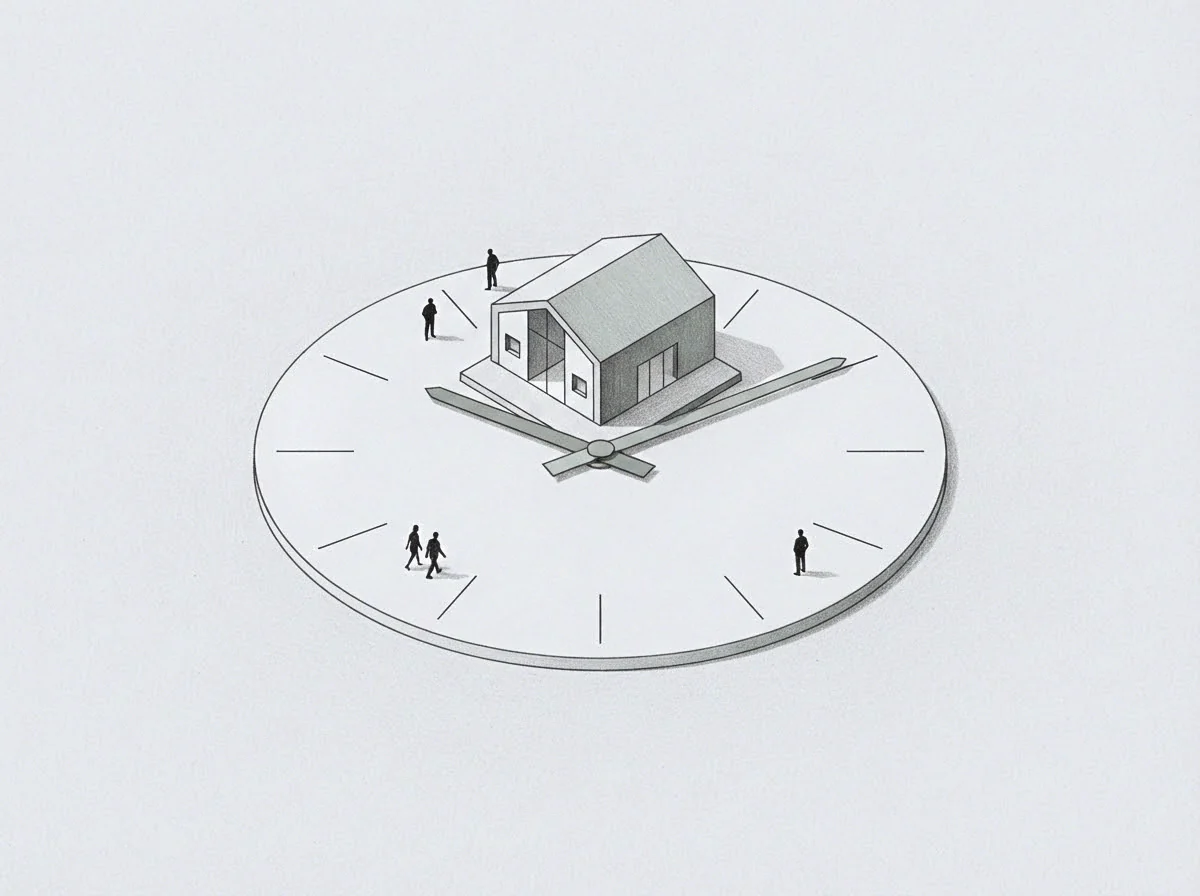
High convexity capital allocation evaluates tail potential by measuring ordinal cost vectors against unspent latent capacity above a baseline floor.

Value gradients across decentralized operations express the slope between localized operational output and central resource deployment without imposing moral grading.

Dynamic state compute boundaries are calculated by measuring the instruction gap between actual state transition costs and theoretical baseline unconstrained yield.

Unbounded stress contracts the operational state manifold, forcing system decisions into low-energy deterministic paths along the path of least resistance.
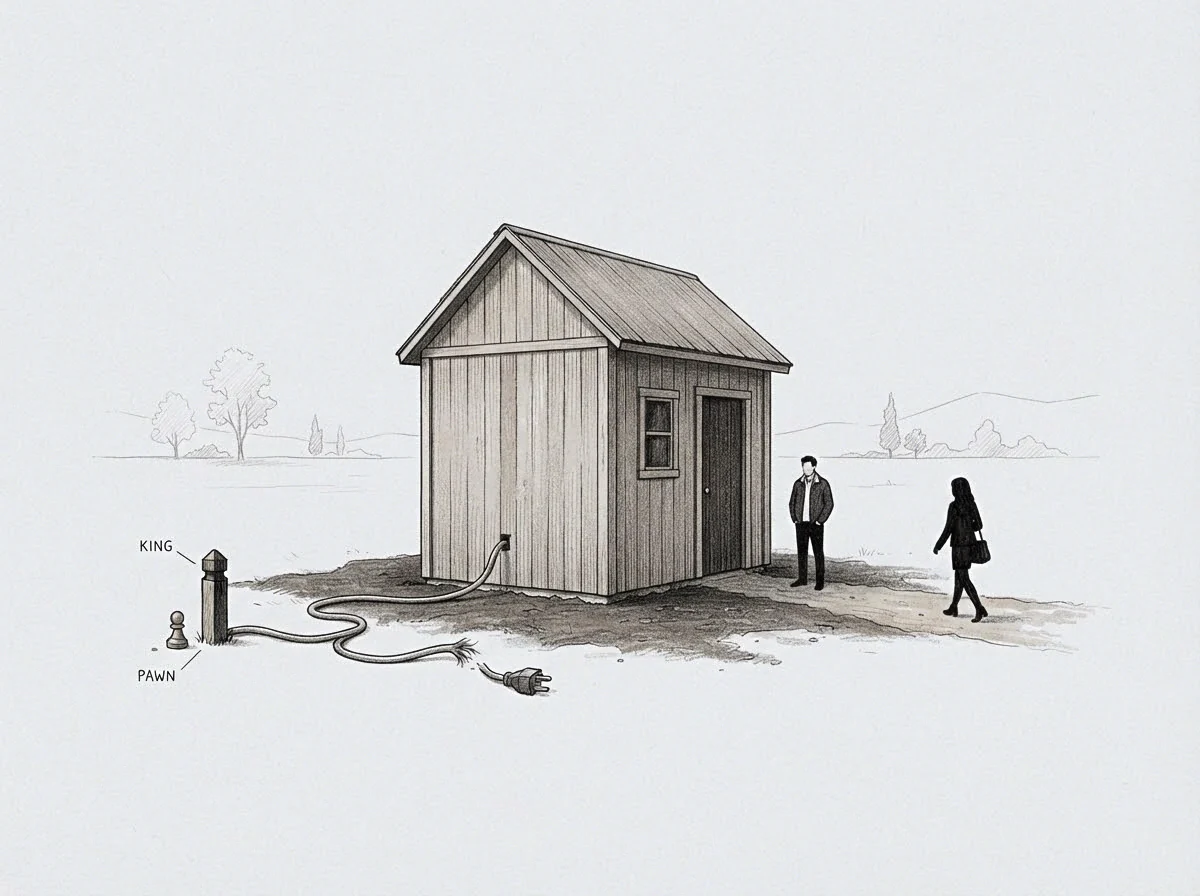
Vector divergence measures the angular offset between executive strategic trajectories and peripheral resource allocation along a derived value axis.
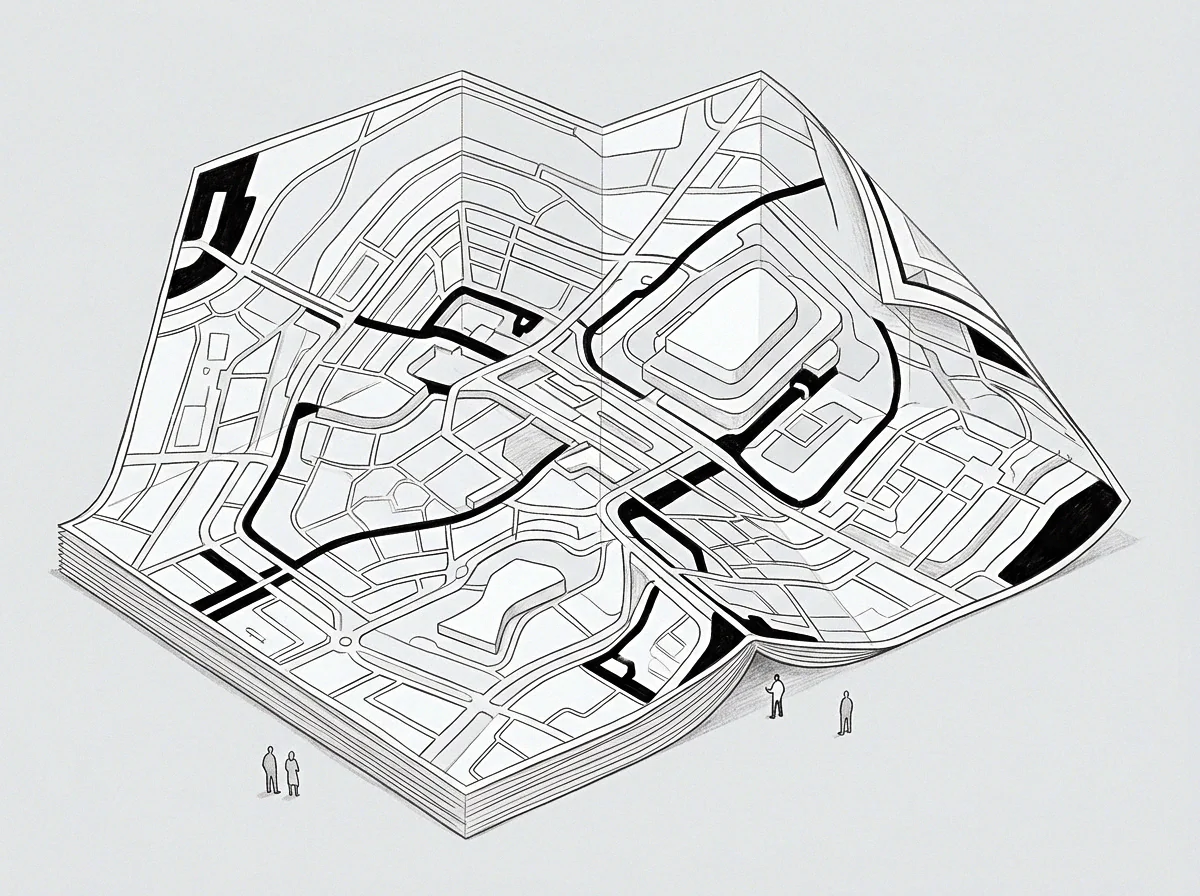
Organizational alignment signals decay across administrative layers as local units optimize work along paths of least resistance to minimize operational friction.

Capital allocation in non-linear operational environments follows directional gradient metrics where returns depend on step-function capacity thresholds.
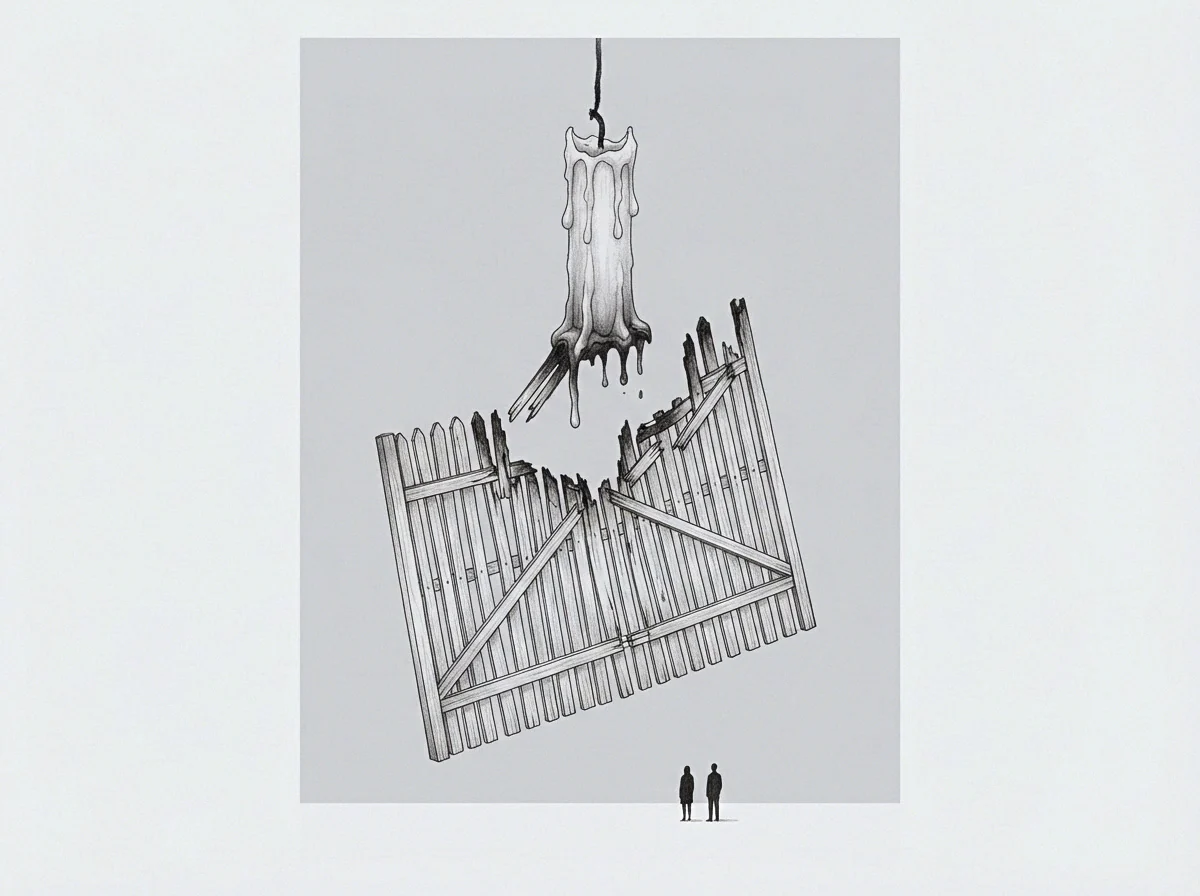
Capital allocation moves beyond enterprise matrix sorting by replacing static taxonomy buckets with continuous mathematical return gradients computed across hurdle baselines.
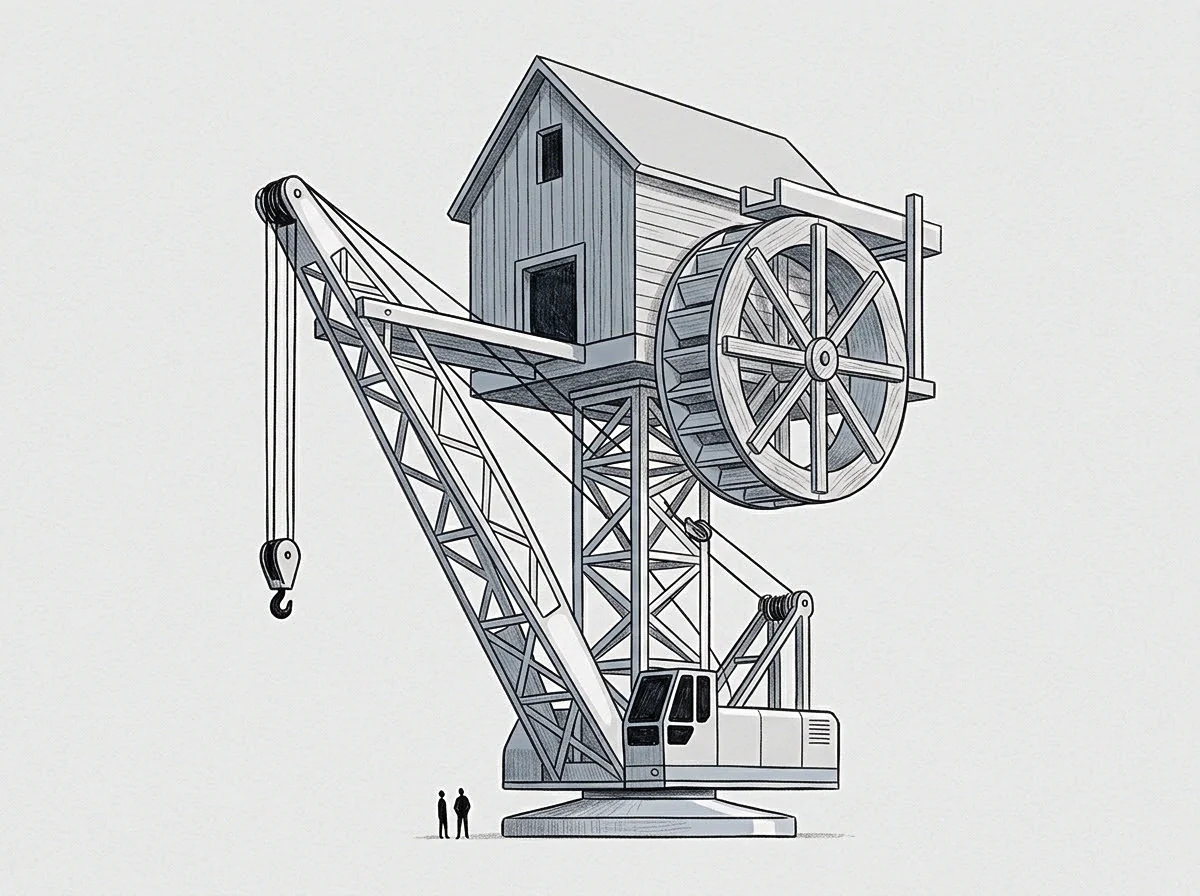
Capital deployment trajectory optimization uses cardinal value function gradients to direct resources along vectors of maximum real operational value gain.
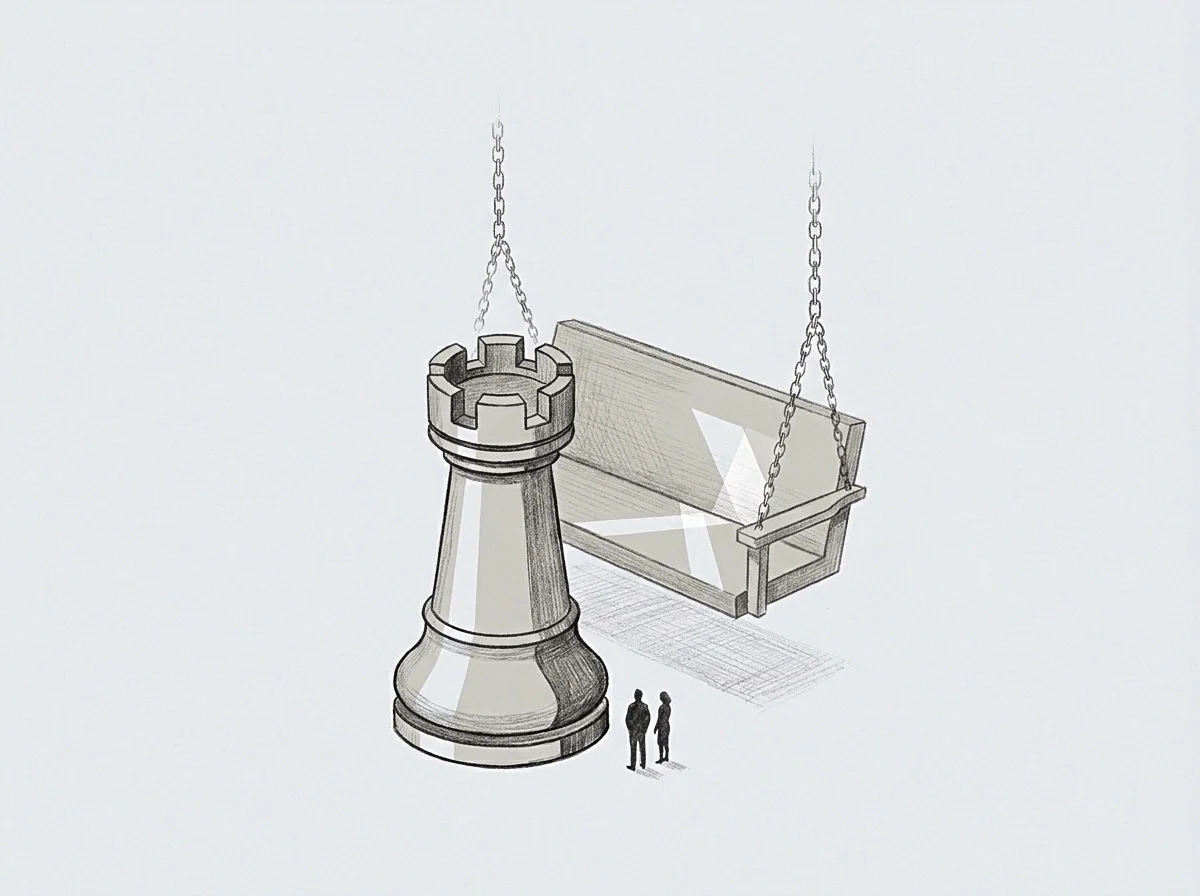
Resolving structural deflection requires isolating unmeasured friction vectors and anchoring primary metrics directly to derived operational baselines.

Standardizing performance vectors using z-score normalizations prevents subjective evaluation bias from distorting calculated organizational trajectories.

Continuous marginal value measurement replaces ordinal planning matrices by mapping incremental capital allocation against mathematical value derivatives rather than static scorecard ranks.

Measuring capital allocation through cardinal value gradients maps the derivative of returns against deployed liquid reserves along a continuous mathematical axis.
The terms are written where they belong. Each field holds three desks, and every entry a desk writes raises the terms it uses, each term given a meaning, a mechanism and the places it appears. The record on these pages stays first person and hand made; the fields grow the nomenclature.