
Isolating Hidden Friction In Daily Operations
Hidden operational friction isolates by tracking informal compensatory paths that staff invent to bypass structural bottlenecks.
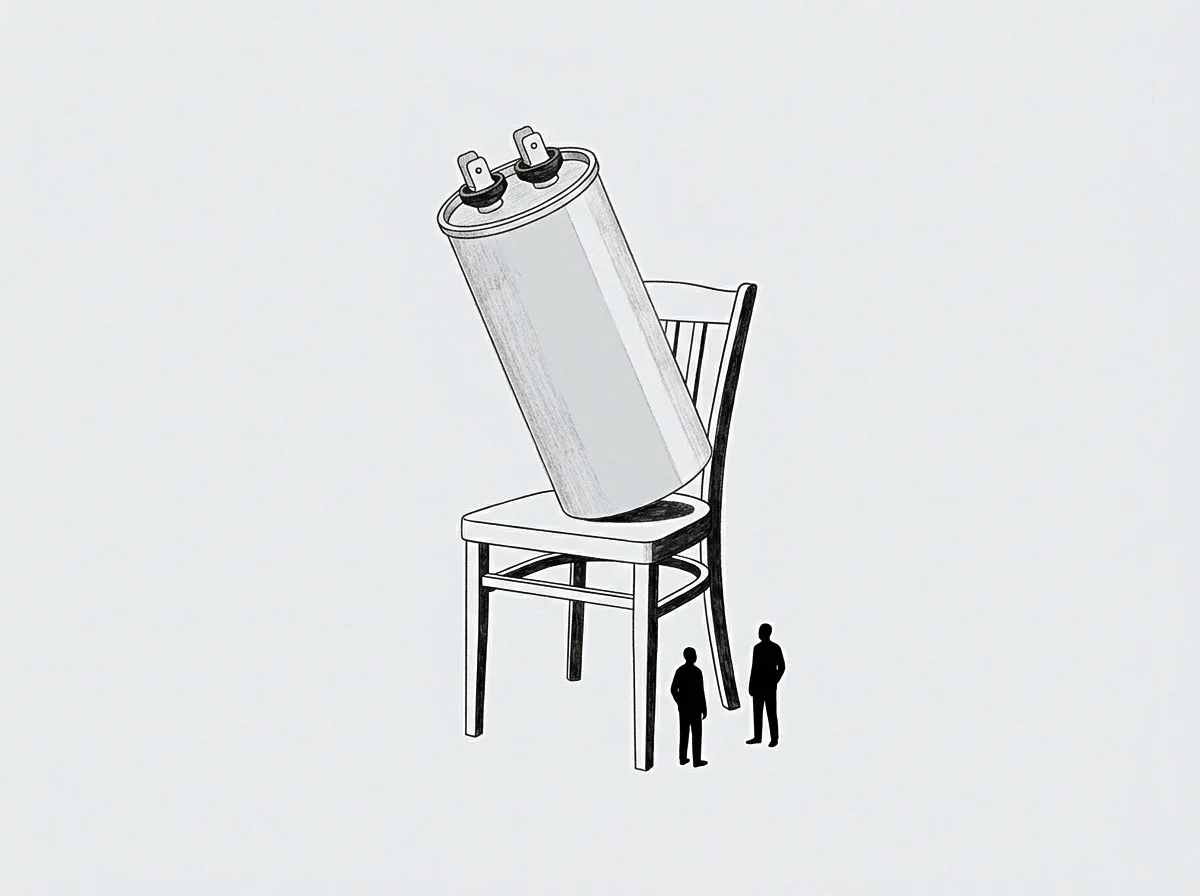
Drift
An operations log records five completed client onboardings before noon, yet four engineers spend forty minutes negotiating access permissions through private chat channels. Official scorecards show green indicators across the division. Below that visible surface, unrecorded manual labor absorbs systemic defects.
Gross operational failure halts work completely. Silent operational drag reroutes human attention around broken administrative gates while output records report normal progress.
The founder observes an organization moving at quarter speed while payroll registers full staffing. Work that once required an hour now consumes an entire morning. Nobody announces an obstruction.
The team routes around broken intake forms.
Operational velocity drops when staff spend more effort navigating bureaucratic detours than executing production tasks.
In classical mechanics, resistance converts kinetic energy into thermal loss without altering the nominal path of an object. In company operations, human beings alter their path immediately when confronting an administrative barrier. They seek the path of least resistance.
When an internal software tool takes four minutes to load an account record, the account manager exports the records into an unmonitored local spreadsheet. The official software remains untouched. The team maintains an unapproved shadow ledger on a personal computer.
No log records the diversion. The calendar absorbs the drag. The official metrics show the software running without an error status, because nobody interacts with the broken interface.
True friction remains concealed behind informal human adaptation. Allowing operational drag to masquerade as standard execution leaves the company vulnerable to sudden capacity collapse whenever intake volume doubles.
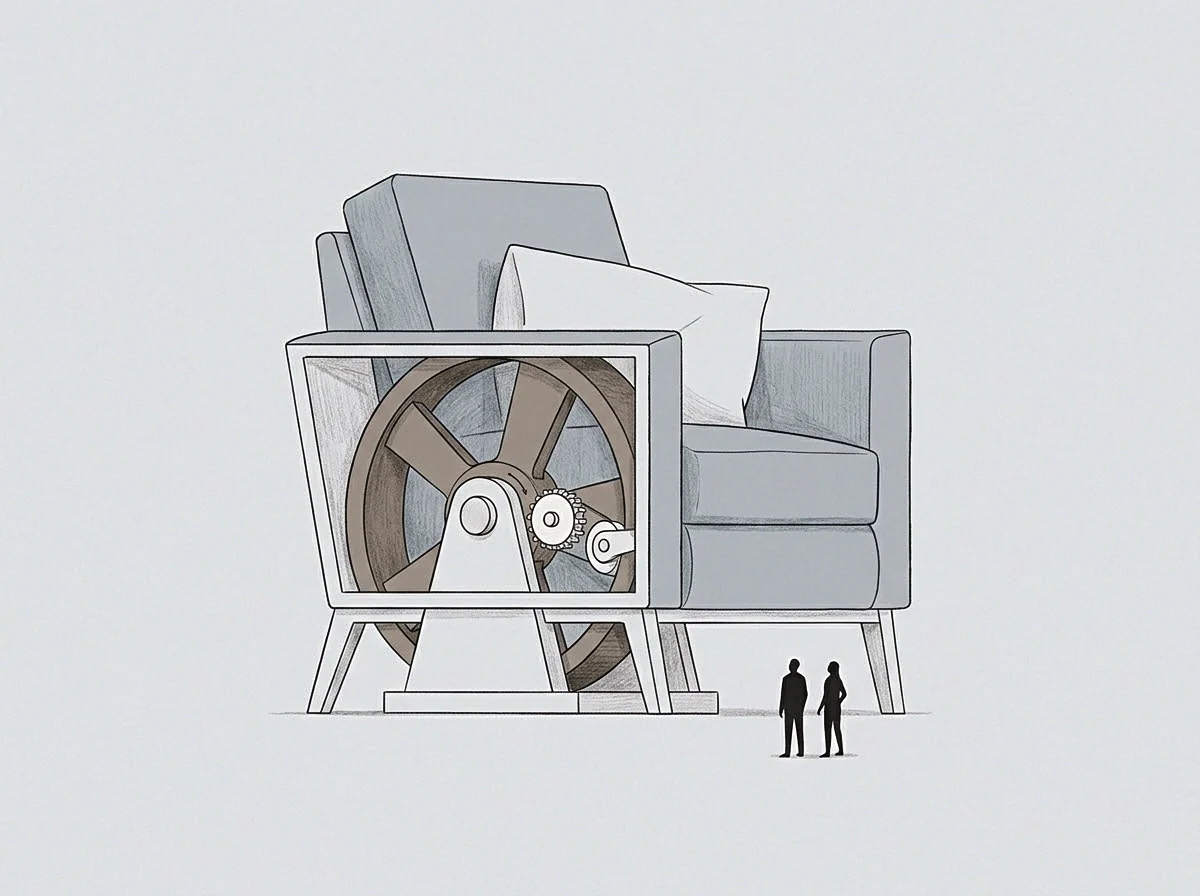
Track
Informal pathways leave measurable grooves across an organization once an operator learns how to read daily motion. Personnel create functional detours whenever formal procedures impose excessive cognitive drag. The volume of work diverted through these secondary routes mirrors the magnitude of the underlying obstruction.
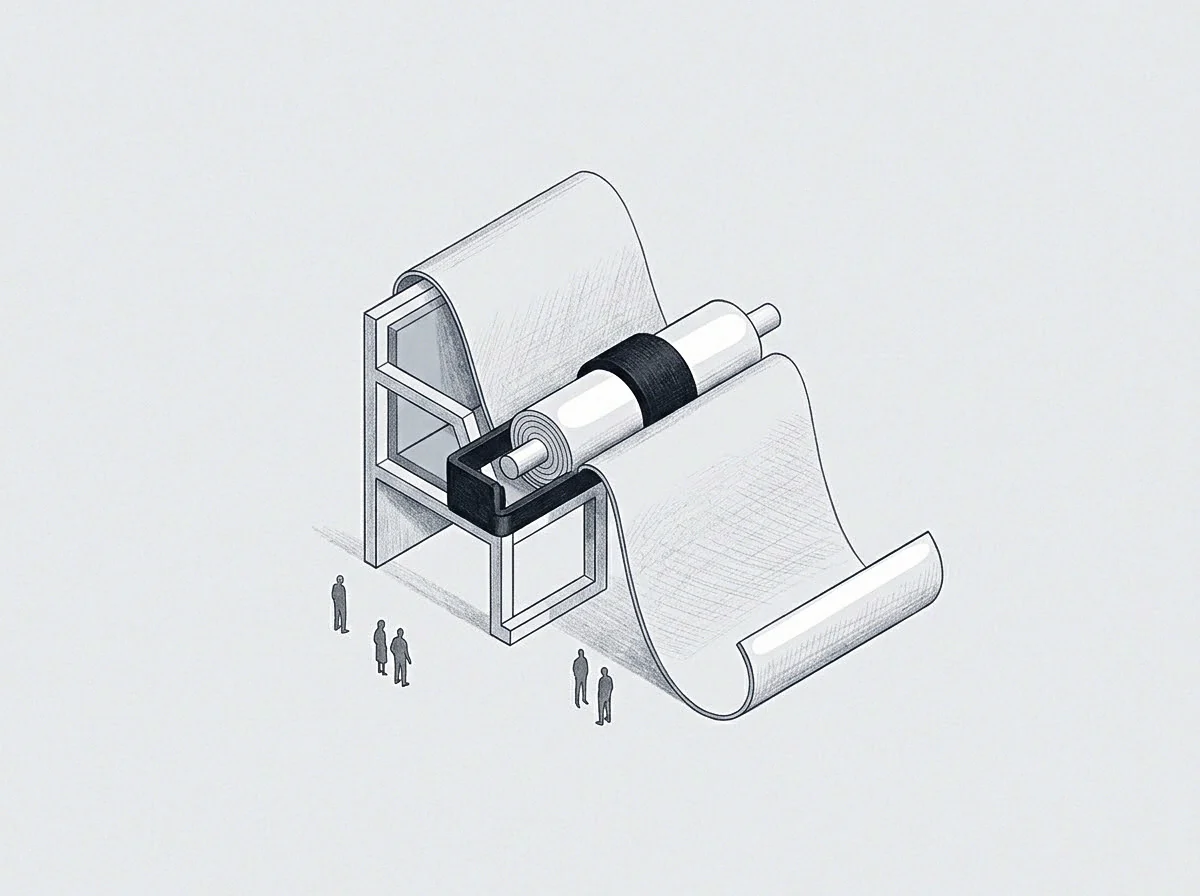
Informal Conduits in Daily Production
Engineers and coordinators do not protest poor systems indefinitely. They build silent bypasses to protect their immediate working hours.
- Shadow triage diverts unassigned production requests into direct messages to bypass the ticketing queue.
- Defensive documentation multiplies spreadsheets to safeguard against recurring handoff disputes between departments.
- Preemptive alignment consumes half of every technical sprint to negotiate unwritten jurisdictional boundaries.
- Manual reconciliation fills operational gaps where disconnected databases fail to exchange financial records automatically.
People reroute around dead software. Energy leaks into defensive documentation. When an approval process demands three executive signatures for a routine asset purchase, the team stops submitting requisitions.
They split invoices into small charges or borrow assets from adjacent groups.
When a procedural barrier imposes higher cognitive expenditure than an informal backchannel, operators follow the line of minimal effort regardless of policy.
Established ergonomics research confirms that minor workplace interruptions impose disproportionate recovery latencies, with workers spending over twenty minutes recovering procedural focus after an unscheduled disruption. This finding rests on laboratory knowledge-worker cohorts executing discrete procedural tasks. The introduction of asynchronous communication tools might alter these recovery latencies if teams buffer interruption pressure through queue management.
Even under buffered conditions, fragmented attention extracts a cumulative toll.
The official form takes two days to clear, so asking the lead in private chat gets the client onboarded before evening.
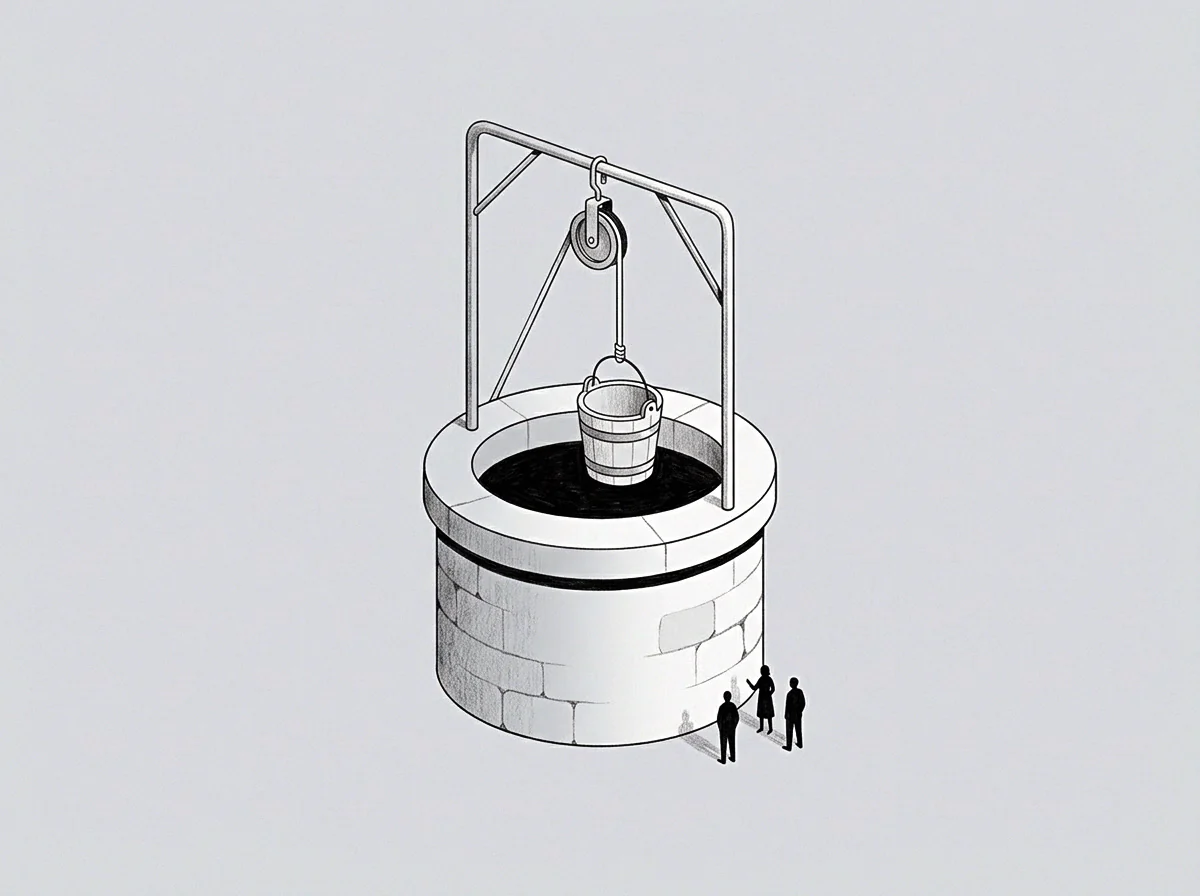
Toll
Accounting ledgers record cardinal figures, tallying vendor fees, software seats, and hourly wages. Operational drag imposes an ordinal burden on human attention, draining reserve energy that cardinal accounting systems fail to track.

Quantifying the Latent Operational Deficit
Evaluating hidden friction requires measuring the gap between planned procedural execution and actual compensatory behavior. The table below compares nominal production parameters against the observed reality of compensatory routing across four operational dimensions.
| Dimension | Nominal Process | Compensatory Bypass | Observed Latency Penalty |
|---|---|---|---|
| Client Access Provisioning | Automated central permission portal | Direct message escalation to infrastructure lead | Three hours waiting for personal response |
| Feature Specification Handoff | Asynchronous product specification sign-off | Ad hoc cross-departmental alignment calls | Four additional sync meetings per sprint |
| Expense Reimbursement | Tiered enterprise approval chain | Departmental card sharing among team leads | Two hours reconciling end-of-month statements |
| Bug Escalation | Categorized central bug tracker | Informal chat pings to sympathetic engineers | Interrupted deep work blocks across engineering |
Silence conceals the true expenditure. Every detour carries a price. When staff deploy manual effort to bridge disconnected software platforms, that manual effort represents unspent volume that could have fueled new product capability.
The organization operates below its true potential because its baseline capacity remains committed to patching structural seams.
An unstated operational bottleneck forces the surrounding team to supply manual energy to keep throughput stable.
Human factors engineering demonstrates that complex systems mask progressive degradation through operator improvisation until acute saturation occurs. This principle emerged from aviation operations where cockpit crews compensated for instrument inconsistencies through informal monitoring until workload spikes caused operational failure. The introduction of continuous telemetry monitoring alters this risk dynamic by recording human intervention rates.
In corporate administration without automated instrumentation, operator compensation conceals latent vulnerability until key personnel resign.
In naval architecture, biological growth along a vessel hull introduces hydrodynamic resistance long before the engine displays mechanical distress. The ship burns auxiliary fuel reserves to maintain expected nautical speed while the crew remains unaware of the accumulation below the waterline. Operational friction functions identically within a growing company.
A formal service level agreement that omits internal transit delay guarantees that operational expenditure stays hidden within unmonitored human intervention.

Valve
Administrative bottlenecks act as flow regulators that throttle throughput across upstream and downstream stations. Restricting intake at a central review station causes unassigned work to back up across adjacent departments.
Upstream Choke Points and Capacity Drains
Mapping hidden operational friction requires locating the specific points where work stalls and rerouting begins. The investigative sequence tracks the progression from initial hesitation to permanent operational detour.
- Identification of recurring approval delays during routine weekly deployments.
- Inspection of unlogged manual reconciliation between accounting databases.
- Documentation of undocumented secondary sign-offs imposed by middle management.
- Measurement of unrecorded coordination threads in informal messaging platforms.
The operator signs off blindly. The work continues on paper. Attention drains away from production.
When a legal department requires fourteen business days to review standard service contracts, commercial teams begin utilizing outdated templates without formal clearance. The commercial department preserves its sales volume by taking on legal exposure. The organization routes around an indecisive executive.
The desk cannot defend the exact arithmetic ratio converting unrecorded chat coordination into postponed core development. Under this uncertainty, the operator assumes an unmeasured coordination penalty equal to double the observed delay. This conservative multiple accounts for the cognitive context-switching cost that follows every informal escalation.
Whether an organization can dismantle an embedded informal backchannel without first resolving the underlying management deficit remains unanswered.

Fault
Structural boundaries appear precisely where an organization refuses to expend capital or political effort to correct an administrative defect. Avoiding a structural repair creates an institutional scar where compensatory habits harden into permanent operations.
Structural Reorganization at the Operational Boundary
The boundary marks the limit. The quiet team loses velocity. When an executive team avoids confronting an ineffective division head, the surrounding managers construct elaborate approval workarounds to proceed without that department.
The friction remains invisible on formal organizational charts. The entire company pays an ongoing tax in the form of duplicated roles and prolonged consensus building.
Compensatory habits harden into culture. New employees learn the unauthorized shortcuts during their first month on the job. Veteran staff teach newcomers which forms to ignore and which colleagues to approach directly.
This informal curriculum institutionalizes operational friction as standard operating doctrine.
Workarounds persist until the cost of maintaining the detour exceeds the pain of confronting the barrier.
Exposing hidden friction requires removing the manual bypass. Shutting down the shadow spreadsheet forces the true latency of the enterprise software into daylight. Forbidding backchannel direct-message escalations forces the ticketing system to register its actual queuing delay.
Operational confrontation brings the system to a temporary halt, revealing the precise coordinate of administrative failure.
Direct confrontation with an operational bottleneck succeeds only after the manual bypass is intentionally shut down.