
Mapping Autonomous Business Unit Capacity Vectors To Audited Balance Sheet Settlements
Mapping autonomous unit operational capacity to balance sheet settlements reconciles raw functional output vectors with audited intercompany liabilities.

Rig
Operational units in decentralized enterprises build momentum through compute capacity, engineering hours, and physical infrastructure. When an independent business segment expands its output potential, its functional readiness increases on an ordinal scale. Corporate accounting systems, by contrast, record activity strictly in monetary figures on audited financial statements.
Reconciling the two requires systematic mapping between real-time capacity and audited entries.
Capacity precedes capital.
An autonomous unit measures performance through throughput, delivery frequency, and system availability. Internal financial controls measure it through accruals, capitalized asset entries, and intercompany receivables. When units transfer work, services, or shared compute resources across internal boundaries without matching financial entries, unrecorded balances accumulate.
This capacity drift distorts operational margins and leaves corporate controllers with unallocated operating expenses during annual consolidation.

Primary Operational Metrics And Financial Recognition
Corporate financial statements turn internal capacity into monetary figures using cost accounting rules. Engineering sprint velocity, data pipeline throughput, and facility utilization rates remain physical measurements until accounting policy reclassifies them into recognized assets or deductible expenses. Without explicit transfer pricing models, technical teams consume capital while ledgers show no matching revenue generation within the unit.
An operational capacity vector converts directly into an asset when transfer terms set the internal settlement price before execution.
Consider an internal software platform unit that spends forty percent of its engineering headcount building proprietary infrastructure for a downstream retail unit. Operational output is high, yet the platform unit’s balance sheet records only payroll and rent. The downstream retail division gains valuable infrastructure without recording a capital asset purchase or service expense.
Work bypasses formal accounting because immediate technical delivery takes the easiest path. Over three financial quarters, this inflates the retail unit’s apparent profitability while turning the platform unit into an underperforming cost center.

The Operational Baseline
The operational baseline is the core capacity a business unit needs to fulfill its independent mandate. Output beyond this baseline represents surplus capacity available for internal transfer or external commercialization. Because internal transfers alter the operational balance between divisions, tracking the volume and direction of resource flows before financial reconciliation is essential.
Vectors carry no currency.
Unspent volume remains idle.
Failing to quantify internal resource transfers distorts operational metrics, creates unexpected intercompany tax liabilities, and forces auditor adjustments during year-end statement certification.

Transfer
Moving operational assets across business units requires structured pricing mechanisms to maintain financial visibility. Internal pricing models determine how controllers allocate corporate overhead, shared research facilities, and cross-divisional service use. Without standardized pricing schedules, business unit leaders default to informal arrangements that bypass financial controls.
Intercompany friction accumulates quickly.
Accounting standards require cross-border and cross-divisional exchanges to reflect arm’s-length transaction principles. When an autonomous operational division provides technical components or analytical support to another branch, financial teams reclassify that output as an intercompany transaction. Converting physical capacity into ledger settlements depends on four key attributes that define exchange value.

Structural Vector Components In Operational Output
Evaluating the financial substance of internal service delivery requires breaking functional output into measurable operational segments.
- Technical Latency Allowance sets the acceptable delay between internal capacity reservation and actual delivery across units.
- Execution Throughput Margin quantifies the maximum operational volume a production unit can deliver without degrading core commitments.
- Capitalized Engineering Hours isolates software engineering labor that produces long-term intangible assets eligible for capitalization.
- Reserve Infrastructure Volume measures standby compute or facility capacity kept to absorb unexpected demand spikes across divisions.
Friction alters internal pricing.
When operating divisions set internal pricing without documentation, tax authorities can recharacterize transfers as constructive dividends or unrecorded management fees. That leads to penalties, back taxes, and delayed audit sign-offs. Documented intercompany agreements ensure operational volume translates cleanly into valid journal entries.
Unrecorded intercompany capacity transfers accumulate as off-balance liabilities that trigger unexpected audit adjustments during year-end reporting.
A formal intercompany service agreement replaces informal arrangements by converting operational output metrics directly into legally binding financial clearing obligations.

Audit
External auditors evaluate financial statements against strict accounting standards to confirm that recorded asset values reflect underlying economic substance. Independent reviews scrutinize intercompany receivables and capitalized software development expenses to verify that internal resource allocations generate actual economic benefit. Operational logs provide the evidence needed to substantiate internal ledger entries.
Audit standards demand proof.
Ledgers demand discrete values.
Discrepancies between operational delivery logs and financial ledgers prompt accounting adjustments during certification. Controllers compare technical performance metrics against ledger entries to verify that capitalized costs reflect actual additions to productive capacity.

Does Formal Accounting Verification Capture Technical Capacity?
Integrating technical throughput data with corporate ledger systems resolves discrepancies between functional output and asset values on financial statements. Financial teams use structured accounting models to convert operational execution into audited asset balances.
| Accounting Model | Primary Settlement Instrument | Audit Verification Friction | Balance Sheet Impact |
|---|---|---|---|
| Cost-Plus Intercompany Agreement | Monthly Intercompany Invoice | Low verification overhead due to predefined markup rates | Generates clear intercompany accounts receivable and payable balances |
| Capitalized Intangible Asset Entry | Internal Development Log Settlement | High verification friction requiring detailed developer time tracking | Increases non-current intangible assets and reduces current operating expenses |
| Real-Time Internal Clearinghouse | Automated Ledger Clearing Token | Moderate friction contingent on automated system audit trails | Maintains continuous real-time balance sheet clearing with minimal accrual lag |
| Data reflects corporate accounting control practices across multi-divisional enterprises. | |||
Choosing an appropriate accounting framework prevents internal capacity drift from compromising statement accuracy.
Intercompany capacity settlements align with audit standards when operational logs match financial ledger timestamps.
Internal accounting reviews conclude that unverified operational transfers lack the documentation required for balance sheet asset recognition.

Disparity
Variances between operational potential and recorded balance sheet values signal structural friction inside corporate governance models. An operational team might report ninety-nine percent system availability and rapid feature deployment while its internal income statement shows sustained operating losses. This gap highlights a misalignment between functional performance metrics and formal accounting rules.
The boundary shifts inward.
Off balance assets decay.
Reconciling this divergence requires aligning internal capacity metrics with audited balance sheet schedules. Controllers follow a sequential protocol to establish precise financial values for operational execution vectors.

Sequence Of Technical Alignment
Aligning operational vectors with balance sheet accounting requires systematic data collection and formal journal entries across functional units.
- Define the baseline operational capacity vector across all functional divisions.
- Establish continuous logging of intercompany resource consumption.
- Apply standard cost pricing to raw operational hours.
- Post interim journal entries to reflect pending intercompany receivables.
Capital tracks operational reality.
Measurement precedes formal entry.
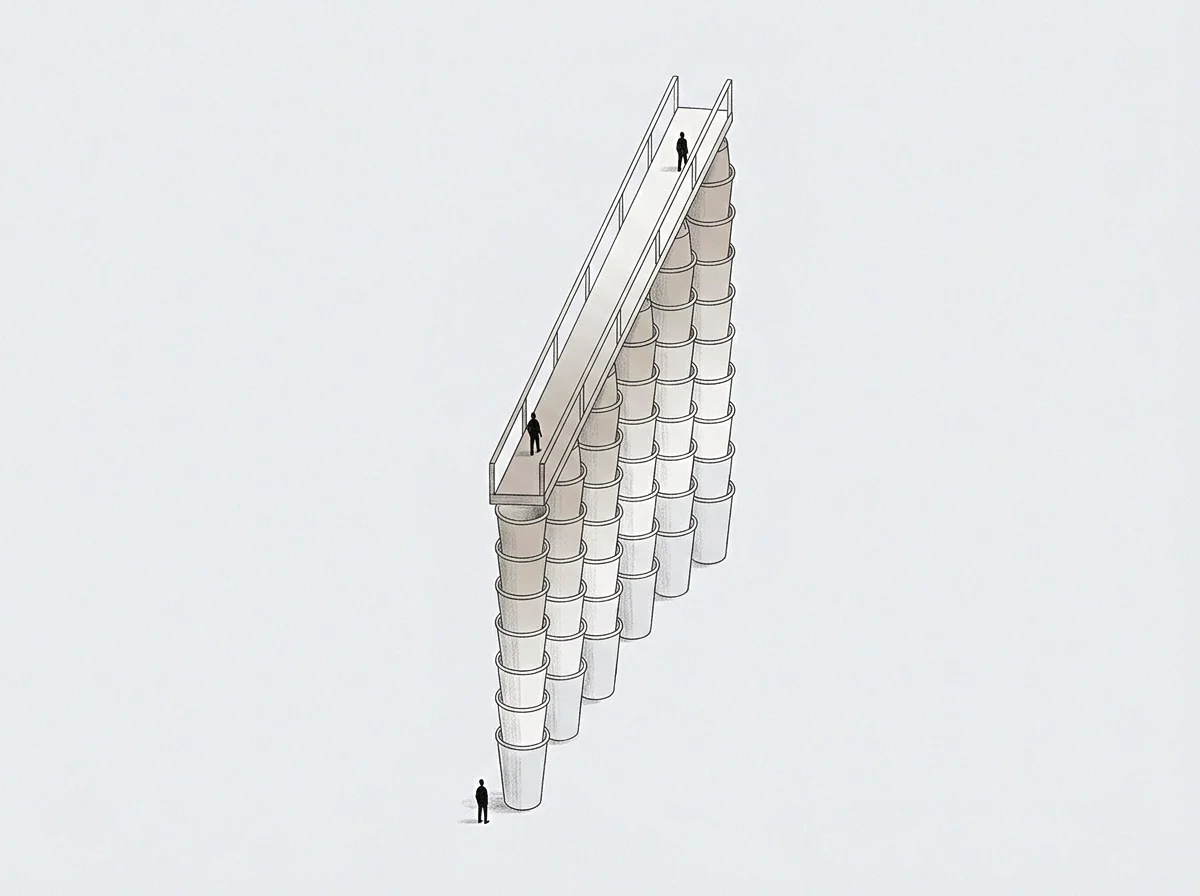
What specific valuation threshold converts an unpriced internal compute vector into a reportable balance sheet asset when market pricing mechanisms are absent?
Settlement
Final balance sheet clearing resolves temporary intercompany accruals through formal financial transactions or permanent internal equity adjustments. When corporate finance teams reconcile intercompany balances, they eliminate offsetting receivables and payables during consolidation. Clean reconciliation removes off-balance-sheet capacity drift and ensures reported divisional capital figures match actual functional execution.
Corporate balance sheets reflect history.
Operational units that maintain continuous reconciliation protocols experience minimal financial adjustments during annual independent accounting reviews. Establishing precise conversion factors between functional vectors and journal entries preserves the integrity of internal financial reporting.

Final Ledger Reconciliation
Automated reconciliation protocols match operational resource usage timestamps directly with corporate accounting entries. This continuous alignment minimizes manual accrual adjustments at year-end. Financial control functions maintain clear audit trails by linking physical capacity delivery logs directly to balance sheet clearing entries.
Unresolved intercompany discrepancies dissolve when corporate finance establishes clear operational capacity standards.
Aligning internal capacity metrics with financial accounting schedules ensures accurate balance sheet presentation across all operating divisions.