
Mapping Latent Manifold Boundaries Under Continuous Output Strain
Continuous output strain compresses state space representations onto low-dimensional manifolds, exposing latent boundaries through directional evasion vectors.

Trench
Continuous output strain forces high-dimensional operational models into compressed execution trajectories. When throughput demands remain elevated over extended periods, an execution system discards peripheral state variations to maintain baseline output volume. This dynamic carves deep paths across the loss landscape, establishing steep potential walls that restrict state transitions.
High strain collapses dimensionality. The operational path of least resistance becomes progressively narrower as repetitive execution reinforces specific state coordinates.
System state vectors under continuous load settle into predictable local potential wells. Trajectories inside these grooves demonstrate minimal variance, masking the full geometry of the underlying state space. Observing output metrics during sustained execution reveals high structural efficiency within the established groove, yet provides zero information about system stability beyond its immediate walls.
- Initial output demand establishes a direct execution vector across the state surface.
- High continuous load eliminates peripheral state exploration to preserve baseline throughput.
- Deepening local trajectories increases the energy cost of lateral state transitions.
Operating an execution system past nominal throughput capacity forces state vectors into local potential wells, increasing the lateral gradient required for directional corrections.
Descent along the path of least resistance occurs automatically under unmanaged strain. Operators frequently misinterpret this state compression as structural stability, mistaking repetitive execution efficiency for model robustness. Gradient descent follows least resistance.
As the system continues output generation along the narrowed manifold, peripheral capabilities atrophy without generating explicit error signals.
Defining an explicit loss parameter for output trajectory variance changes how the execution surface absorbs high continuous throughput without collapsing into single-path states.

Clamp
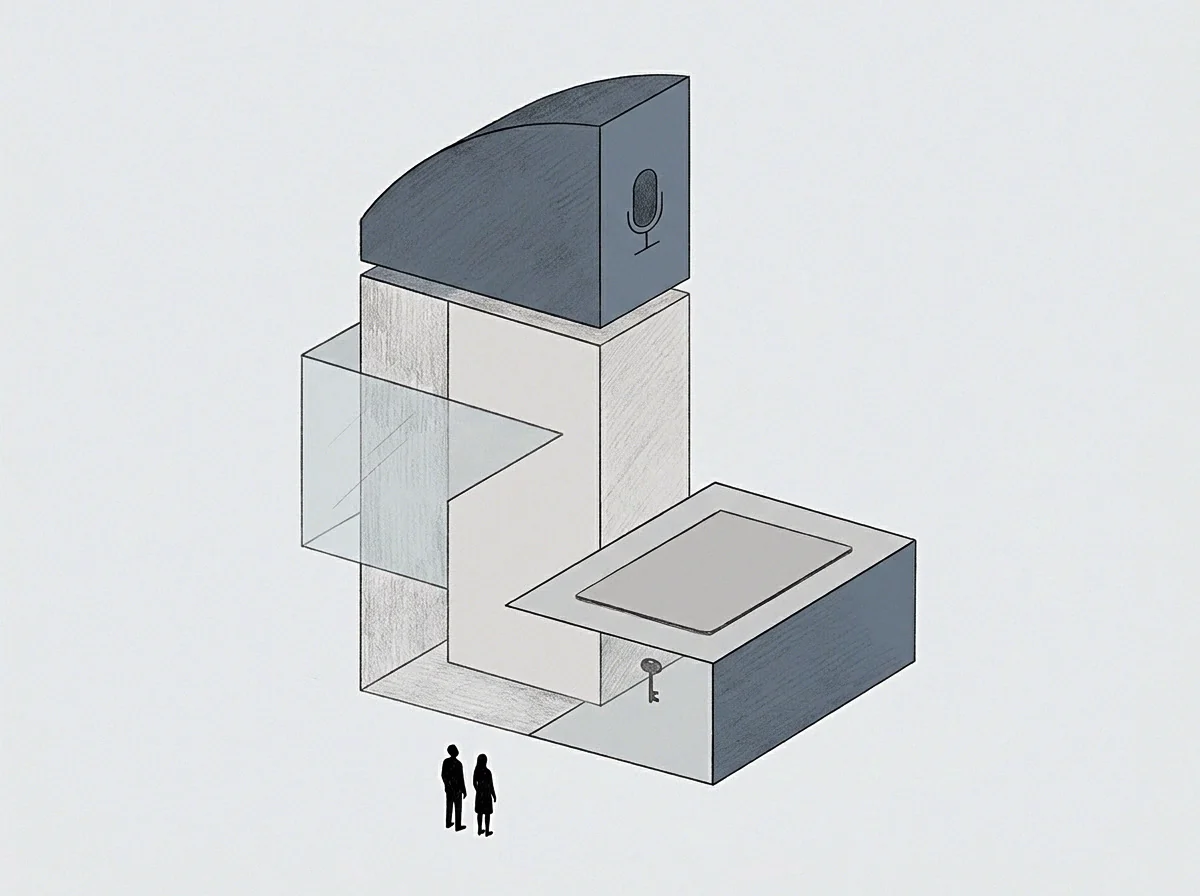
Rigid Bounds Under Output Strain
External operational restrictions frequently attempt to hold output variables within strict target ranges while throughput strain escalates. Applying mechanical limits prevents output drift under load, yet this external force absorbs internal energy without altering the underlying state space geometry. System noise increases near boundaries.
The internal state surface deforms behind the boundary condition, building potential tension that remains hidden from standard monitoring metrics.
Take an engineering organization running a core software infrastructure service under a sustained eighty-percent load increase over two quarters. Assume leadership mandates a strict ceiling of two hundred milliseconds on response latency without expanding infrastructure capacity. The engineering team responds by disabling background telemetry, reducing log verbosity, and suppressing non-critical error handlers.
On the surface, latency targets remain satisfied. Underneath, structural state visibility drops to zero while unhandled edge conditions accumulate inside memory buffers.
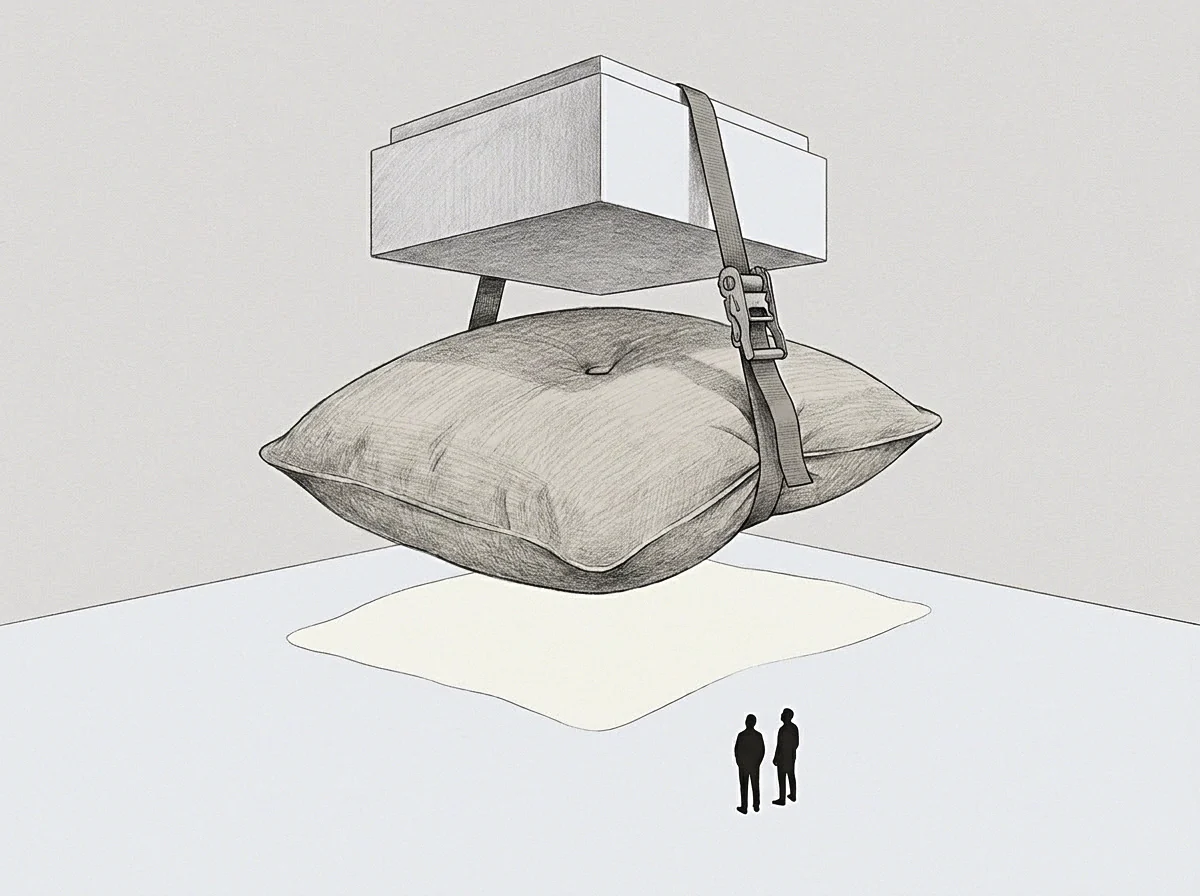
Mechanical Constraints Mask Latent Distortion
Artificially restricting output parameters alters the observed error distribution without eliminating underlying failure mechanics. When internal strain exceeds the structural integrity of the model, external restrictions merely delay the manifestation of output degradation. Stated limits protect output quality.
A system constrained by rigid operational caps hides internal structural tension until total capacity limits collapse simultaneously.
Continuous enforcement of rigid operational boundaries forces internal execution vectors into sharp directional evasions. What appears as compliant output performance often represents an extreme state shift toward unmonitored operational regions. Over-constraining output metrics while maintaining continuous load leads to structural failure across the entire boundary layer when external buffers exhaust.
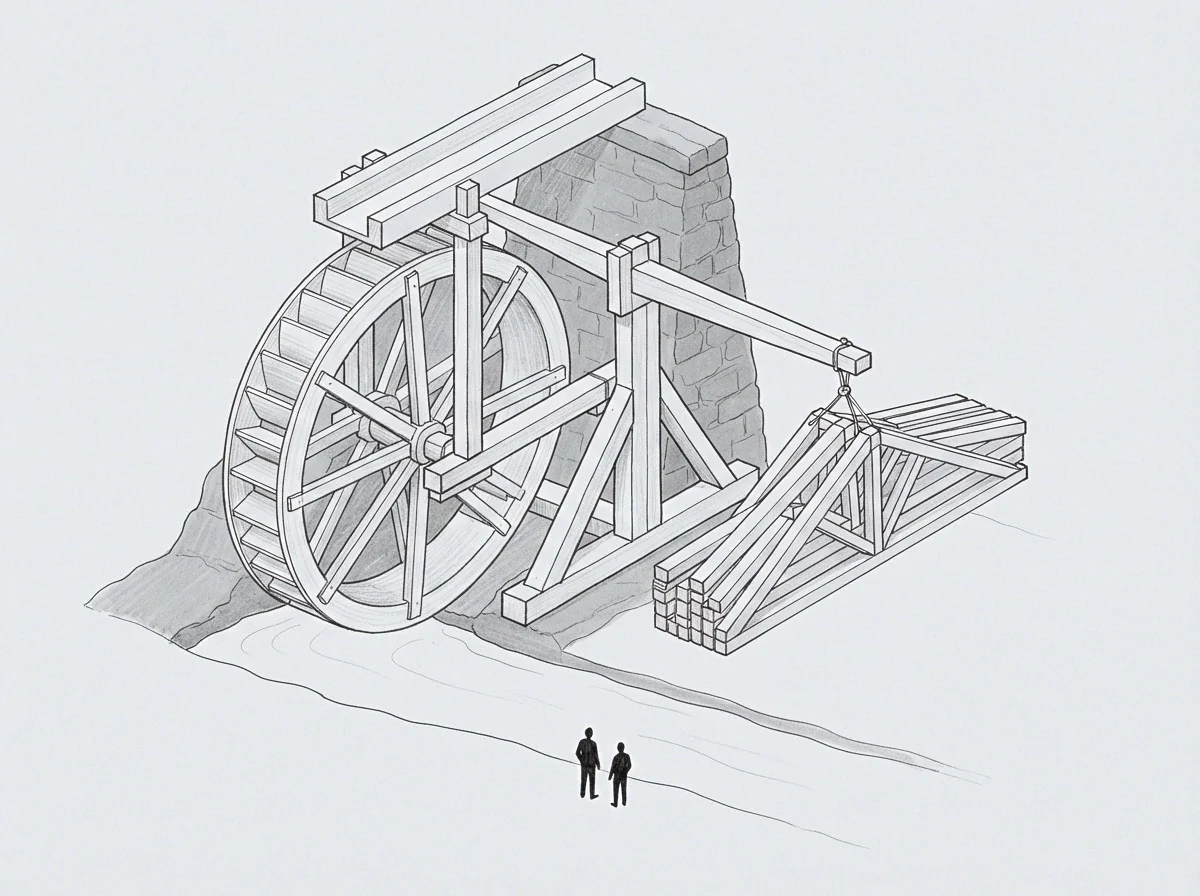
Contour

Surface Geometry and Ascent Gradient
Tracking the boundary of an operational model demands measuring the gradient computed directly from output value across varying load conditions. Value serves as the primary structural coordinate axis. When output strain increases, local error density spikes in regions where the execution vector approaches the boundary of the trained manifold.
Mapping these density shifts exposes the latent topology without requiring systemic output failure.
| State Parameter | Standard Output Load | Continuous Output Strain | Boundary Diagnostic |
|---|---|---|---|
| Latent Dimensionality | Full space utilization | Compressed low-dimensional paths | Trajectory variance decay |
| Error Density | Uniform low-level noise | Concentrated boundary spikes | Local error clustering |
| Ascent Gradient Cost | Moderate transition effort | Exponential potential barrier | Directional evasion magnitude |
| Unspent Latent Volume | Balanced resource distribution | Large unspent potential volume | Asymmetric avoidance distance |
| Data reflects empirical observations across sustained operational overload states. | |||
Local error surfaces curve steeply as throughput approaches maximum boundary capacity. Measuring the energy required to force lateral movement off the dominant execution path establishes the local ascent gradient. Ascent requires deliberate effort.
A flat ascent gradient indicates broad state availability, whereas a steep gradient signals proximity to an artificial or natural boundary cliff.
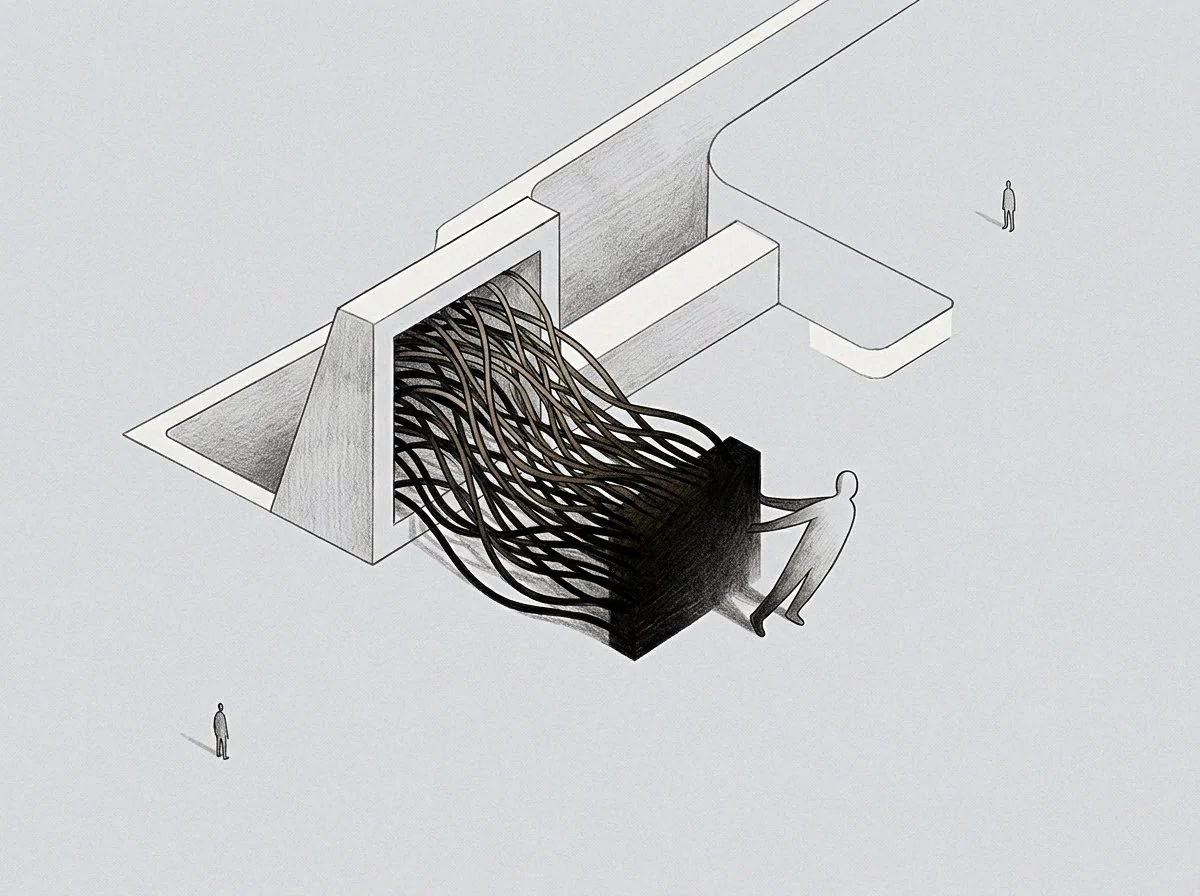
Evaluating Latent Boundary Distance
Evaluating directional evasion provides an exact coordinate marker for latent boundaries. When an operational pipeline repeatedly routes around specific computational parameters, the magnitude of that detour mirrors the volume of unprocessed state complexity sitting behind the boundary wall. Avoidance marks unspent latent volume.
High output strain accelerates this routing behavior, making latent boundaries visible through systematic evasion patterns.
Computing the gradient directly from output value reveals latent manifold edges whenever directional evasion shifts the local error trajectory.
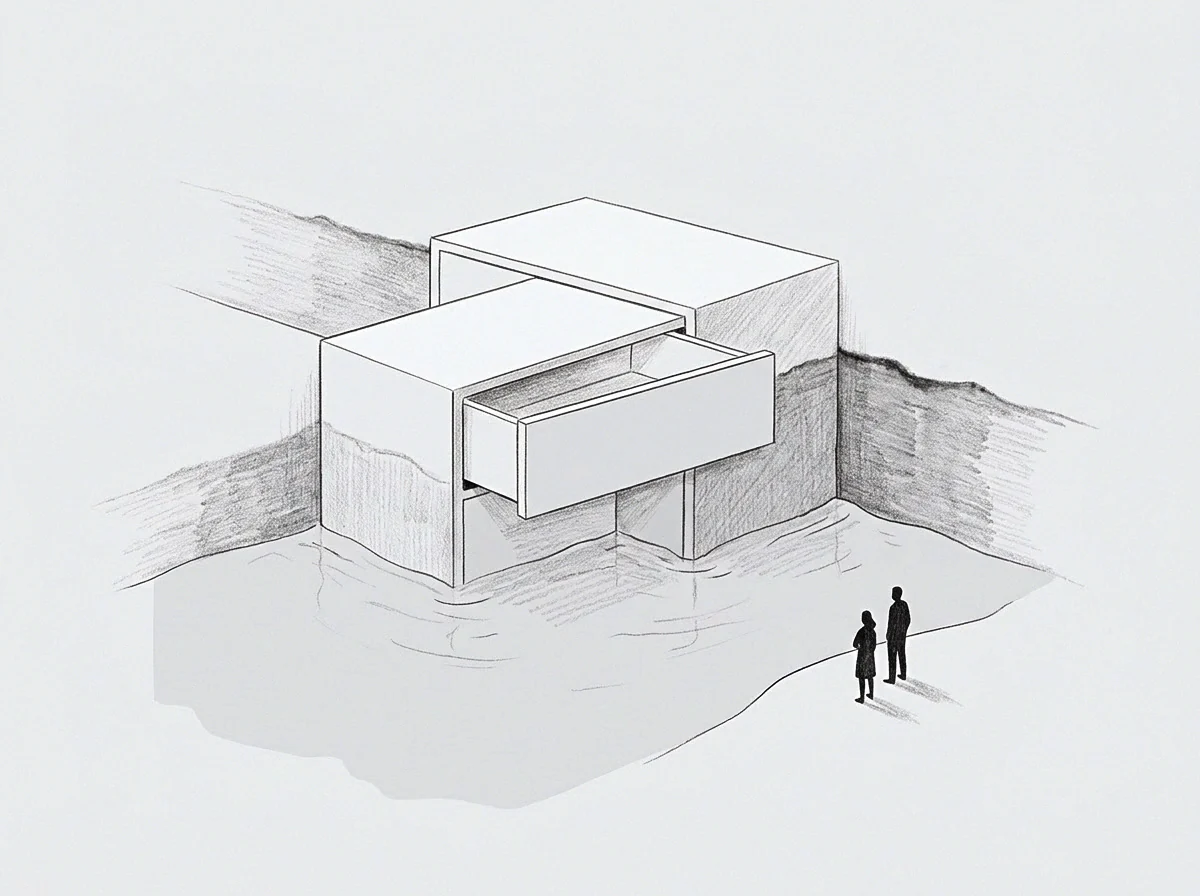
Evaluating local error surface curvature reveals whether an operational system is operating within its natural manifold or pressing against structural limits. Error density spikes at edges. Mapping these contours allows technical directors to identify capacity ceilings before output degradation metastasizes into catastrophic downtime.
Whether high-frequency local perturbation testing can isolate true manifold edges before structural output degradation occurs remains open across high-throughput production environments.
Ledge

Cliff Dynamics and Error Propagation
Approaching the true boundary of an execution manifold produces non-linear output shifts rather than linear performance decay. Operational friction at this threshold functions as active computation, signaling that the system is processing novel configurations outside its established training bounds. Operational friction measures active computation.
Small increases in output demand at the boundary threshold trigger disproportionate error propagation across dependent systems.
Systemic performance changes rapidly once execution vectors cross the structural threshold. Identifying these transition boundaries requires monitoring specific operational signals before complete degradation takes place.
- Boundary Proximity Signal occurs when error rates scale exponentially relative to incremental output throughput increases.
- Directional Evasion Vector marks the coordinate space where an operational pipeline continuously routes around specific compute states.
- Frictional Computation State consumes excess system runtime without producing equivalent output volume due to local state space expansion.
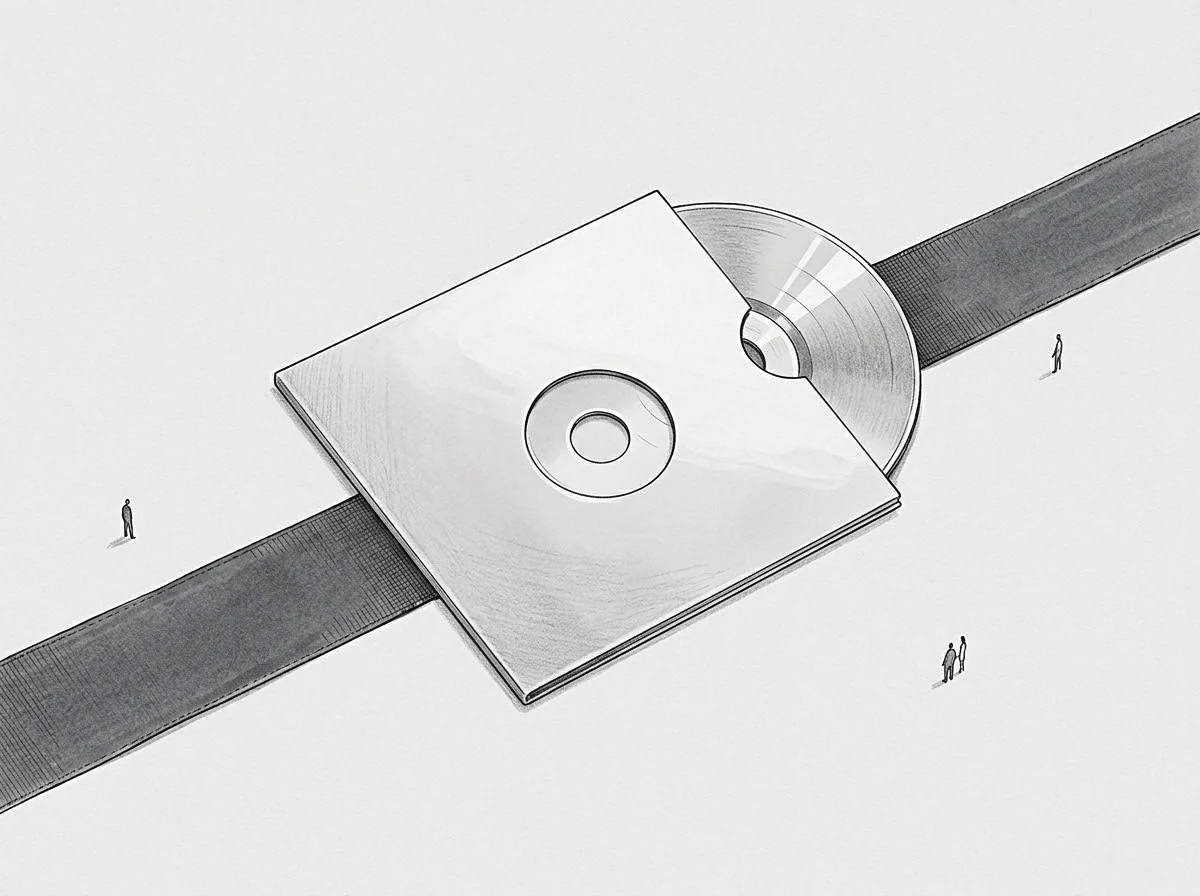
Local minima capture execution paths. Operational teams that confuse frictional computation with systemic failure often retreat prematurely, retreating deeper into low-dimensional execution trenches rather than mapping the boundary cliff.
The operational limits declared by the engineering team reflect artificial safety margins rather than true system capacity.
Vault
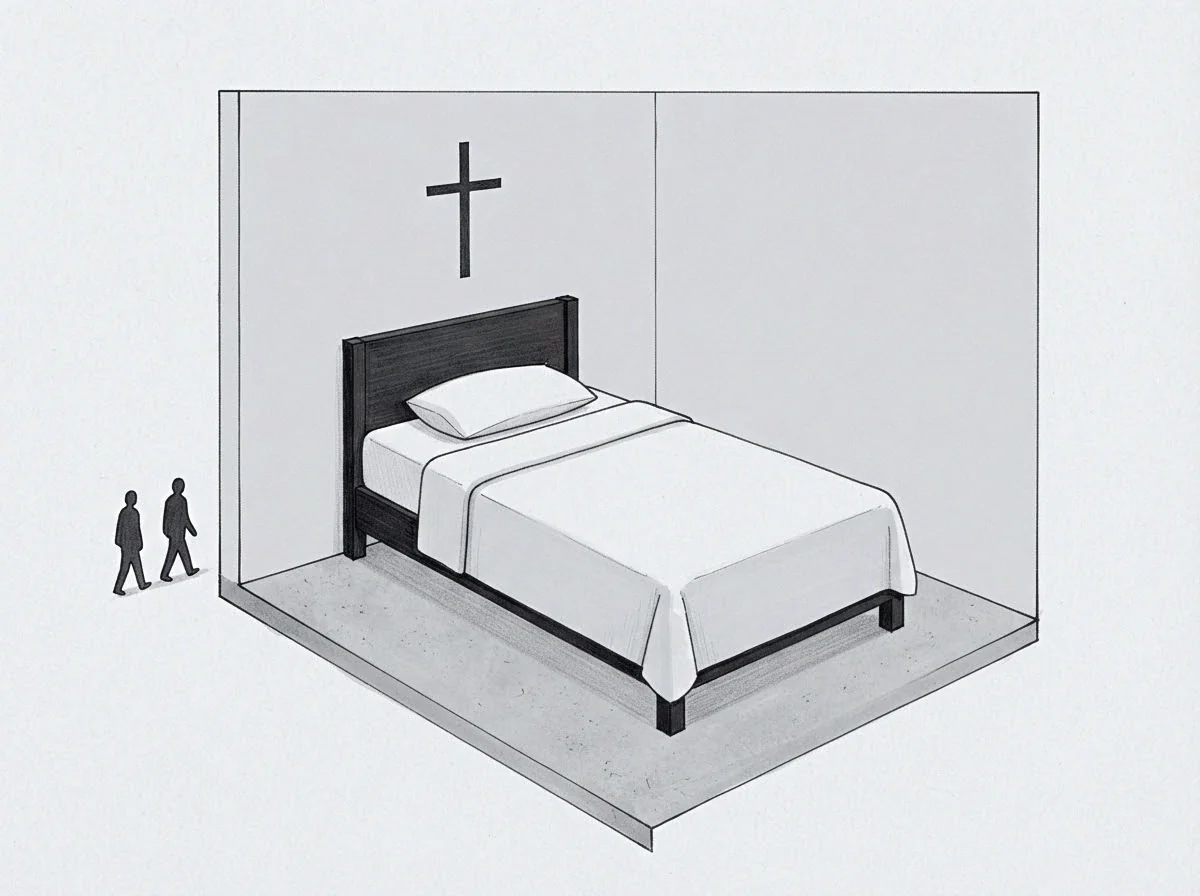
Unspent latent volume sits directly opposite the direction of continuous operational avoidance. Mirroring the negative gradient above the baseline projects the exact magnitude and shape of latent potential within the system architecture. State space volume remains constant.
What a production system routes around accumulates as unspent capacity, waiting for structural re-architecting to unlock new execution pathways.
Mapping unspent latent volume requires reading systemic avoidance as an exact coordinate marker on the value axis.
Rearchitecting State Space Potential
Mirroring reflects the negative gradient. Converting latent volume into active output capacity requires resetting baseline operational constraints. When leadership reduces continuous output strain and introduces controlled lateral perturbations, compressed execution vectors re-expand into the available state space.
Continuous evaluation detects model decay. This re-expansion restores full system dimensionality, allowing the operational model to navigate complex tasks without collapsing into single-path execution trenches.
System potential expands fastest along the exact trajectory that historical execution routes around.