Meaning
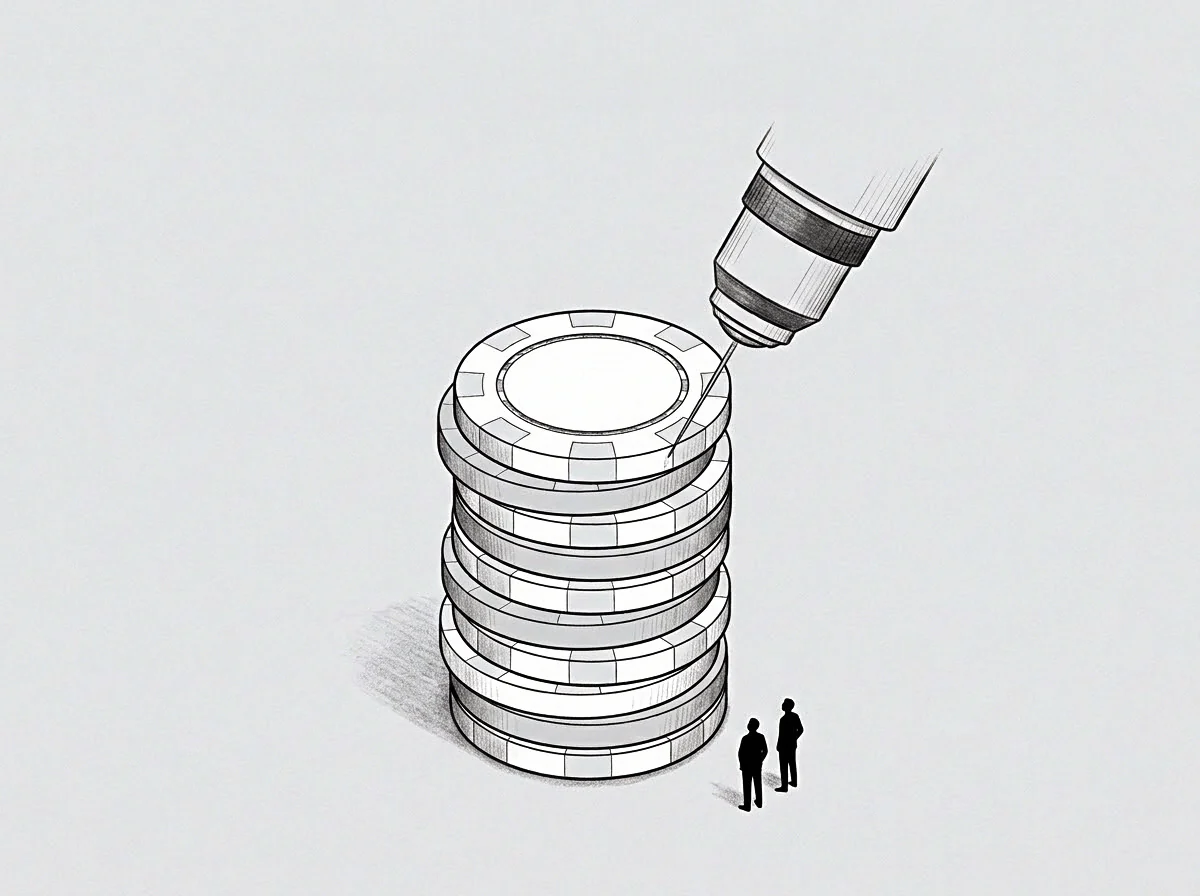
Unexpressed demand and unused operational capacity represent potential transaction density that has not yet been realized in the active market. Within post-founding operations, latent volume designates the inventory or service units that are available for delivery but remain uncalled due to pricing barriers, contract restrictions, or distribution friction. This hidden capacity can be activated quickly without a proportional increase in fixed infrastructure costs.
It constitutes a reserve of economic value that founders can deploy to defend market share or absorb demand spikes.
Capacity Activation
Service organizations frequently maintain personnel and infrastructure to meet peak demand levels. This baseline setup creates latent volume during off-peak hours or periods of market quiet. Activating this capacity requires dynamic pricing strategies or flexible service contracts that draw in marginal users who are price-sensitive.
It converts underutilized resources into direct revenue streams.
Market Friction
Distribution channels and contract terms often block the natural flow of supply to demand. The presence of latent volume indicates that transaction costs or procedural delays are preventing buyers from accessing the available capacity. Removing these barriers allows the market to clear more efficiently, bringing the latent capacity into the active transaction ledger.
This release stabilizes the operating margin during expansion.
Asset Velocity
Asset utilization measures how quickly a firm generates transactions from its base resources. High levels of dormant capability slow down asset velocity and lower the overall return on invested capital.