
Measuring Systemic Regression Thresholds Under Sustained Gradient Ascent Reconfiguration Pressure
Continuous force on an operational slope causes hidden structural degradation before baseline performance collapse occurs.
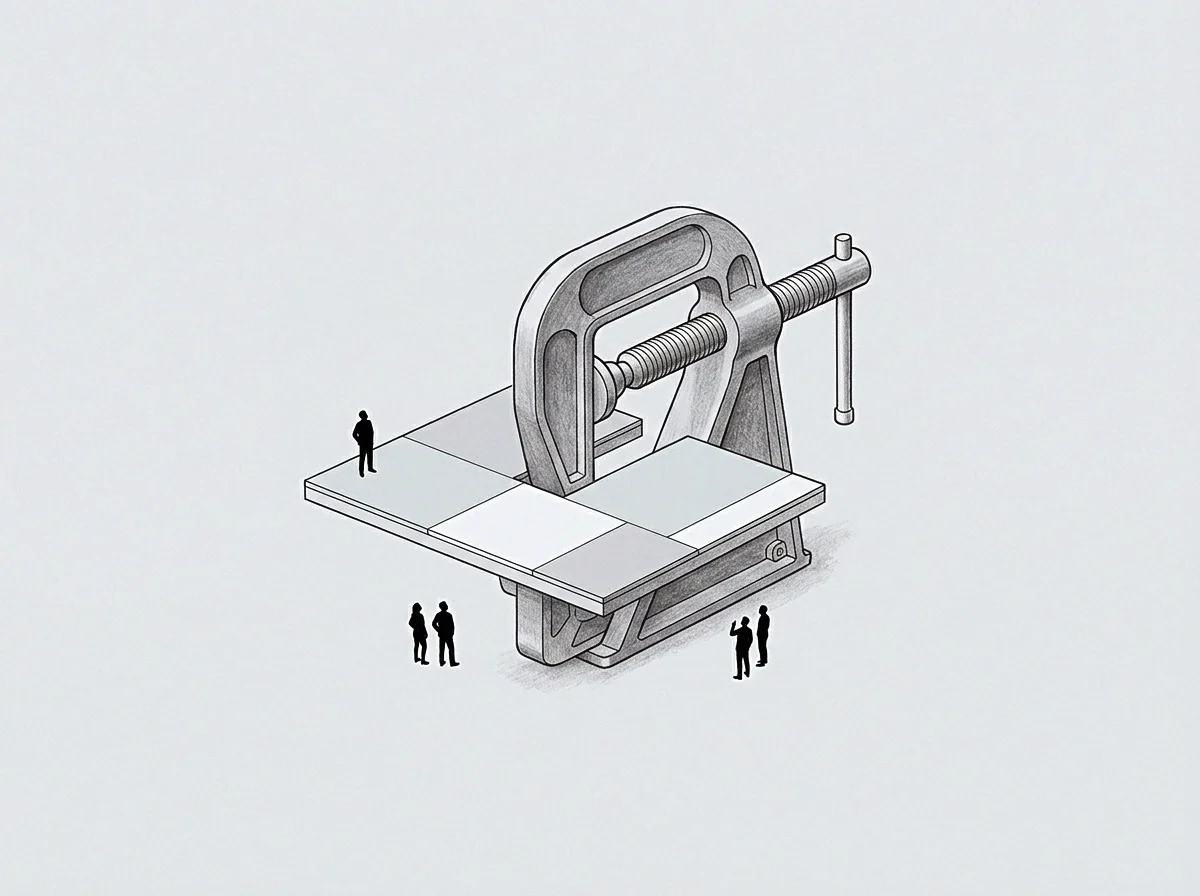
Gauge
Rapid reconfiguration under sustained ascent forces an operational baseline to absorb structural tension. The core distinction lies between immediate output velocity and latent regression capacity. While surface indicators report uninterrupted forward progress, internal error-handling buffers compress under relentless directional push.
A system climbing a performance curve splits its capacity between generating active throughput and maintaining structural stability. Optimization models that track only surface metrics hide the steady depletion of resilience buffers until the boundary breaks.
Operators frequently misread early stability as proof of unbounded elasticity. When execution metrics remain high despite escalating internal friction, the core architecture substitutes buffer volume for structural integrity, routing around friction until capacity runs out.
Every operational state has a precise ceiling beyond which adaptation turns into destructive deformation. Tracking this limit requires isolating baseline signals from the noise of temporary interventions. The value axis measures real holding capacity against forced output pressure, yielding a gradient calculated strictly from the underlying structural state.
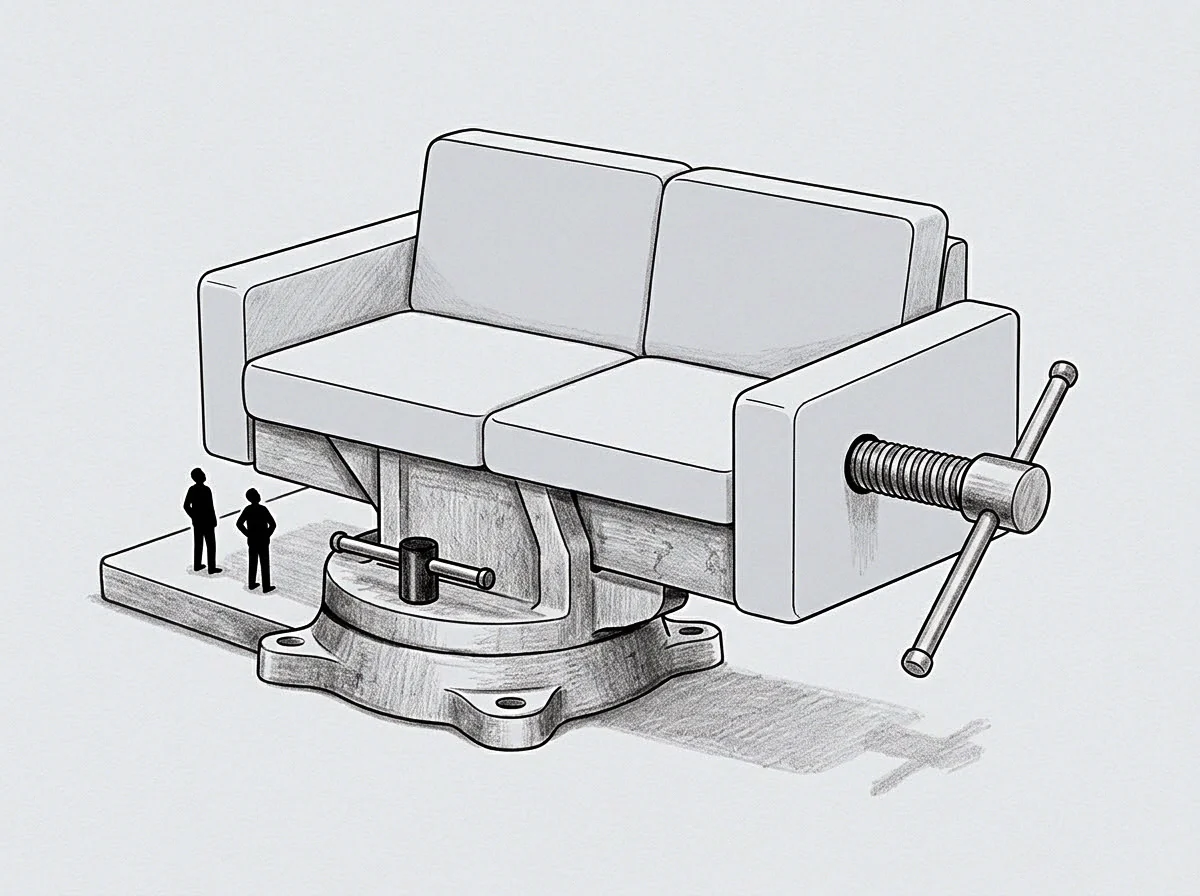
Baseline Variance versus Structural Shift
Short measurement windows obscure the accumulation of structural strain. Initial reconfiguration efforts appear successful because the system consumes its localized redundant capacity first, masking the actual slope of structural degradation.
To bypass operational debt, the system shifts load onto secondary loops. The baseline holds temporarily, but maintaining output under elevated pressure becomes exponentially more expensive. As ascent pressure persists, the gap between surface performance and the true underlying state widens.
A system forced into steep gradient ascent absorbs external pressure by sacrificing internal error-correction capacity before output metrics register a decline.
When measuring these transitions, ordinal cost vectors reveal early degradation patterns long before cardinal metrics show variance. A system can maintain stable throughput pricing even as internal operational capacity drops toward zero. Catching this divergence requires tracking the exact point where workaround volume surpasses core throughput volume.
When the baseline observation window drops below ninety days, the computed regression boundary shifts downward by twenty percent.
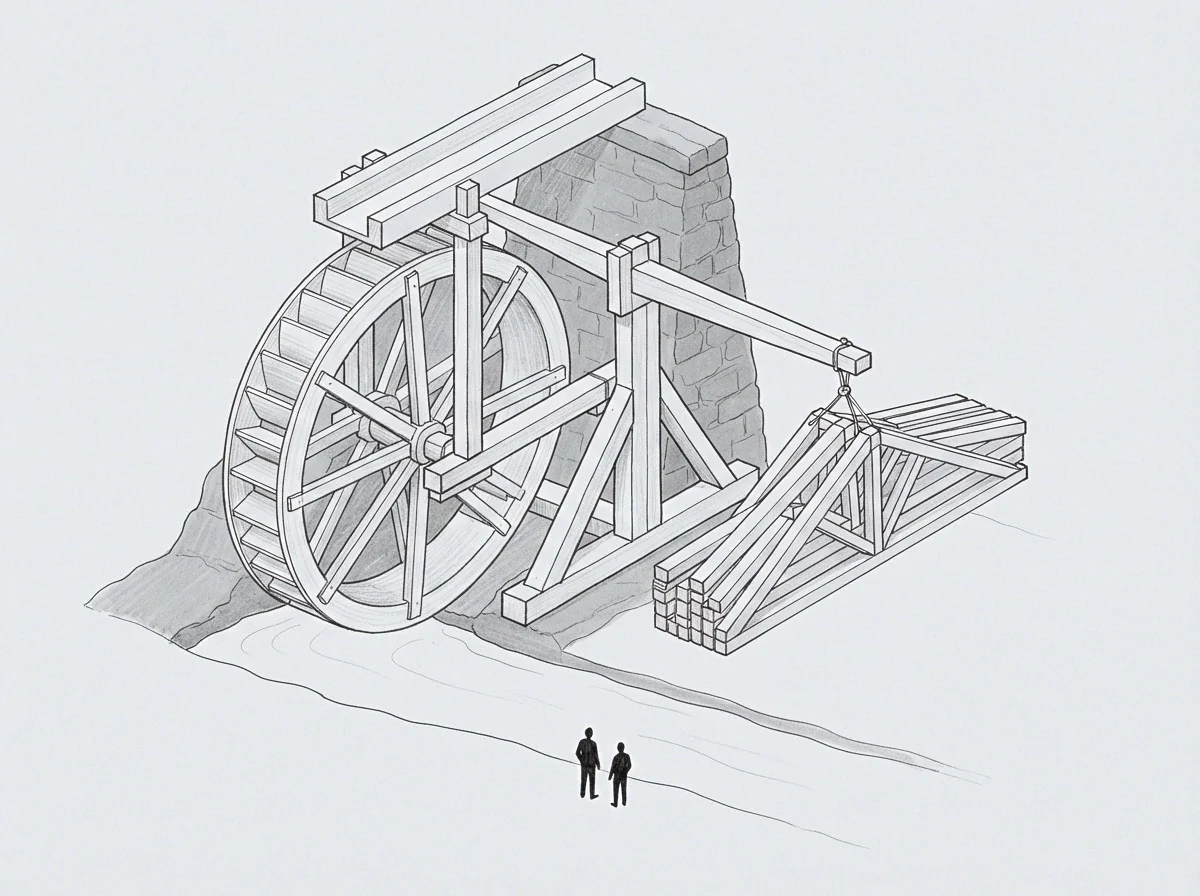
Shear
Directional force applied during rapid scaling creates internal mechanics where functional layers disconnect. The rate of structural reconfiguration often outpaces the system’s underlying integration capability. When gradient ascent is enforced continuously, higher-order operational functions draw energy away from essential stability routines.
This structural misalignment produces measurable internal friction. Lower layers retain legacy baseline dynamics while upper layers are forcibly modified to meet new throughput demands. The resulting velocity differential creates severe internal shear, straining structural anchors and degrading internal coherence.
Operators often misread early baseline stability. The system copes with structural fractures by expanding manual coordination, and this extra effort conceals the precise threshold where functional failure becomes inevitable.

Mechanical Load Distributions Across System Layers
The distribution of stress across an operational topology follows predictable geometric lines. Primary components absorb initial vector realignment and transfer residual strain to peripheral support structures.
When primary components reach saturation, structural strain spills into validation routines. Testing cycles get shortened, documentation is deferred, and monitoring thresholds are widened to prevent premature system alerts. This preserves the appearance of efficiency while functional stability erodes.
Sustained structural deformation without a baseline reset reduces maximum reconfiguration potential by a measurable ordinal factor.
Evaluating this structural shift requires contrasting localized efficiency claims with macro-level load dynamics. Local optimization frequently accelerates systemic failure by concentrating pressure onto unmonitored structural nodes.
| Evaluation Vector | Local Optimization Model | Structural Stress Model |
|---|---|---|
| Primary Signal Source | Immediate performance output metrics | Internal energy absorption rate |
| Error Interpretation | Transient operational variance to override | Cumulative strain on holding capacity |
| Threshold Detection | Output drop below target baseline | Non-linear rise in reconfiguration resistance |
| Recovery Mechanism | Increased gradient ascent force | Systemic load reduction and baseline reset |
Continuous force applied across an unaligned architecture guarantees immediate localized yields at the expense of systemic longevity. Treating structural deformation as temporary noise destroys core holding capacity and accelerates unexpected system collapse.
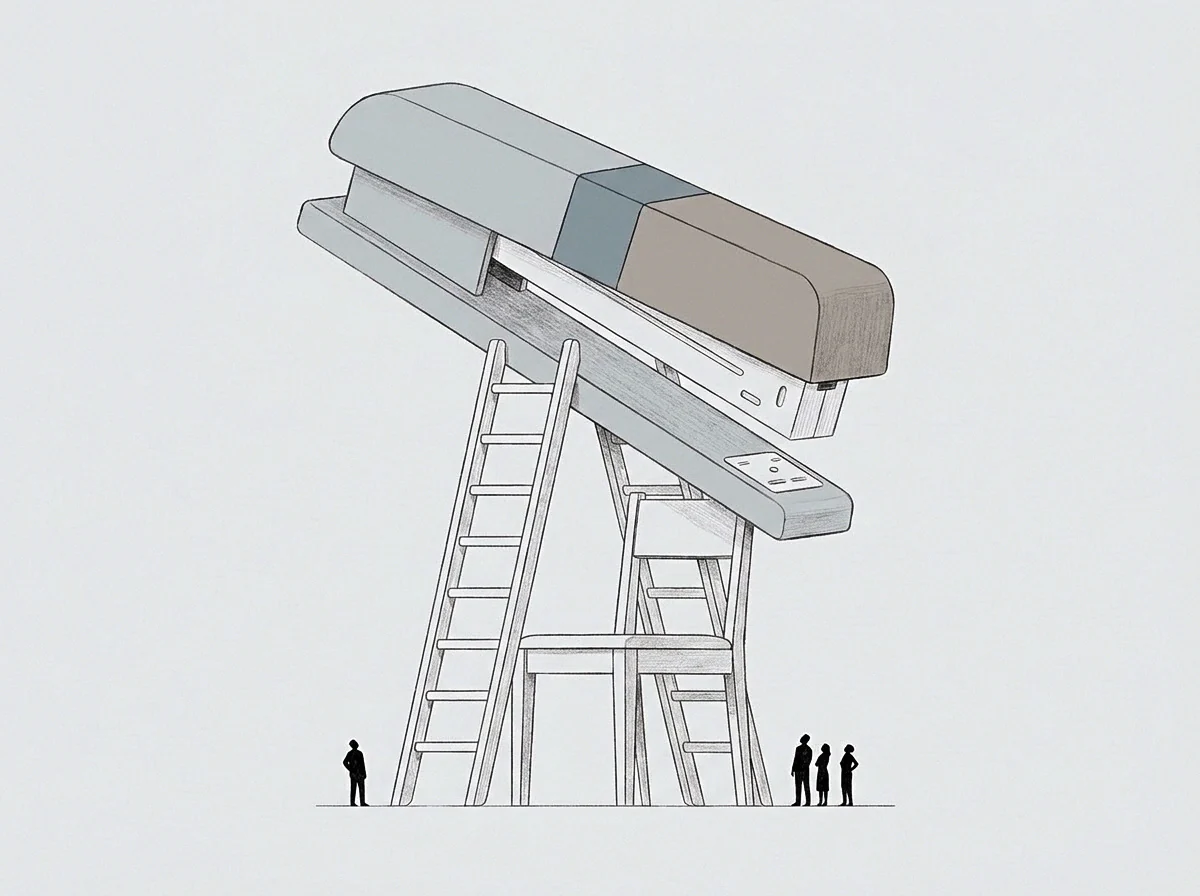
Clamp
Holding operational parameters within tight bounds during reconfiguration creates artificial stability. External clamps force compliance across visible metrics, suppressing natural signals of internal strain. As ascent pressure increases, the force required to maintain superficial alignment rises exponentially.
Suppressing variance does not eliminate risk. When operational variability is clamped, internal energy accumulates behind administrative controls, seeking unmonitored paths of least resistance.
The model absorbs early noise. Over time, however, energy locked behind regulatory clamps exceeds the structural retention threshold of the surrounding container, and the system collapses when holding capacity fails completely.

Do Latent Reconfiguration Stress Signals Precede System Failure?
Early indicators of impending structural collapse exist, provided monitoring tools look beyond primary output channels. Specialized diagnostic parameters identify subtle shifts in resource allocation patterns before gross functional failure occurs.
- Friction Magnitude Shift tracking the ratio of administrative coordination energy to productive throughput expansion across core operational divisions.
- Workaround Accumulation Rate measuring the density of informal process bypasses established to sustain baseline target metrics.
- Response Delay Variance evaluating the lag between control adjustments and system feedback adaptation under forced slope changes.
- Buffer Depletion Gradient calculating the consumption rate of emergency reserve capacity during periods of constant throughput expectation.
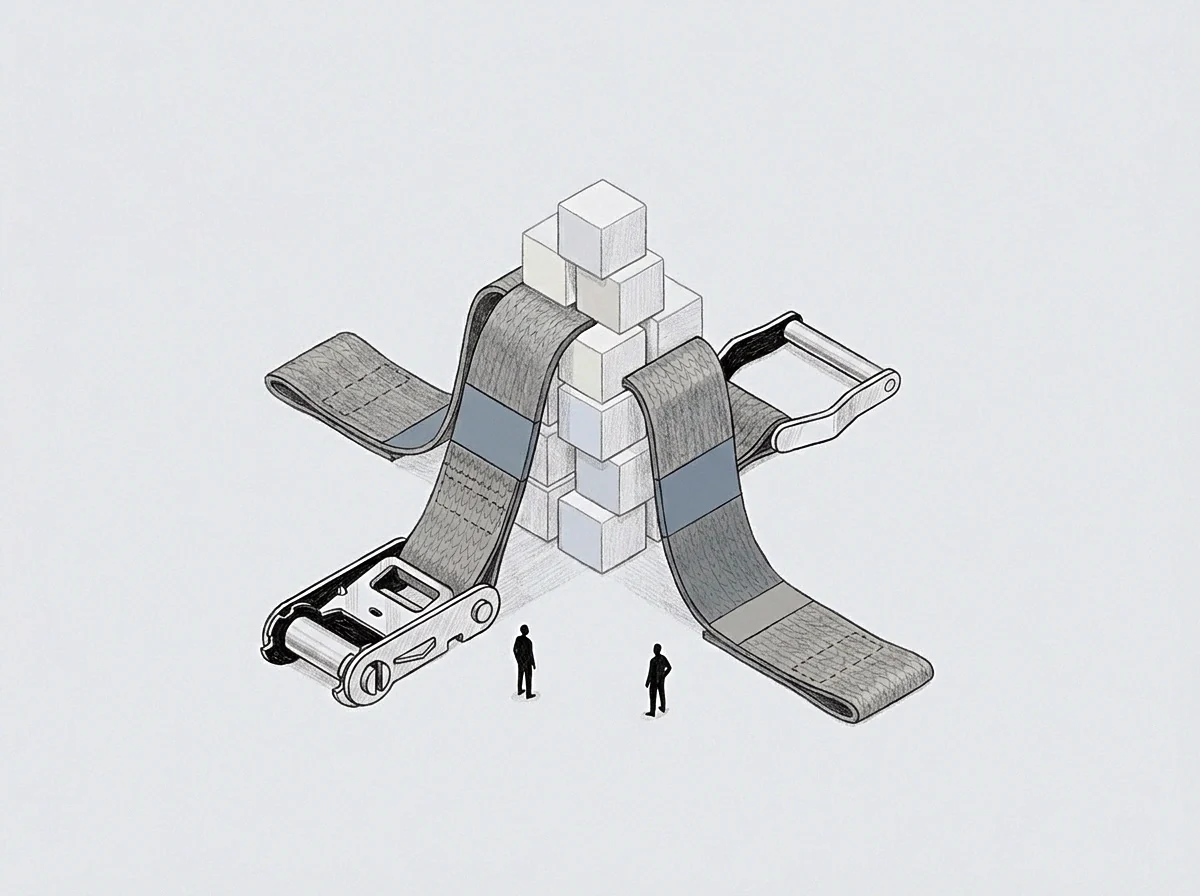
Setpoint Drift Under Forced Optimization
Imposing arbitrary performance targets forces baseline setpoints to drift silently. To satisfy external ascent demands, the system iteratively redefines acceptable baseline parameters.
When internal workarounds multiply, the true limit of system capacity sits far below the reported performance ceiling.
This quiet redefinition masks real degradation. What appears to be stable performance under pressure is often a diminished system operating inside altered risk parameters, where current throughput metrics reflect targeted optimization while structural debt accumulates behind the scenes.

Breach
Exceeding the systemic regression threshold triggers rapid structural breakdown, altering the internal mechanics of the architecture. Once holding capacity breaks, performance metrics collapse toward a lower-order operational baseline.
A breach event is rarely caused by a single external spike. Instead, it represents the sudden release of accumulated structural debt generated during prior reconfiguration phases.
Reversal along the gradient is swift and non-linear. Trying to halt the decline by applying additional gradient ascent force usually accelerates degradation, as the damaged architecture can no longer transfer load along designed pathways.
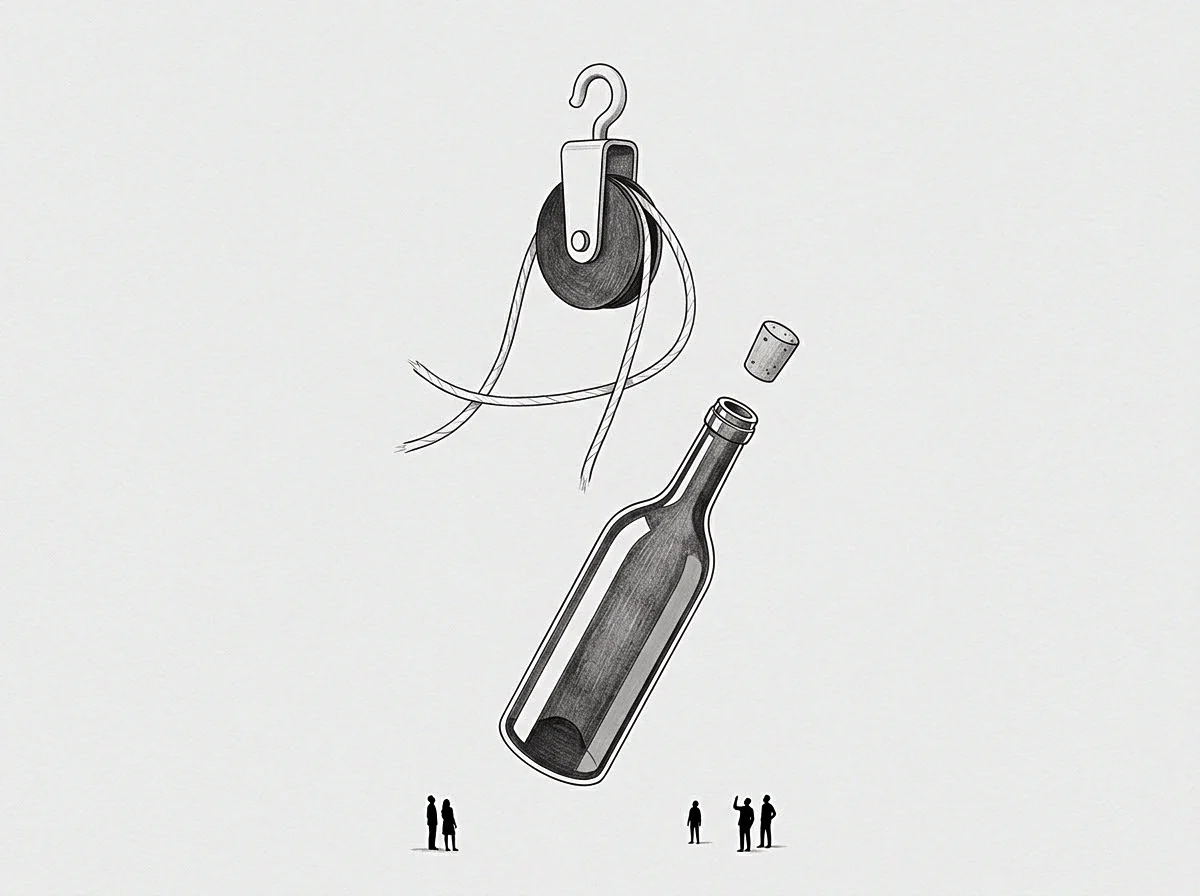
Threshold Signals at the Boundary
Near the boundary line, system behavior exhibits distinctive non-linear characteristics, with variance expanding rapidly as internal dampening mechanisms fail.
- Dampening Ratio Collapse occurs when automated error-handling mechanisms fail to absorb operational oscillation, causing feedback loops to amplify raw variance directly into primary throughput channels.
- Cascading Node Decoupling develops when peripheral subsystems disconnect from central governance structures to preserve local viability under extreme resource constraints.
- Structural Baseline Hysteresis manifests when the system fails to recover its pre-stress performance metrics even after external reconfiguration pressure is entirely removed.
When these boundary signals appear, immediate structural containment takes priority over throughput targets. Forcing continued upward reconfiguration across a breached boundary converts recoverable strain into permanent structural damage. Collapse occurs when workarounds consume more capacity than the operational core retains.
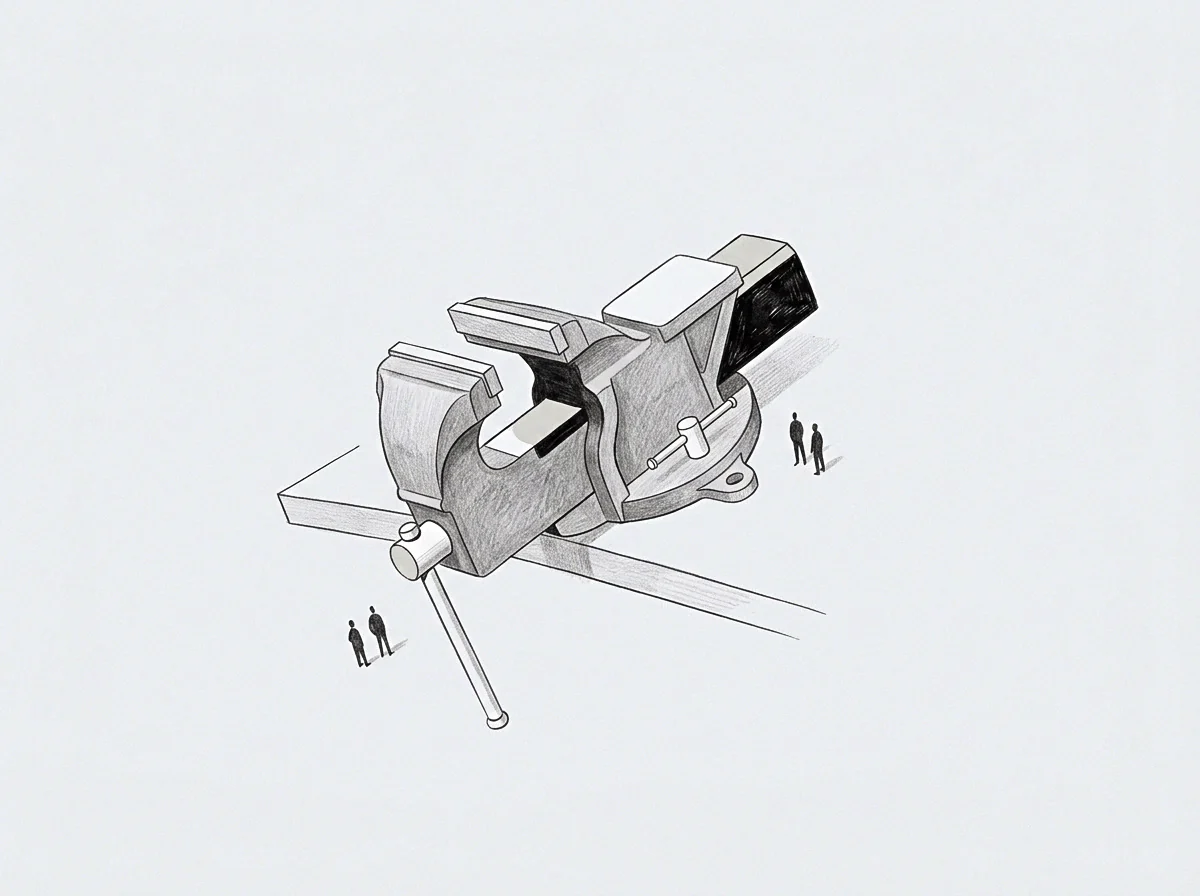
Vault
Post-breach architectures contain unspent latent potential locked behind boundary walls. When sustained gradient ascent fails, the system settles into a lower baseline, leaving residual volume trapped inside uncrossed operational limits. Structural friction points directly to where unprocessed material accumulates.
Mapping these boundaries reveals the exact shape of the model’s current edge. The failure coordinate provides precise structural data, defining where energy was diverted and where functional integration stalled.
The system routes around unprocessed structural debt until explicit boundaries are established. Mirroring the negative gradient above the baseline reveals latent capacity, offering a clear ordinal map of unspent potential without speculative framing.
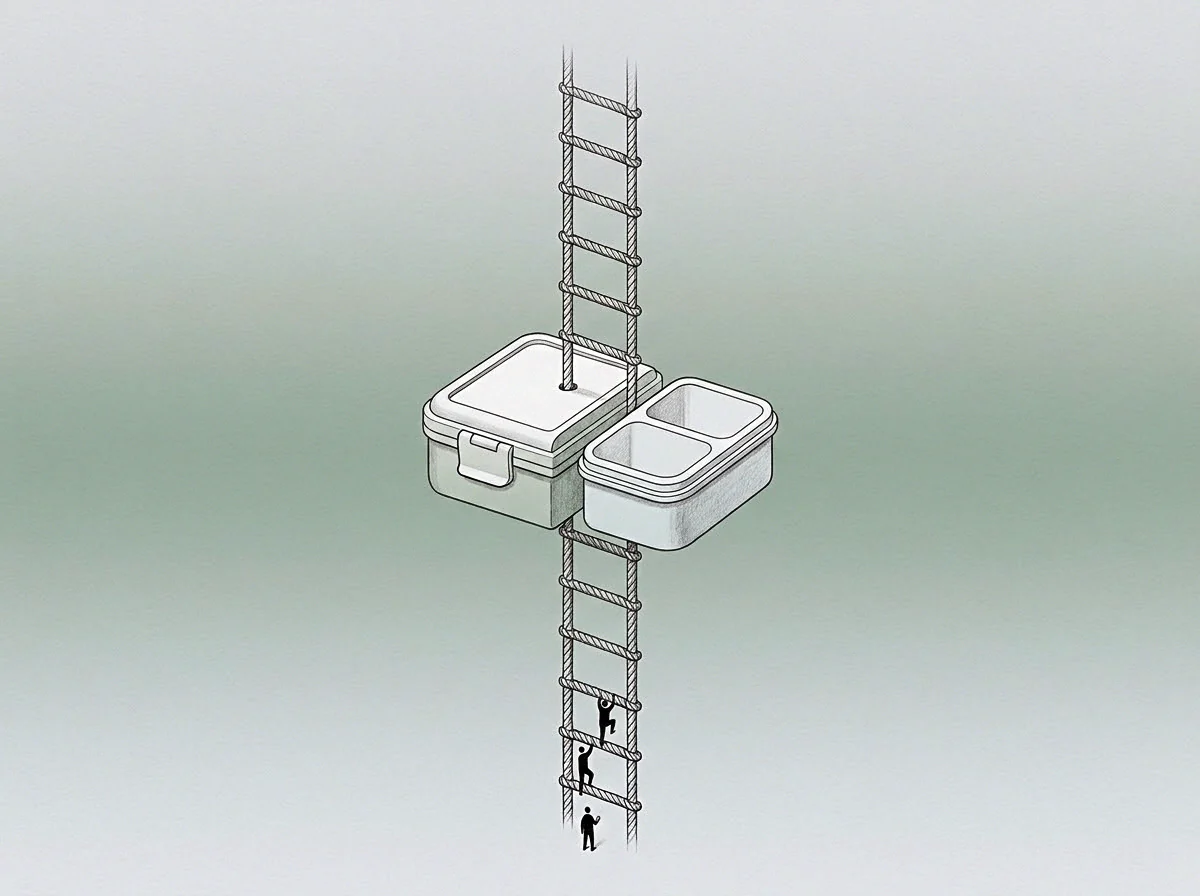
Latent Capacity Above the Baseline
Recovering unspent latent potential demands systemic load reduction rather than forced ascent. Rebuilding holding capacity requires operating within verified structural bounds while gradually resolving internal debt coordinates.
The volume of potential recovery mirrors the unspent energy locked inside the operational boundaries the system refused to cross.
By treating boundary walls as absolute structural metrics, operators construct accurate reference models for future adaptation phase design. This approach stops premature ascent pressure, allowing the core architecture to consolidate structural strength before attempting subsequent gradient climbs. Whether an architecture can recover its original baseline potential after crossing a structural regression threshold remains unproven over extended operational timelines.