
Resolving Latent Unmeasured Operational Variables Pressure On Multidimensional Vector Trajectory Normalization Models
Resolving latent unmeasured operational variables requires isolating residual drag as an explicit orthogonal dimension before vector normalisation occurs.
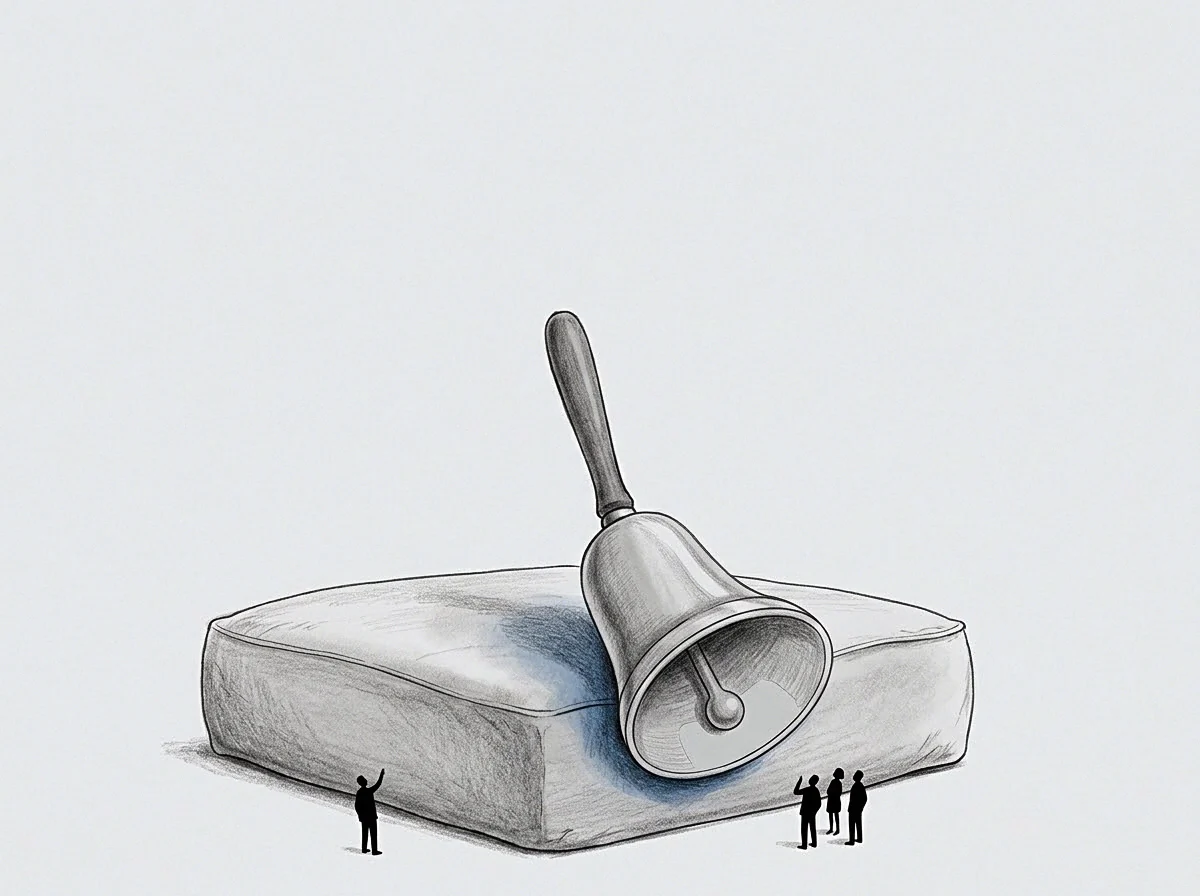
Deflection
Tracking operational velocity across multidimensional coordinates creates systematic distortion whenever unmeasured friction operates beneath visible metrics. A trajectory model scales revenue throughput, customer acquisition pacing, and capital efficiency into a unit vector to project runway and operational capacity. When hidden coordination drag or unrecorded technical maintenance absorbs internal capacity, the observed vector tilts away from its projected path.
The mathematical normalisation routine forces remaining visible components to absorb the difference, producing an artificial inflation in the apparent efficiency of measured channels.
The operational layer experiences this divergence as unexplained exhaustion in delivery teams. Velocity calculations assume that the baseline environment remains constant across measurement cycles. Unaccounted variables alter the operational gradient itself, turning what appears to be a linear trajectory into an active uphill climb.
Normalisation across multidimensional metrics produces systematic skew whenever an unrecorded friction consumes baseline capacity without entering the coordinate register.
When an operator tracks progress exclusively through observable outcomes, the model misattributes the source of resistance. The correction demands treating any persistent deviation from the expected vector norm as an active force rather than random measurement noise.
Misidentifying this displacement as an execution deficit leads to overcorrecting visible processes while the unmeasured constraint compounds until delivery halts entirely.

Tension
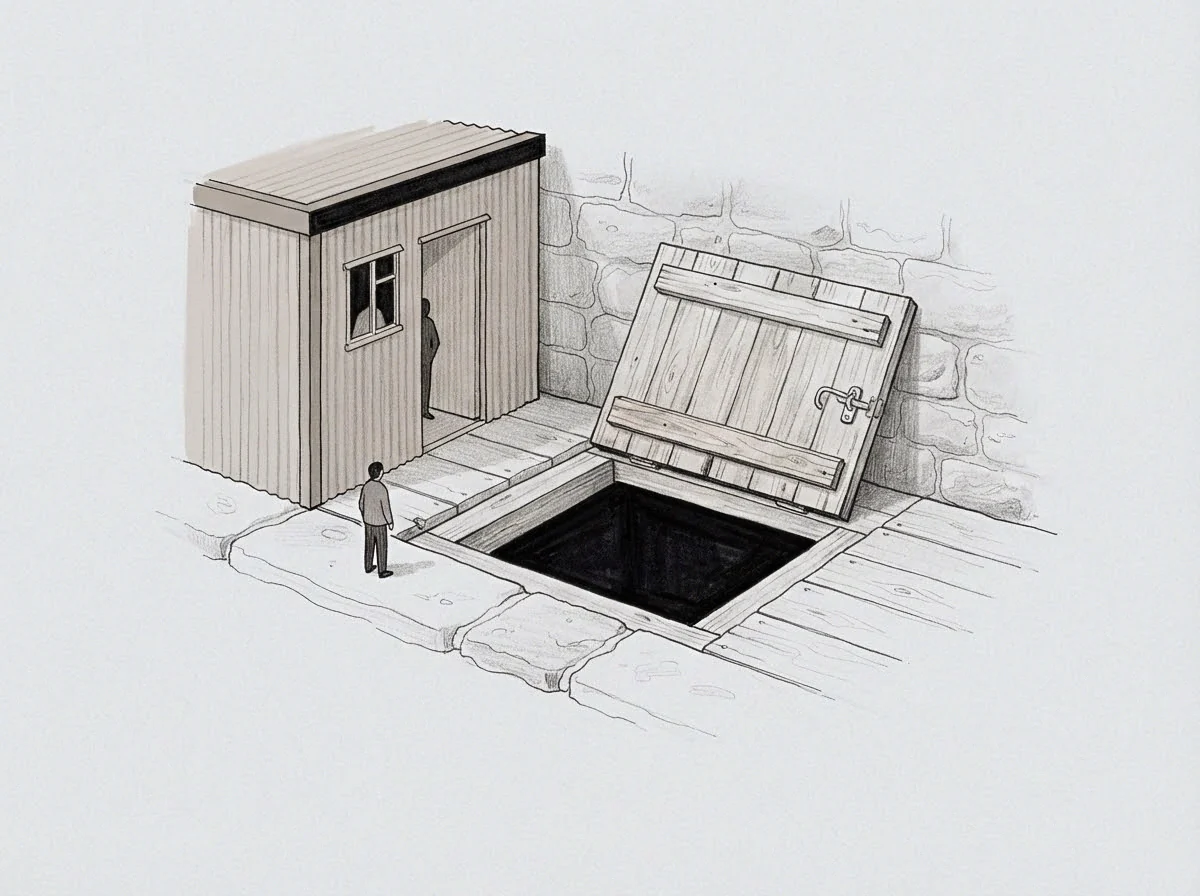
When Do Latent Pressures Warp Normalized Trajectories?
Vector normalisation assumes that the coordinate space contains all primary drivers of system movement. In practice, operational environments contain unrecorded variables that exert sustained orthogonal pressure on observable trajectories. These pressures alter the magnitude and direction of the system path before unit transformation takes place.
A typical enterprise data pipeline provides an explicit demonstration. The system tracks pipeline throughput, sprint completion rates, and platform uptime as three orthogonal axes. Unmeasured developer turnover and undocumented codebase regressions create silent cognitive load across engineering teams.
As engineers dedicate thirty percent of each sprint to patching brittle database interfaces, sprint velocity metrics register a slight decline, yet the normalisation algorithm distributes this reduction equally across pipeline throughput and platform uptime.
The mathematical adjustment conceals the acute failure point within database maintenance, making platform uptime appear stable even as structural risk escalates.
A persistent divergence between recorded velocity and operational output indicates the presence of an unmeasured constraint altering the underlying slope.
The model continues to project stable performance, while the actual system capacity erodes under unmeasured load.
Current targets reflect assumptions about a machine that no longer exists in the building.

Wedge
The mathematical separation between observable performance and latent operational variables functions as a physical wedge driven into trajectory projections. Resolving this disparity requires isolating the unmeasured variables through residual decomposition rather than forcing multidimensional vectors into standard Euclidean space.
| Model Configuration | Coordinate Assumptions | Handling of Residual Variance | Operational Cost Profile |
|---|---|---|---|
| Standard Euclidean Normalisation | Assumes all operational variables are measured within visible axes | Absorbs variance into random error across all components | Compounds hidden debt while inflating apparent channel efficiency |
| Orthogonal Latent Decomposition | Treats unmeasured friction as an independent latent dimension | Projects residual drift onto a virtual axis representing drag | Isolates capacity drain before adjusting trajectory velocity |
| State Space Drift Correction | Tracks non-stationary baseline environments dynamically | Updates coordinate weights based on observed resistance gradients | Preserves predictive fidelity across prolonged delivery cycles |
Correcting trajectory distortion depends on identifying specific behavioral patterns that signal unmeasured pressure across the operating system:
- Avoidance coordinates register when teams repeatedly route tasks around brittle internal dependencies, revealing hidden structural costs through prolonged cycle times.
- Residual drift captures the persistent directional divergence between projected vector milestones and actual milestone arrivals across consecutive quarters.
- Capacity decay measures the progressive reduction in discretionary output when maintenance overhead silently absorbs baseline working hours.
When an operating agreement includes an explicit latent variable adjustment term, vector normalisation algorithms recalculate coordinate baselines before projecting capital deployment milestones.

Projection
Projecting multidimensional trajectories into lower-dimensional operating models requires accounting for non-stationary environments. When external market friction or internal fatigue alters the operational surface, the gradient computed from historical data loses predictive validity. The system encounters steepening resistance along paths that previously exhibited low friction.
Trajectory models must estimate the latent gradient by observing the system rate of avoidance. Where an operational team consistently refuses specific tasks or delays execution along a specific coordinate, that resistance marks the presence of an unmeasured cost. The magnitude of the avoidance corresponds directly to the magnitude of the latent constraint behind it.
Observed operational resistance marks the location of unspent internal volume and defines the practical limit of the active predictive model.
Mapping these avoidance coordinates allows the model to reconstruct the unmeasured operational variable as an explicit vector component. Normalisation then proceeds across the expanded coordinate space, eliminating the artificial skew that distorts standard trajectory projections.
A trajectory projected without accounting for latent resistance maps the intentions of the planner rather than the physical capacity of the machine.

Yield
The ultimate test of a trajectory normalisation model rests in its capacity to deliver actionable forecasts without obscuring operational reality. Resolving latent operational variables shifts the analytical focus from surface velocity to structural endurance. When operators measure the cost of climbing against the path of least resistance, trajectory models cease to function as simple performance measures and begin operating as accurate navigation instruments.
This correction reveals that apparent operational failures frequently represent rational adaptations to unmeasured friction. Delivery teams naturally follow the descent gradient toward least resistance when unmeasured variables render the intended path unsustainably expensive. Realigning the trajectory model to account for these latent forces restores analytical integrity to operational planning.
What remains unresolved is whether an organisation can reliably quantify the exact boundary where internal coordination friction transitions from a manageable operational overhead into a terminal constraint on trajectory velocity.