
Tracking Structural Failure Thresholds Across High Pressure Operational Reconfiguration Phase
Tracking structural failure thresholds requires measuring informal latency drift and boundary friction before operational yield becomes irreversible deformation.

Load
A production migration ran forty days behind schedule while the operational queue doubled. The dashboard showed zero errors. Behind green status lights, the engineering team stopped running integration tests on secondary pipelines to preserve execution velocity for client commitments.
Delivery volume appeared steady because human exertion temporarily substituted for system capacity, concealing a steepening loss gradient behind extended evening shifts and unlogged weekend triage.
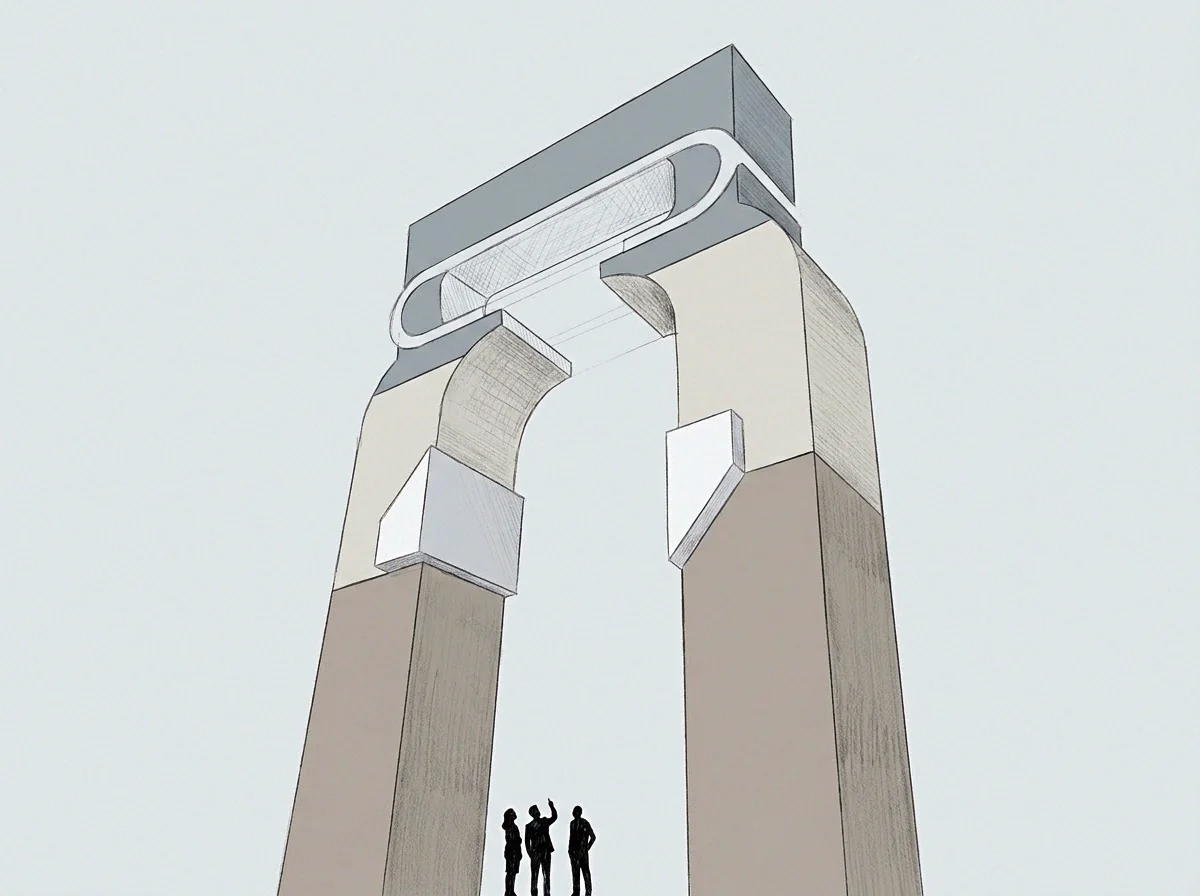
Initial Stress Gradients During Operational Shifts
Weekly throughput graphs masked a steep decline in undocumented maintenance work. When an enterprise accelerates reconfiguration under external deadline pressure, operational volume shifts from verified code pathways to improvised manual bridges. The cost of traversing that slope appears initially as mild friction in routine handoffs, then escalates into unmonitored backlogs that no formal metric captures.
A system runs at an accounting loss for months while informal operational capacity drains unseen from the floor.
Every operational system possesses an operating baseline where work input balances recovery cycles. Under compressed reconfiguration schedules, leadership typically demands higher throughput while simultaneously altering core workflows. Workers suppress defect reports to avoid slowing down primary migration milestones, forcing error coordinates into obscure downstream queues where unspent technical debt accumulates without oversight.

Volumetric Compression of Working Hours
Senior technicians began logging sixty unbroken sessions per billing cycle to absorb anomalies. When formal procedures prove too slow for aggressive delivery milestones, operators construct private communication paths to circumvent standard verification layers.
This redirection consumes attentional reserves that normally stabilize routine infrastructure. Measuring this strain requires observing the ratio between scheduled tasks and unscheduled defensive interventions. When operators misread this early pressure as temporary friction, structural reserves burn down entirely before the first public service disruption occurs.
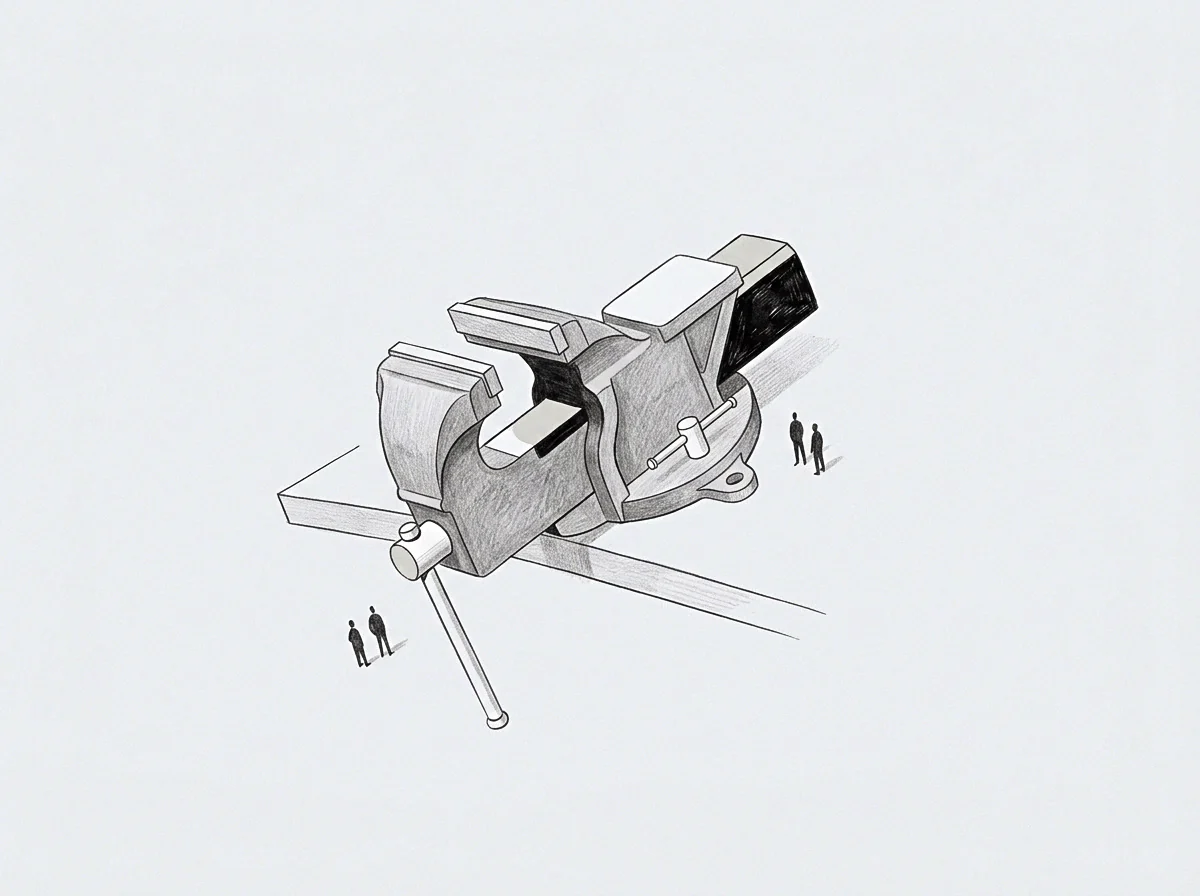
Joint
Every operating structure relies on handoffs between separate functional teams. In steady-state conditions, organizational seams operate with sufficient latency to absorb variance, miscommunication, and minor schema mismatches without external intervention.
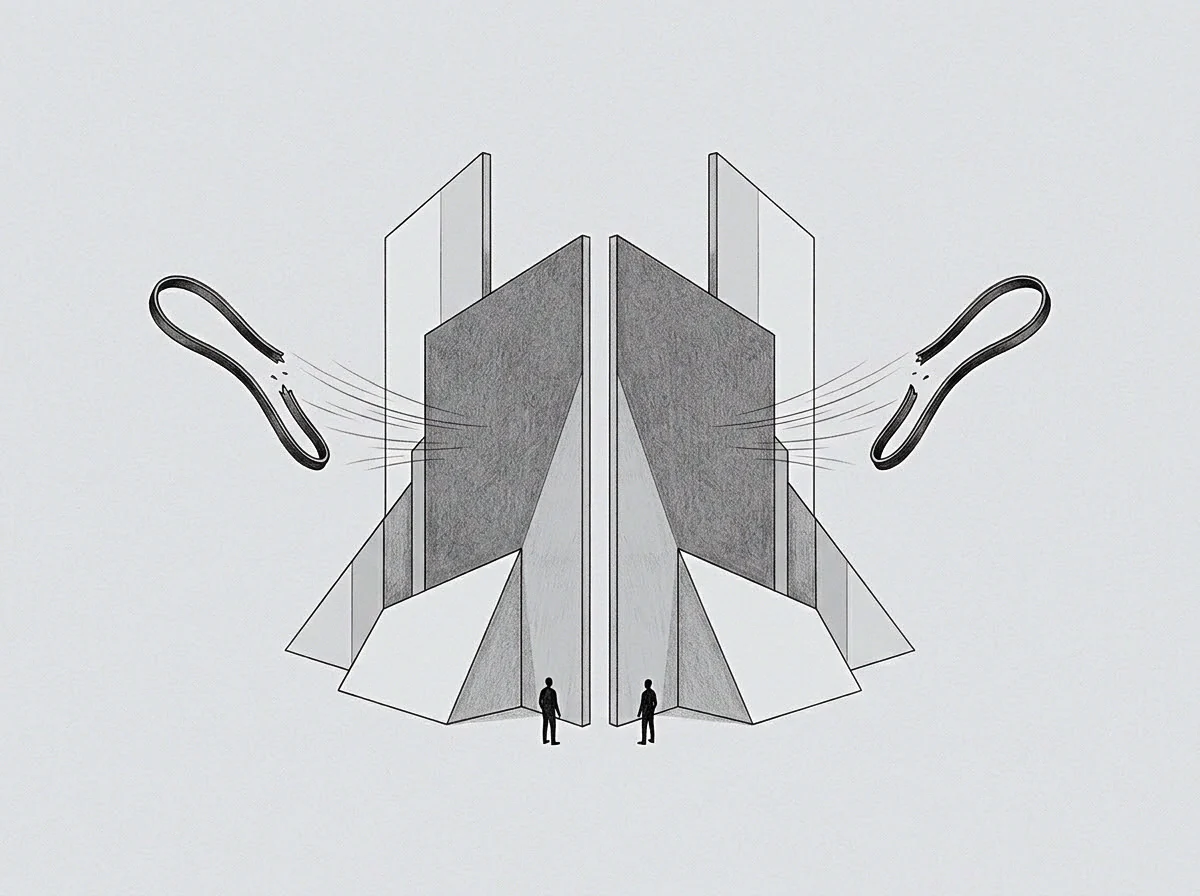
Interface Rigidity Across Shared Operational Divisions
Departments protect their immediate team quotas by rejecting partial transfers from adjacent units. When reconfiguration imposes compressed deadlines, functional interfaces lose their compliance. The receiving unit insists on rigid adherence to outdated specifications to protect its own internal delivery metrics, while the sending unit truncates data cleaning routines to meet dispatch targets.
When task throughput accelerates past verified architectural tolerances, organizational joints convert lateral coordination into departmental defensiveness.
The resulting operational shear concentrates at the organizational interface. Rather than negotiating interface adjustments, teams deploy defensive logging and bureaucratic verification barriers. These structural joints freeze precisely when elastic accommodation remains necessary to survive operational change.
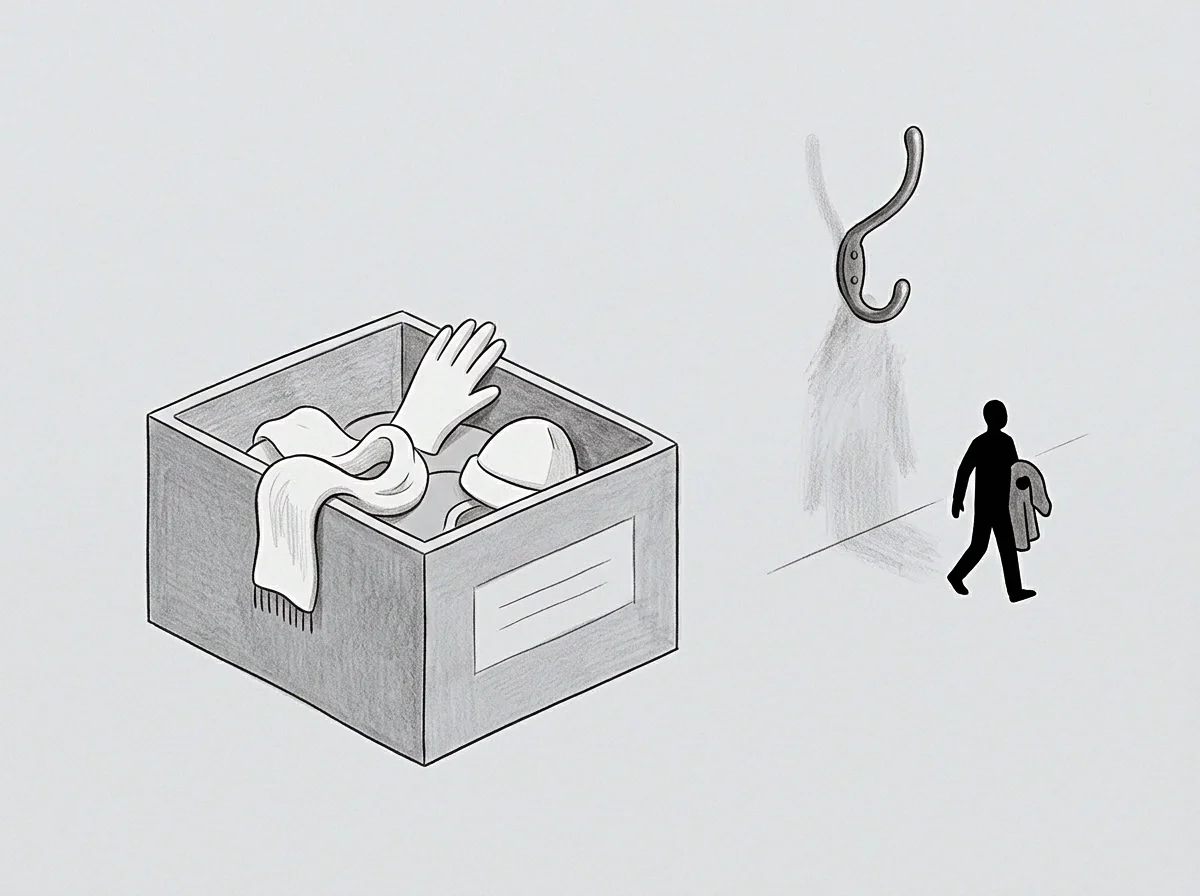
Mechanical Friction Across Primary Structural Couplings
Evaluating operational contact points reveals how stress transfers during accelerated change. When two decoupled systems must synchronize under compressed time constraints, the friction generated at their intersection signals impending structural fracture long before a complete operational stall.
| Coupling Point | Stress Vector | Warning Latency | Fracture Indicator |
|---|---|---|---|
| Routing Layer | Payload volume mismatch | Forty-eight hours | Unchecked queue dead-lettering |
| State Handover | Schema synchronization delay | Twelve hours | Silent data fallback defaults |
| Pipeline Deployment | Unverified dependency velocity | Six days | Hotfix bypass branching |
| Escalation Gateway | Triage ticket saturation | Twenty-four hours | Direct operator bypass messaging |
The upstream group fulfilled its written specification, so any failure downstream belongs entirely to the receiving team.

Drift
Quiet operational changes precede visible system failures by several weeks. As pressure mounts during reconfiguration, working procedures depart from documented architectures through incremental adaptations. Each adaptation represents a micro-descent down the path of least resistance, solving immediate task starvation by eroding structural safety margins.
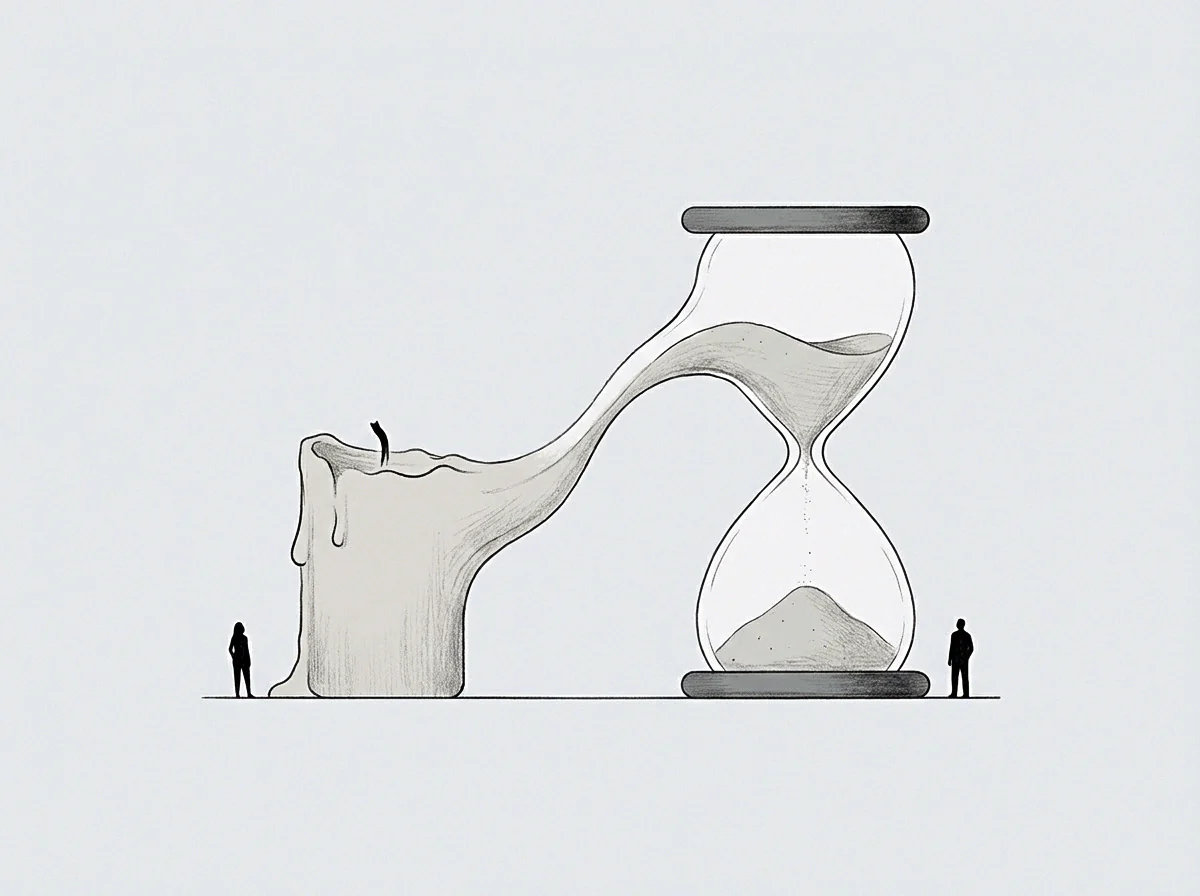
Which Operational Reserve Depletes Before Failure Registers?
Informal peer consultation vanishes first when task latency climbs. Under standard conditions, engineers cross-verify ambiguous cases and sanity-check architectural departures. Once schedule compression eliminates idle capacity, staff abandon consultative habits in favor of unilateral execution.
- Informal Slack absorbs small schedule variances until teams cease voluntary cross-checking.
- Diagnostic Latency extends as operators bypass thorough telemetry reviews to meet immediate dispatch targets, creating invisible systemic blind spots.
- Institutional Memory dissipates when rapid team reassignments remove experienced staff from core infrastructure maintenance duties.
- Maintenance Ratios contract sharply, leaving legacy technical debt unaddressed across multiple operating cycles.
Consider the structural analogies in high-tensile metallurgical testing: airframe spars subjected to sustained cyclic heating do not show surface deformation until micro-crystalline dislocations coalesce into macroscopic shear bands. In human production systems, the invisible accumulation of cognitive and organizational micro-strains follows an identical physical curve.
Unchecked metric velocity without accompanying telemetry verification degrades operational reserves faster than overt system crashes.
Reference-class analyses of distributed technical teams indicate that undocumented process workarounds increase exponentially once task backlog exceeds normal operating capacity by twenty-five percent. This finding holds across software infrastructure migrations and physical supply chain realignments, though unexpected labor turnover can accelerate the degradation curve unpredictably.
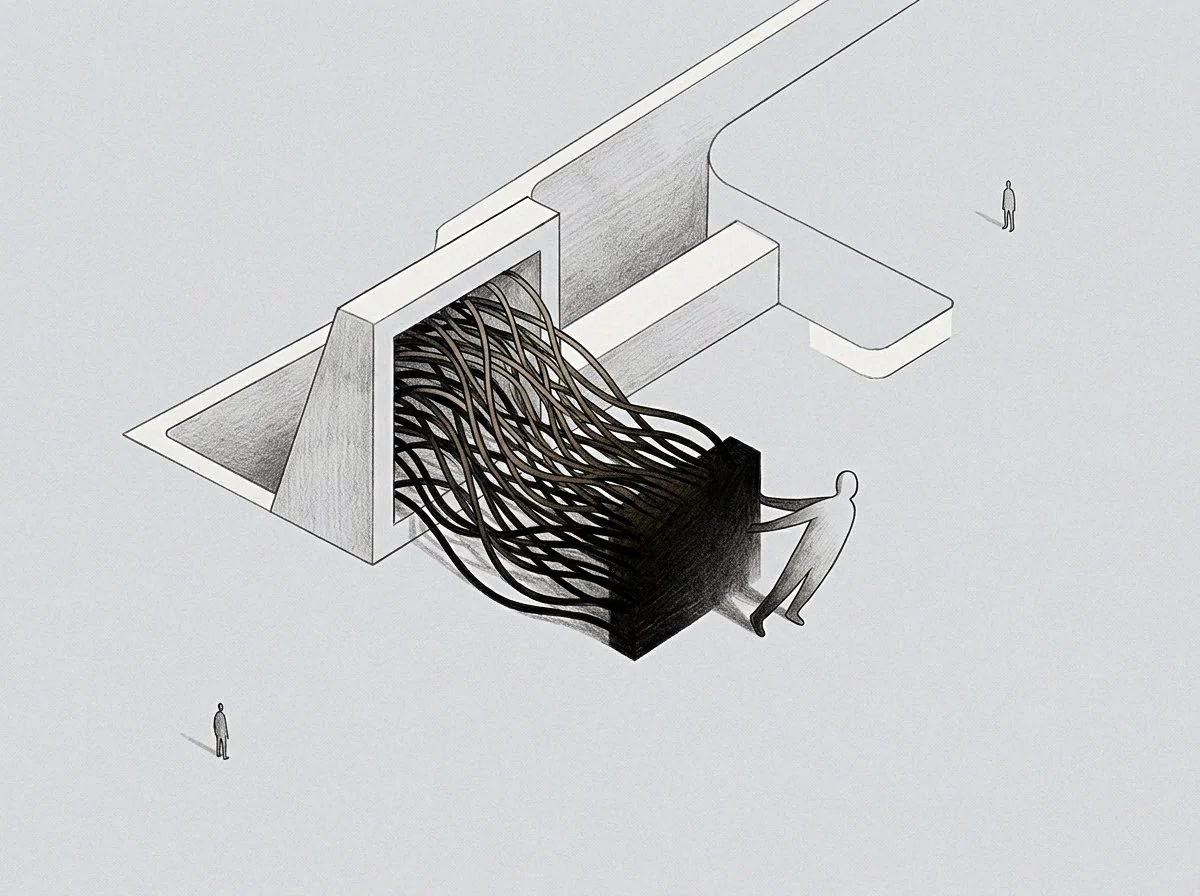
Degradation of Unsupervised Information Channels
Lateral conversations between line engineers drop off once production pacing intensifies. Instead of flagging unrealistic schedules, operators narrow their operational focus exclusively to assigned queue tickets.
Because management dashboards track only formal pipeline artifacts, leadership perceives steady execution while the shared context binding the architecture disintegrates. Whether an organization can measure the silent erosion of informal peer checks before customer ticket counts rise remains an open technical problem.
Yield
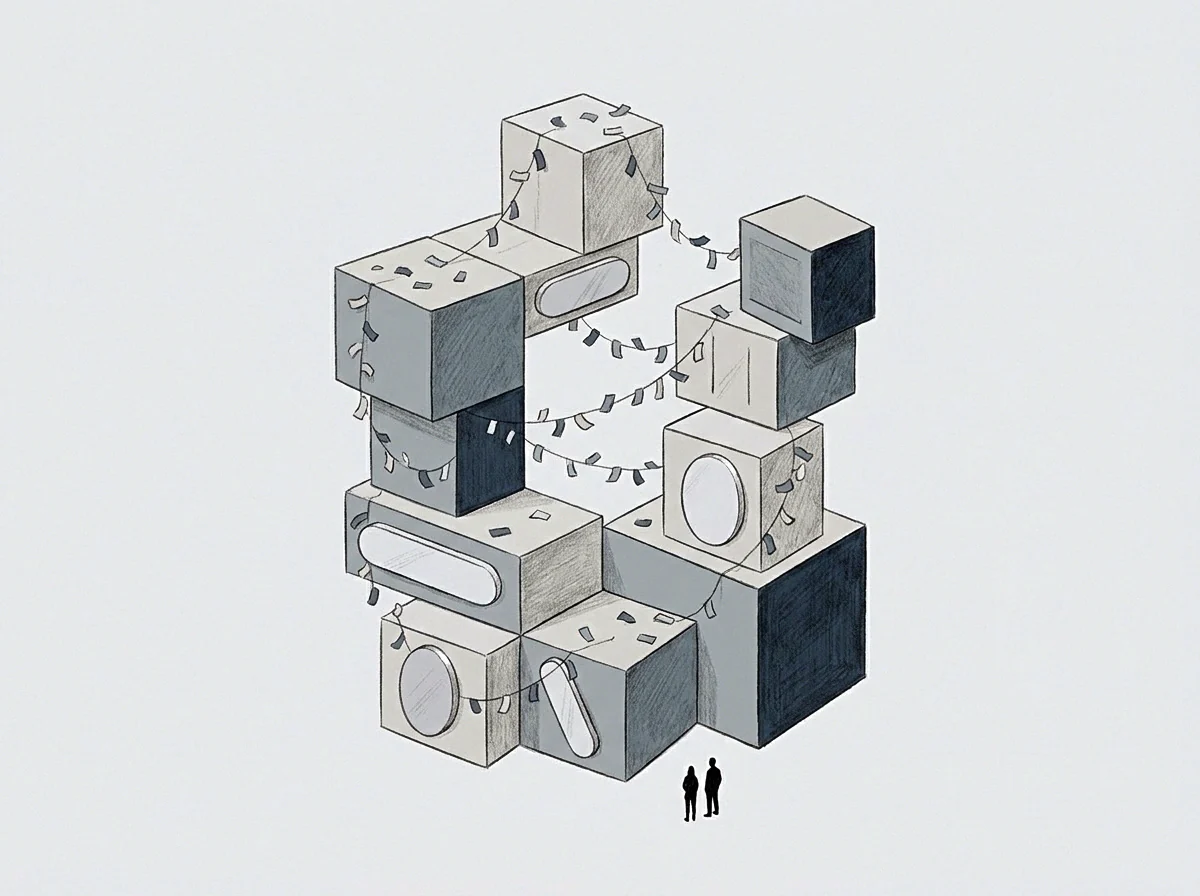
Metals bend reversibly under low stress before taking permanent shape changes under severe loads. Operational systems display identical behavioral stages when subjected to continuous reconfiguration loads.
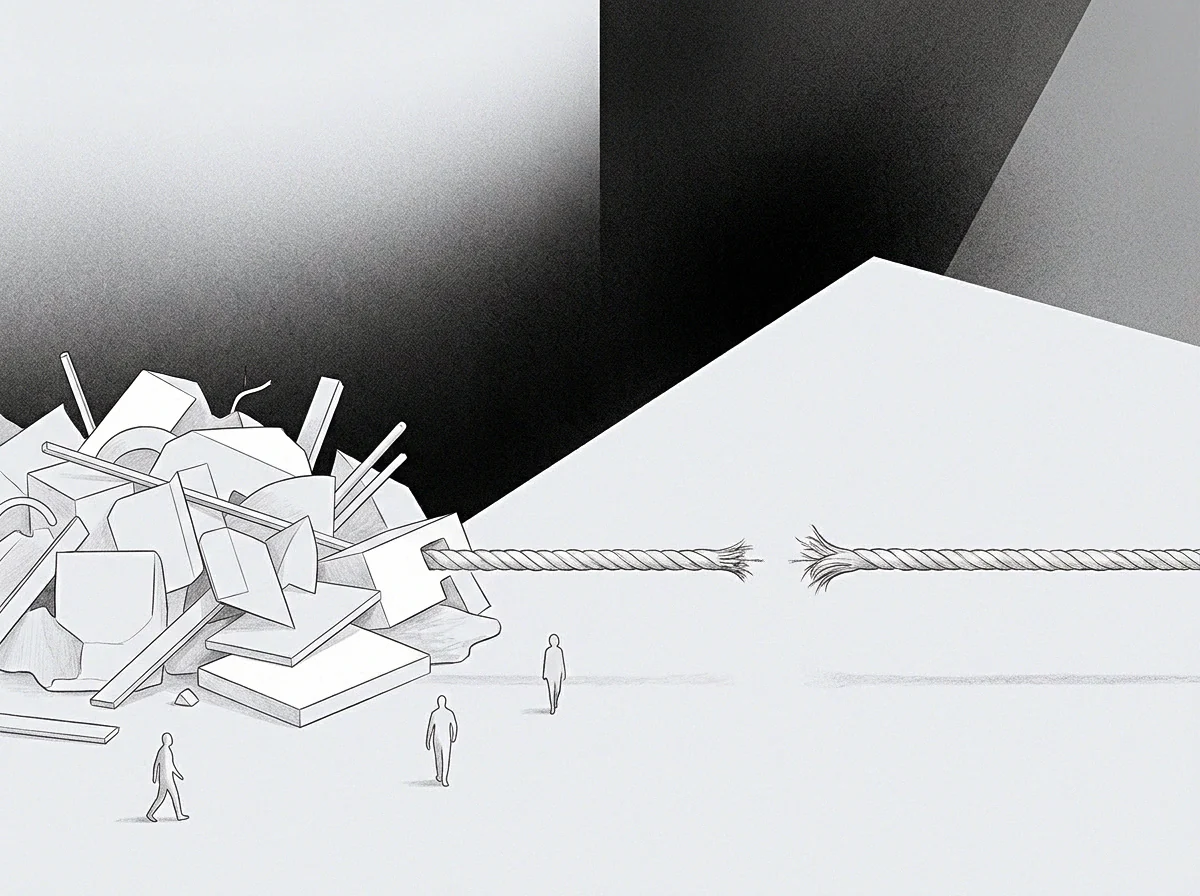
The Mechanics of Permanent Institutional Deformation
System modifications carried out under emergency timelines harden into permanent daily workarounds. When an operator bypasses security gating or skips data validation routines to meet an arbitrary deployment date, that shortcut becomes the operational floor for all future throughput calculations.
Allostatic load research demonstrates that prolonged operational stress causes biological and structural systems to recalibrate their homeostatic setpoints downward. When human teams face prolonged operational emergency conditions, their baseline for acceptable architectural compromises drops permanently. What began as a temporary measure becomes institutional standard operating procedure.
- Elastic Compression occurs when staff absorb temporary overtime without altering basic routines.
- Plastic Slip begins as undocumented patches replace standard testing protocols to keep schedules intact.
- Localized Shear splits internal responsibilities across conflicting managerial lines, fragmenting accountability.
- Rupture Propagation terminates basic services when single-point operational dependencies finally buckle under peak traffic.
An operational workaround repeated across three consecutive release windows becomes the de facto architecture of the organization.
A Stated Case of Compressed Restructuring
Assume an engineering group with thirty staff restructuring its core database pipeline over six weeks. The initial plan allocates three weeks to schema isolation, two weeks to dual-write verification, and one week to production cutover.
At week two, unexpected schema incompatibilities emerge. The leadership layer refuses schedule expansion, citing investor commitments. To maintain velocity, senior operators eliminate dual-write verification.
By week four, data inconsistencies accumulate in peripheral reporting modules, but primary transaction throughput remains acceptable.
At week six, the cutover succeeds outwardly. Three weeks later, secondary systems collapse under corrupted transactional state, requiring four months of emergency remediation. Pinpointing the exact day where elastic flexibility degenerated into permanent brittle failure in this sequence remains difficult because human organizations generate complex masking behaviors.
In situations marked by this diagnostic ambiguity, prudent operators halt pipeline expansion immediately upon the first unverified data omission.
When undocumented workarounds become necessary to maintain basic uptime, the operational structure has already suffered permanent deformation.
Wedge
Halting an accelerating operational breakdown demands an immediate mechanical barrier against schedule creep. Continuing forward execution along a compromised trajectory guarantees catastrophic fracture once unaddressed anomalies reach critical density.
Stabilisation Through Deliberate Cadence Clamping
Leadership freezes all non-essential tickets to isolate core data flows. Stabilization requires establishing an unyielding operational boundary that rejects new work intake until verified baseline telemetry resumes normal reporting.
This intervention arrests the downward descent by making the actual cost of operational reconfiguration explicit. When management absorbs the immediate discomfort of paused outward progress, internal teams gain the capacity required to dismantle brittle workarounds and restore formal verification pipelines.

Settlement Along the Reconstructed Baseline
Teams establish new operational norms only after shedding redundant execution paths. The restored system operates at lower initial velocity than the emergency reconfiguration pace, but the underlying structure regains its elastic absorption capacity.
A mandatory stop-work clause tied to unverified schema changes resets the operational pace, forcing hidden structural debt into the open.