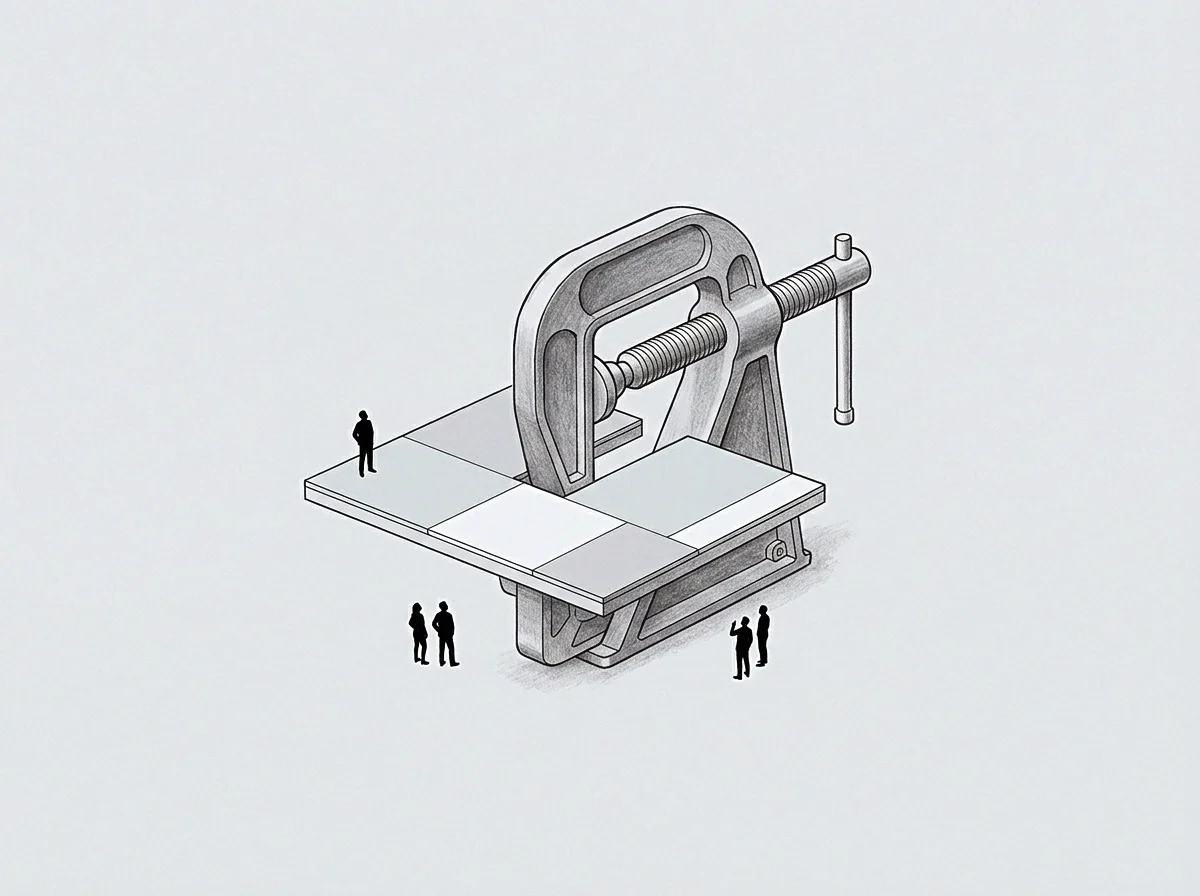
Meaning
Communication latency represents the elapsed time between a non-executive founder submitting an inquiry and the management team returning the necessary data. This interval of asynchronous queue delay is measured on a cardinal scale of hours or days, indicating the structural distance between governance and execution. It indicates how deeply the founder has removed themselves from daily operations, where longer delays correspond to higher executive autonomy and fewer operational interruptions.
Latency Interval
The period of waiting varies according to the hierarchy established after the leadership transition. When a founder uses asynchronous queue delay to intentionally slow down their own interventions, it creates a buffer that allows the new chief executive to resolve issues independently. This structural pause helps stabilize the new management team.
Feedback Attenuation
Information value decays when communications are stretched over extended periods. A long asynchronous queue delay prevents the founder from reacting to immediate market shifts, forcing them to rely on quarterly reports rather than real-time data. This shift modifies the founder’s influence from tactical correction to long-term governance.
Operational Drift
Separation of monitoring from execution results in a divergence of perspective between board members and operators. As the asynchronous queue delay extends beyond several days, the founder’s understanding of current operations becomes historical rather than immediate. This disconnect reduces the likelihood of sudden executive overrides.