Meaning
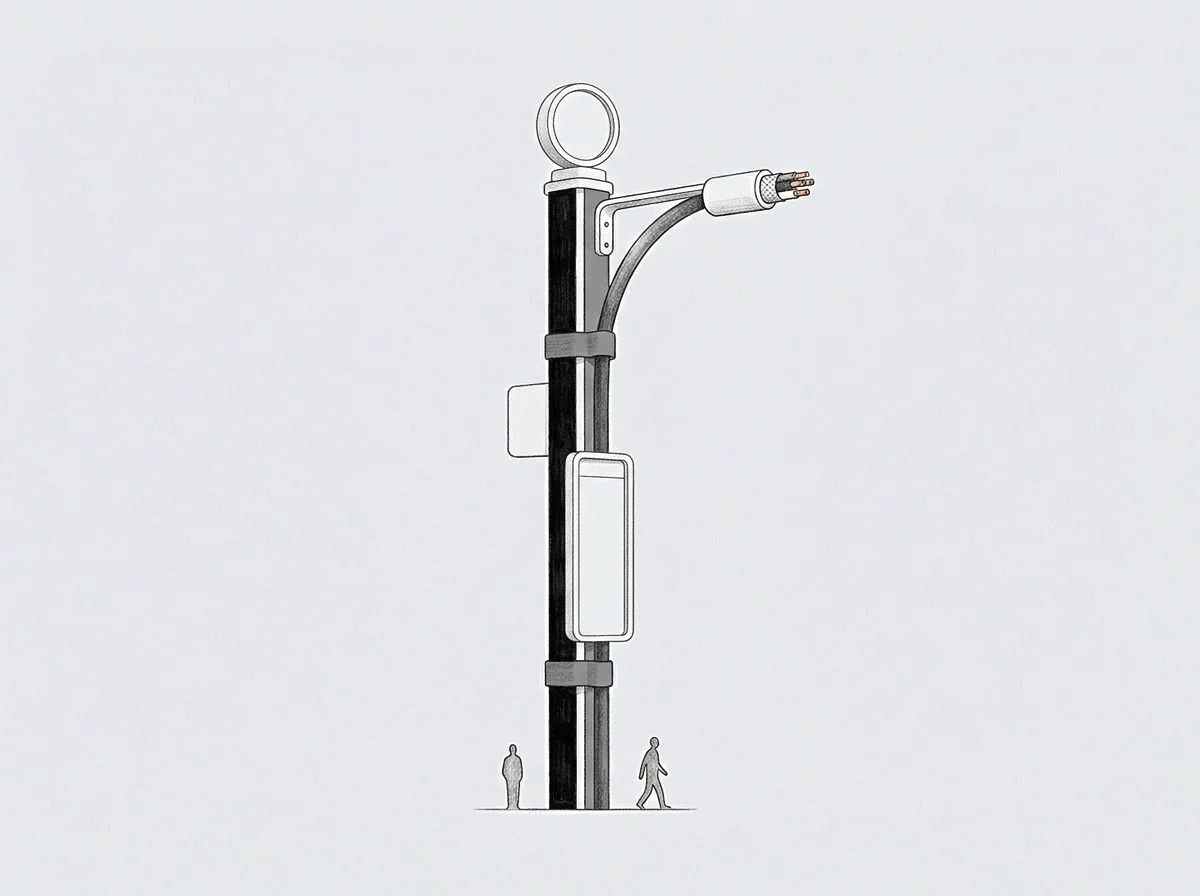
Random variation across an analytical measurement reflects the difference between a target signal and the actual output recorded by an instrument. System noise manifests as the unpredictable interference that obscures clear readings within a data stream. This variance represents the physical or electronic limits of a sensing device rather than a change in the underlying condition.
Measurement Variance
Frequent shifts in data points emerge from internal heat or electrical fluctuations that distort the precision of an observation. Engineers define this baseline by observing the deviation during periods where no external input changes the state of the machinery. Statistical models account for this static by applying filters to isolate the relevant signal from the surrounding turbulence.
Low thresholds of interference allow for a higher resolution of the raw data collected during steady operations.
Operational Threshold
Distinguishing between a genuine shift in performance and the background static requires a consistent reference point across multiple intervals. Practitioners rely on the standard deviation of an idle sensor to set the floor for meaningful updates. Any movement recorded above this calculated boundary justifies investigation while fluctuations below the limit remain ignored as incidental background activity.
Analytical Constraint
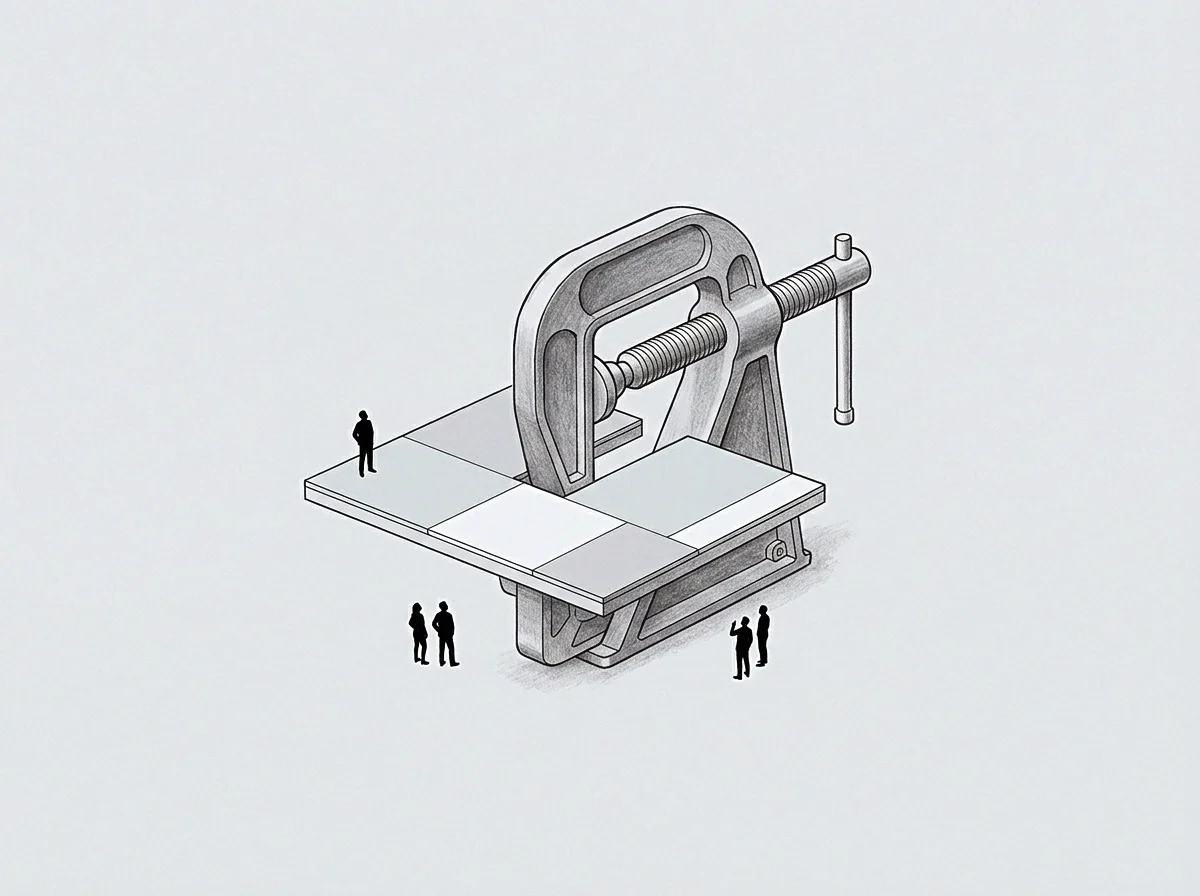
Total elimination of these random fluctuations remains impossible due to the laws of thermodynamics acting upon physical circuits. Every sensor produces a baseline amount of interference as electrons move through components at varying temperatures. Data integrity rests on the ratio between the detected signal and this unavoidable background disturbance.