Meaning
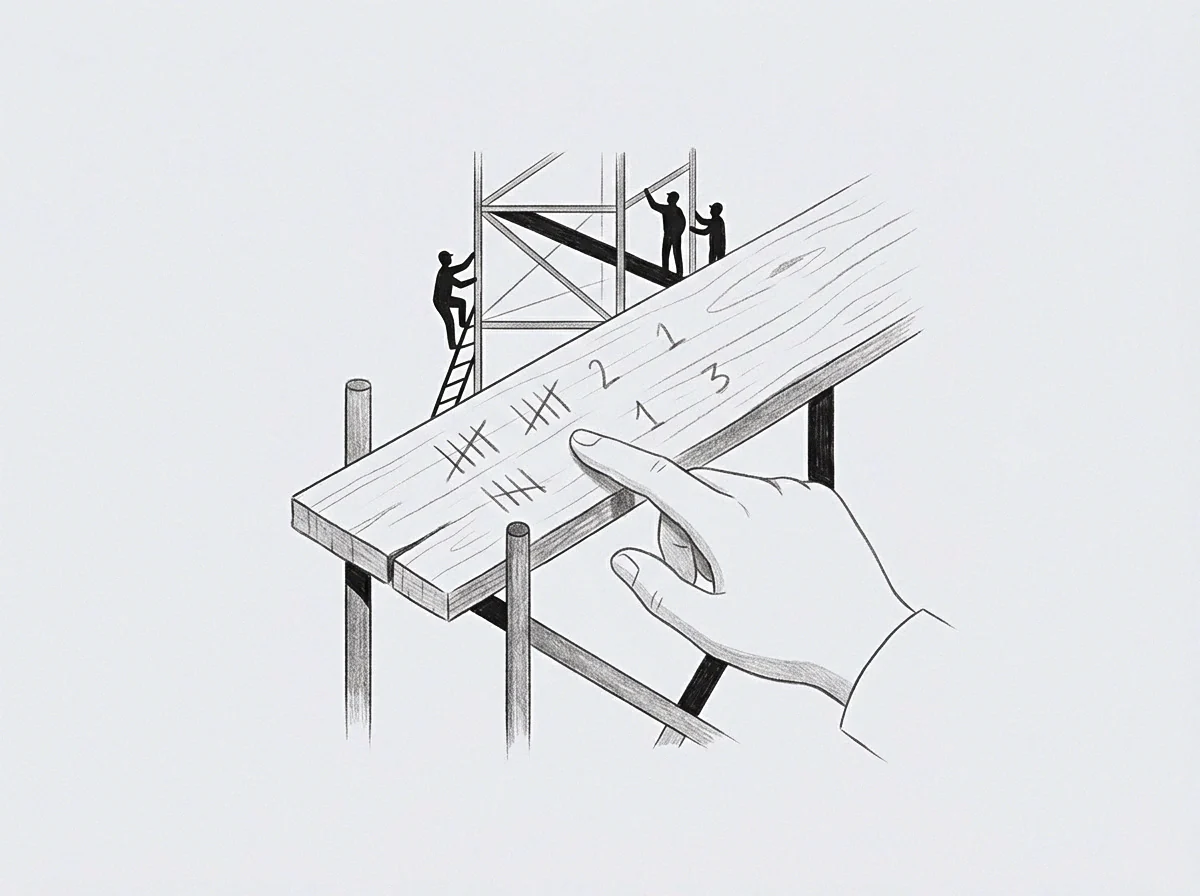
Statistical fluctuations represent the constant background activity present in any measurement environment before a specific signal is introduced. Identifying baseline noise is necessary to determine whether an observed change is a genuine signal or a random variation. This figure establishes the floor below which data cannot be reliably distinguished from chance.
It remains present regardless of the precision of the tools used.
Signal Interference
Environmental factors often contribute to the volume of random signals recorded during an observation. When baseline noise is high, the resulting data requires more complex filtration to find a useful pattern. Small changes in a system often disappear within these fluctuations.
Analysts must find the source of these signals to prevent them from obscuring the primary target. Measurement accuracy improves when these background sources are isolated and removed from the final calculation.
Statistical Floor
Establishing a clear limit for background activity allows for more accurate comparisons between different periods. A rising level of baseline noise suggests that the environment has become more volatile or that the measuring instruments are failing. This limit defines the boundary of what is measurable.
Evaluative Friction
The presence of irrelevant information increases the energy capacity required to reach a decision. Practitioners who ignore baseline noise risk reacting to random events as if they were structural changes. Accurate identification of this floor reduces the risk of overcorrection.
Correcting for background activity ensures that only meaningful data informs the strategy.