Meaning
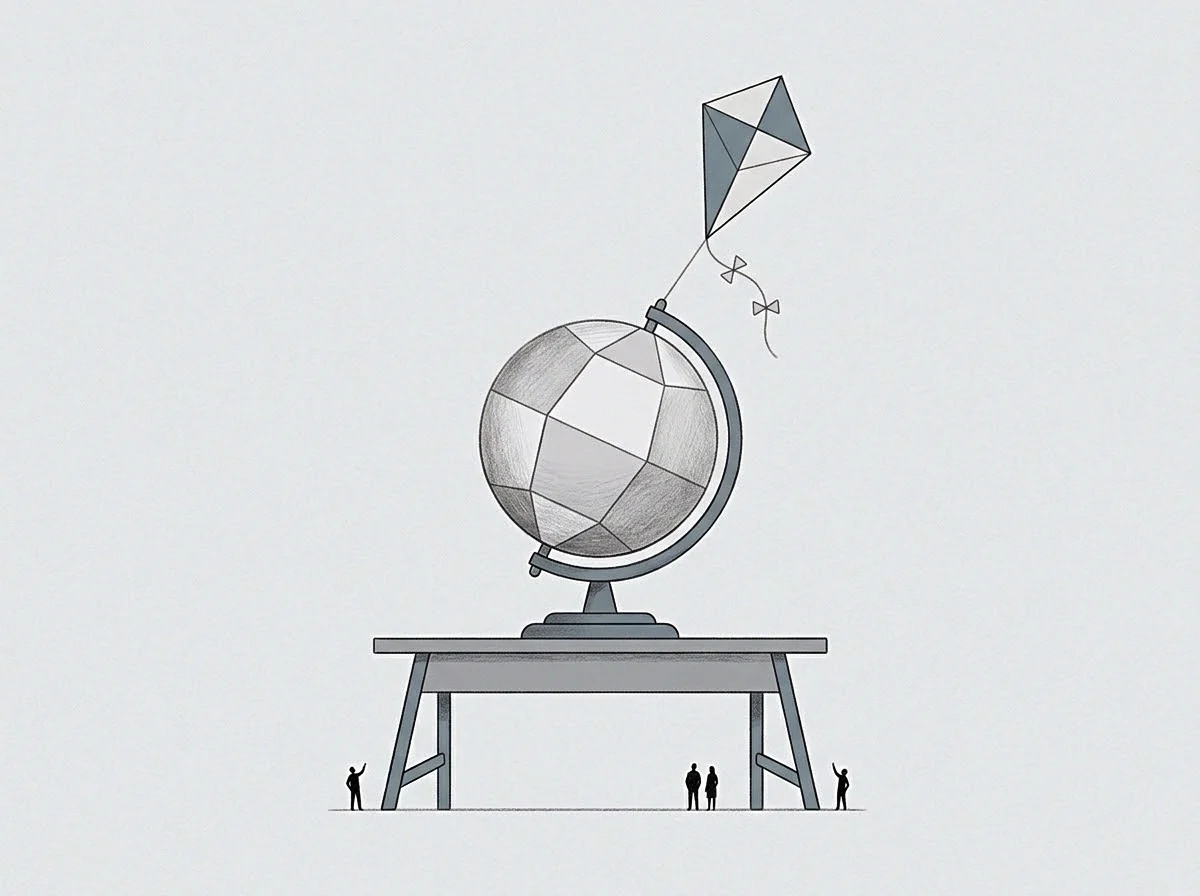
Precision loss occurs when a measurement instrument or model diverges from its original accuracy over time or use. Constant application of a formula without periodic adjustment leads to calibration drift in the resulting data. This divergence appears when the sensor or the logic underlying a projection no longer aligns with the physical reality it tracks.
Error Accumulation
Cumulative inaccuracies develop as small, undetected offsets in the measuring tool add up during repeated operations. When a founder monitors a sales pipeline, calibration drift might occur if the probability assigned to a lead remains static while market conditions shift.
Temporal Decay
Time acts as a primary vector for the degradation of a model’s predictive power. Natural changes in consumer behavior or operational efficiency ensure that calibration drift is a standard feature of any long-term tracking system. A model that worked perfectly at inception will inevitably lose its alignment as the environmental variables it ignores begin to exert more influence on the outcome.
Identifying the rate of this decay allows for the scheduling of maintenance before the system fails to provide a signal.
Correction Protocol
Realigning the measurement tool requires comparing current outputs against a known standard or an external audit. Frequent checks against a ground truth prevent calibration drift from reaching a level where it invalidates the entire data set.