Meaning
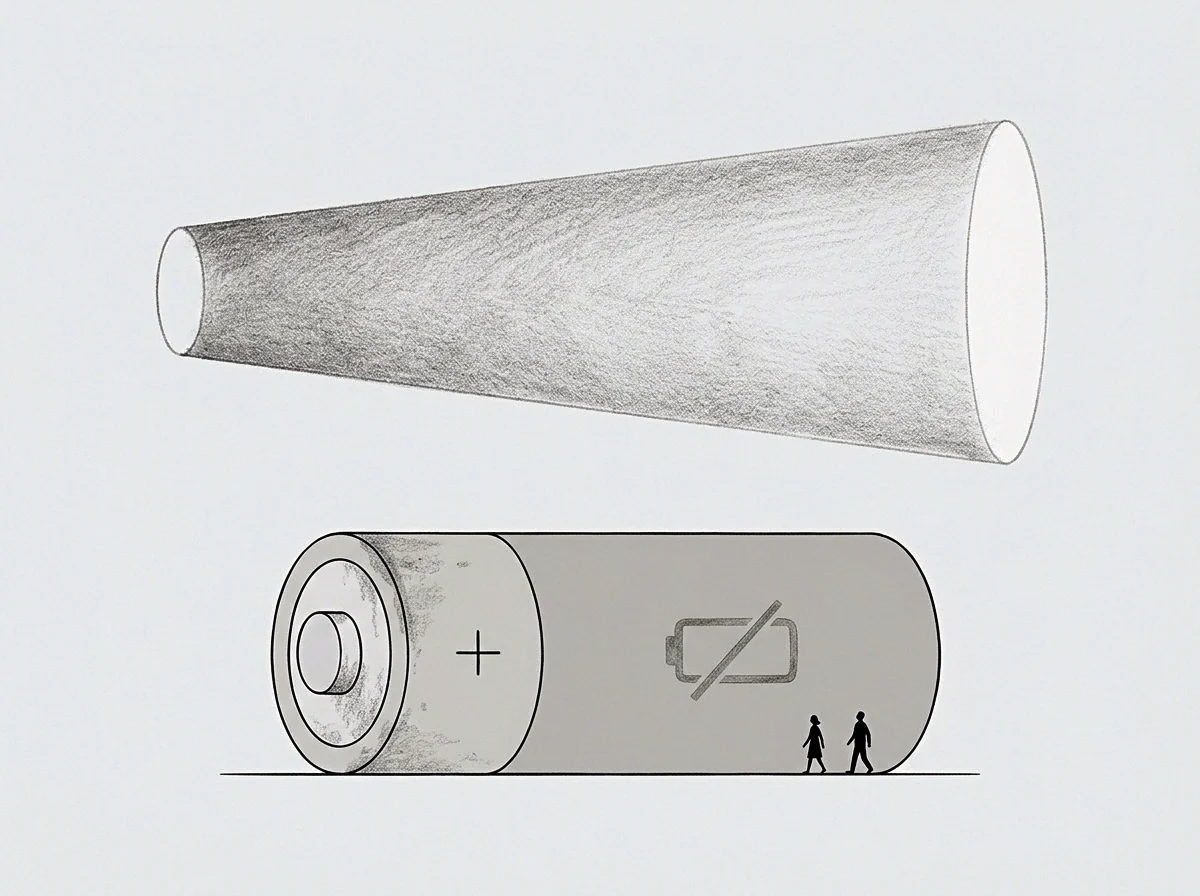
Capacity reclamation functions as the deliberate retrieval of underutilized assets to restore operational efficiency within an existing framework. This practice involves identifying idle hardware, dormant software licenses, or vacant physical space to reallocate those resources toward active work streams. Organizations perform this recovery to avoid redundant procurement when current infrastructure contains hidden slack.
Systemic Logic
The process operates by analyzing usage telemetry against peak demand cycles to isolate pockets of dormant bandwidth. Managers monitor these gaps to determine if the inactivity indicates a permanent drop in requirement or a temporary shift in timing. Once verified, the idle units move back into the active pool to offset the need for fresh investment.
Resource Velocity
This activity remains distinct from simple maintenance because it focuses on the movement of availability rather than the upkeep of existing tools. It requires a high level of visibility into how often components remain passive while the system remains live. Constant monitoring ensures that every unit of energy or hardware maintains a purpose within the current cycle.
Optimization Horizon
Practitioners view the return of these units as a strategy to prolong the life of current configurations without requiring additional capital deployment. Reclaimed assets provide the necessary buffer for unexpected spikes in workload while maintaining a leaner overhead profile. Internal cycles of recovery prevent the silent accumulation of waste that typically degrades output quality over time.