Meaning
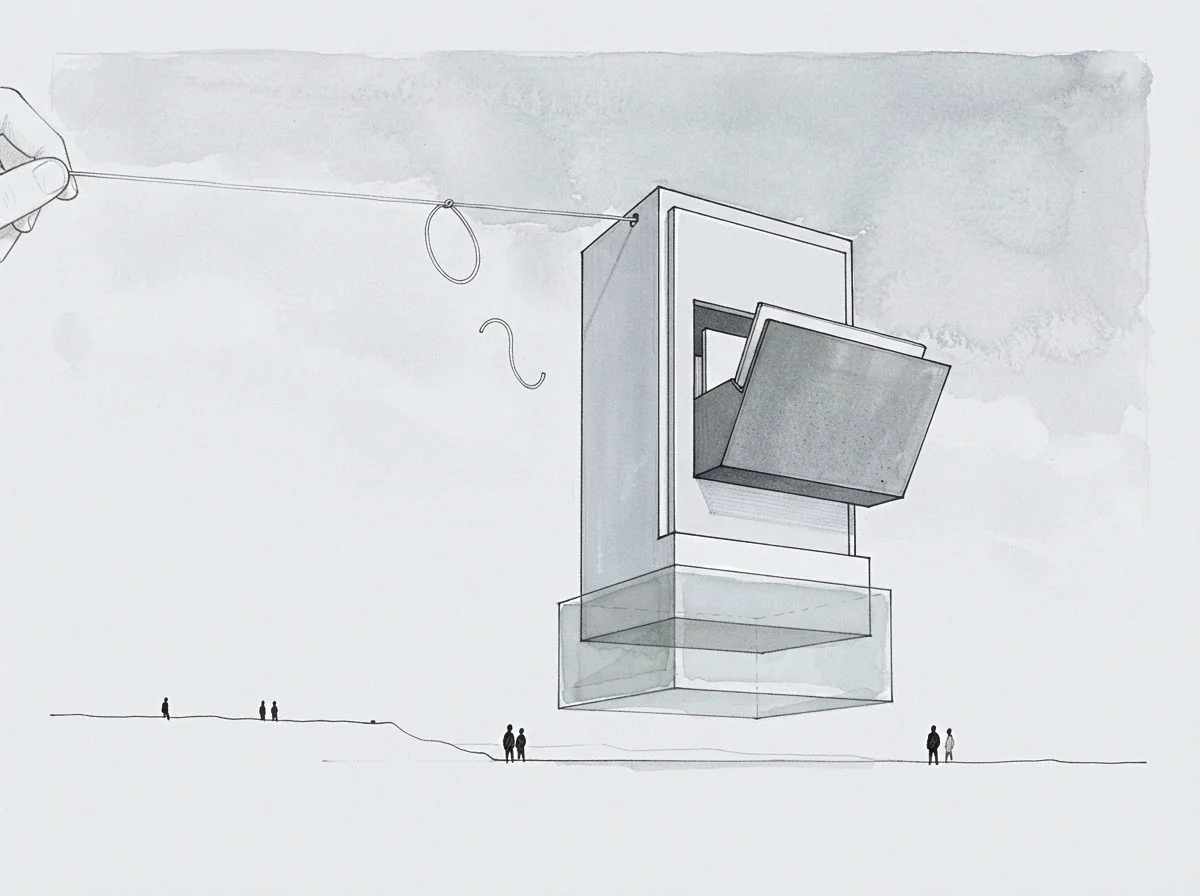
The discrete increase in fixed infrastructure required to support any higher level of production defines a major scaling threshold. A capacity step represents this non-linear addition of resources, such as hiring an extra support team or renting another warehouse. It demonstrates that growth does not occur along a smooth curve but rather moves through block additions.
Analysts use this measure to determine the point where expansion starts to lower short-term profitability before volume fills the new space.
Discrete Increment
Physical limits mean that resources cannot always be bought in tiny portions. When an organization undergoes a capacity step, it is forced to acquire a whole block of capability, such as a software license tier that jumps from ten users to one hundred. This chunk-based acquisition means that the business will temporarily operate with excess, unused potential.
Profit margins often shrink immediately after the acquisition because the cost of the step is absorbed before the new volume generates revenue.
Capital Requirement
Large block additions demand a pool of cash deployed instantly. Funding a capacity step is a major event not covered by daily cash flows. Founders must set aside cash reserves before making the commit.
Inflexibility Factor
Undoing a block addition is difficult because commitments are often locked into multi-year contracts or long leases. Once a capacity step has been executed, the fixed costs of the business rise permanently. If the expected demand fails to materialise, the venture suffers from high overheads that cannot be easily shed.
For instance, renting a larger fulfillment center creates an immediate demand for rent that remains constant even if shipped units fall by half. Therefore, the decision to take a step must be backed by reliable demand forecasts.