Meaning
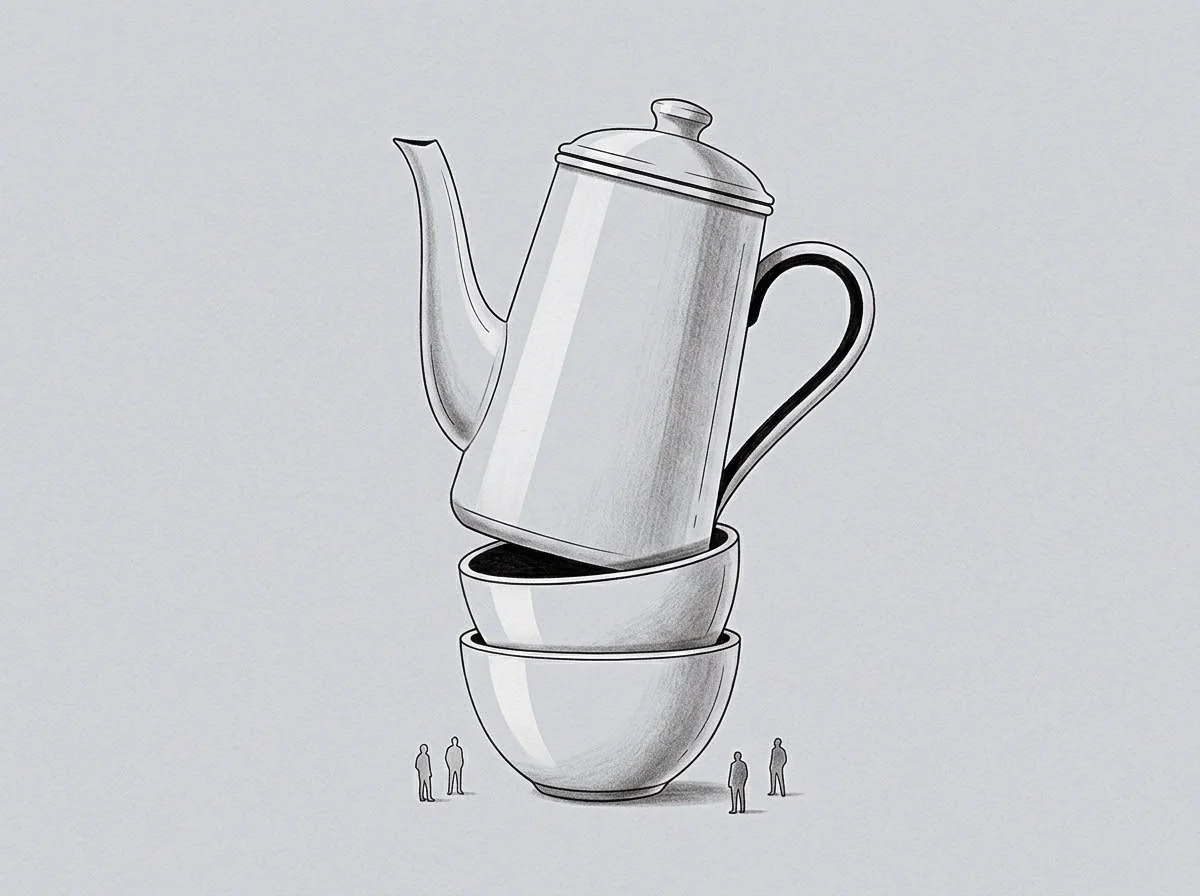
Dispersion metrics evaluate the numerical delta between available operational capacity and the volume of incoming organizational demand across discrete execution periods. When analyzing capacity variance, managers quantify the structural instability caused by fluctuating resource availability against rigid workload requirements. The measurement governs staffing decisions, infrastructure provisioning, and service level reliability across production cycles.
It stops applying when capacity becomes unconstrained or when demand patterns transition into deterministic predictability.
Allocation Volatility
Fluctuating workloads create alternating states of resource underutilization and severe operational throttling. A high capacity variance indicates that an organization cannot maintain stable throughput under varying environmental load. During peak intervals, task queues expand rapidly, increasing delivery latency and operational strain across personnel.
In trough periods, underutilized capacity inflates unit processing costs.
Throughput Delta
The difference between peak operational demand and available founder attention hours determines the severity of execution bottlenecks. Tracking capacity variance exposes whether system failures originate from absolute capacity deficits or temporary allocation mismatches. Chronic variance requires buffering strategies, such as flexible staging queues or cross-trained reserve capacity.
Stabilization Threshold
Managing operational stability requires smoothing workload inputs and establishing flexible capacity reserves. Minimizing capacity variance stabilizes delivery schedules and prevents systemic burnout across critical personnel. Systems achieve resilience when baseline capacity matches median demand while elastic mechanisms absorb transient demand spikes.