Meaning
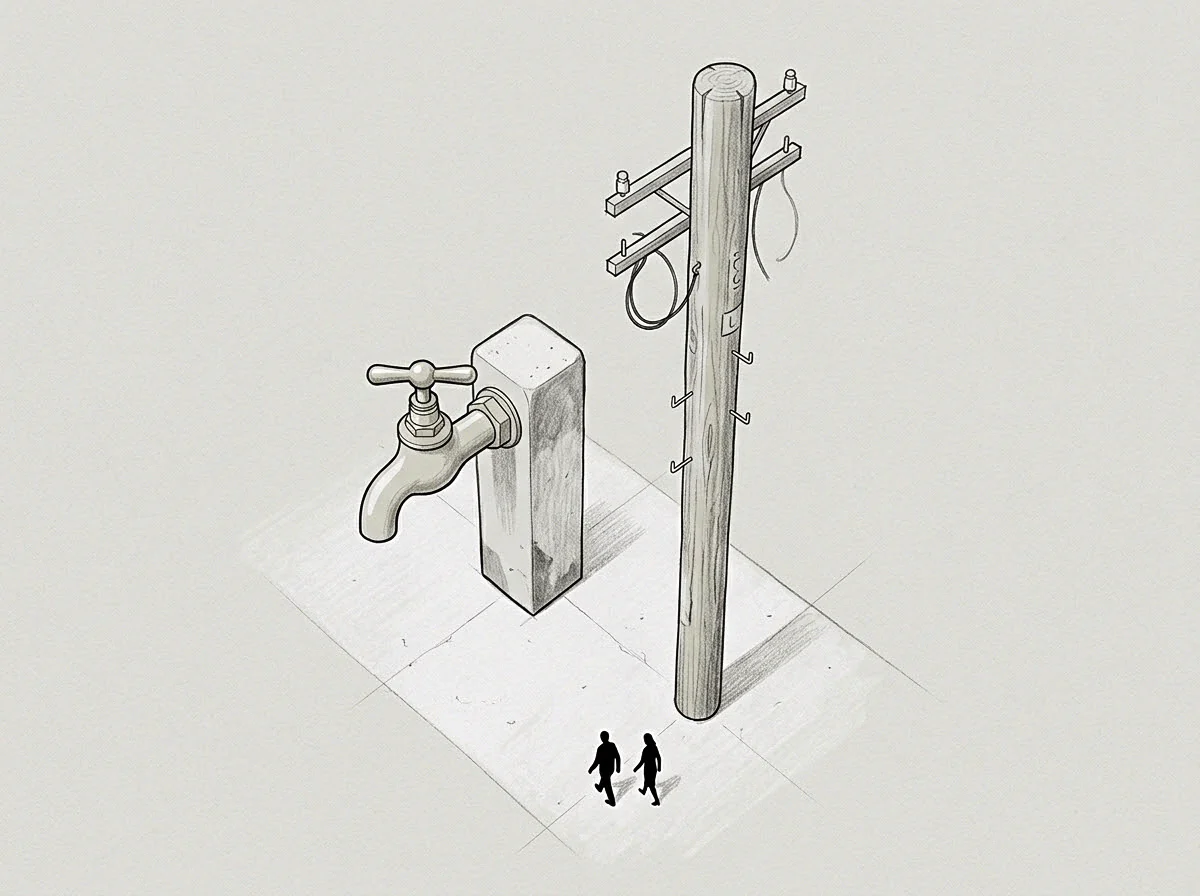
Resource saturation states occur when all preallocated database or network handles are concurrently checked out and pending requests exceed the available allocation queue. The condition of connection pool exhaustion halts forward execution for inbound transactions, causing immediate backlogs, elevated request latencies, and rapid thread consumption. This state defines a hard operational ceiling where software processes cannot communicate with backing datastores, ceasing to apply only when systems allocate unbounded, dynamically spawned network sockets.
Saturation Mechanism
Inbound queries hold physical connections while executing slow table scans, blocked transactions, or unindexed lookups. Under connection pool exhaustion, arriving worker tasks encounter an empty pool and enter a blocking wait state until an active client releases a handle. Request timeouts trigger once waiting durations exceed configured pool boundaries, throwing allocation exceptions across application layers.
Cascading resource lockups follow quickly as client threads stack up behind the depleted resource pool.
Contention Gradient
Database lock contention and prolonged network round trips accelerate the depletion of free socket allocations. Measuring the delta between lease acquisition times and actual query durations reveals structural inefficiencies in data access patterns. Connection pool exhaustion often manifests under moderate transaction volume when individual leases remain unreturned due to unhandled exceptions or missing connection closure blocks.
Application performance degrades along a steep non linear curve as pool wait times dominate total response latency.
Capacity Boundary
Sizing configurations balance database server memory constraints against application thread concurrency demands. Increasing pool limits provides temporary relief but risks overwhelming backend database engines with excessive context switching and memory pressure. Connection pool exhaustion marks the structural limit of vertical resource allocation on a single database node.
Lasting resolution requires query optimization, short connection lifetimes, read replicas, and aggressive connection return discipline.