Meaning
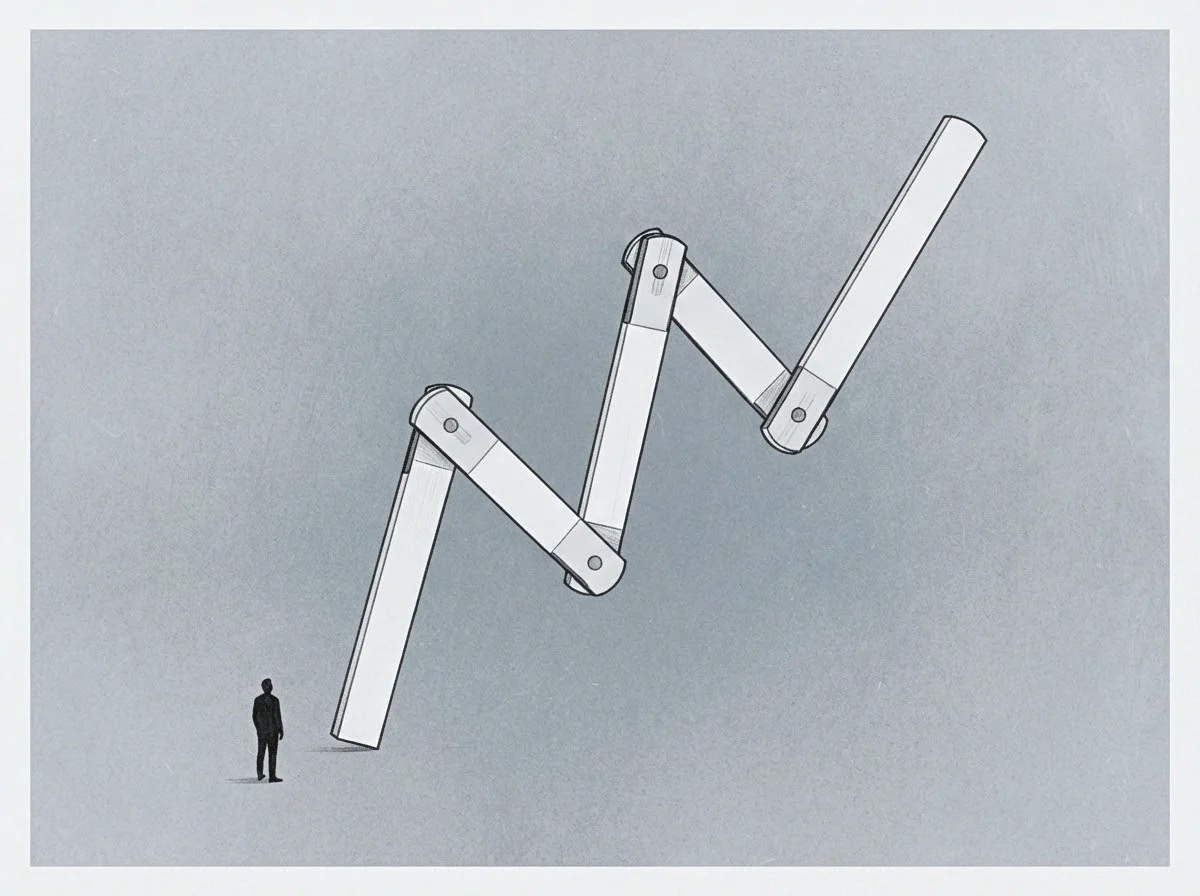
Systematic incremental deviation of an operational process from its baseline specification measures the uncalibrated movement of operating routines over time. In physical and systemic tracking, drift identifies slow departures that accumulate without generating immediate fault alerts. The phenomenon captures gradual parameter shifts across human attention, procedural fidelity, and resource allocation.
It ceases to apply when sudden structural breaks or deliberate external interventions disrupt baseline continuity.
Accumulation Rate
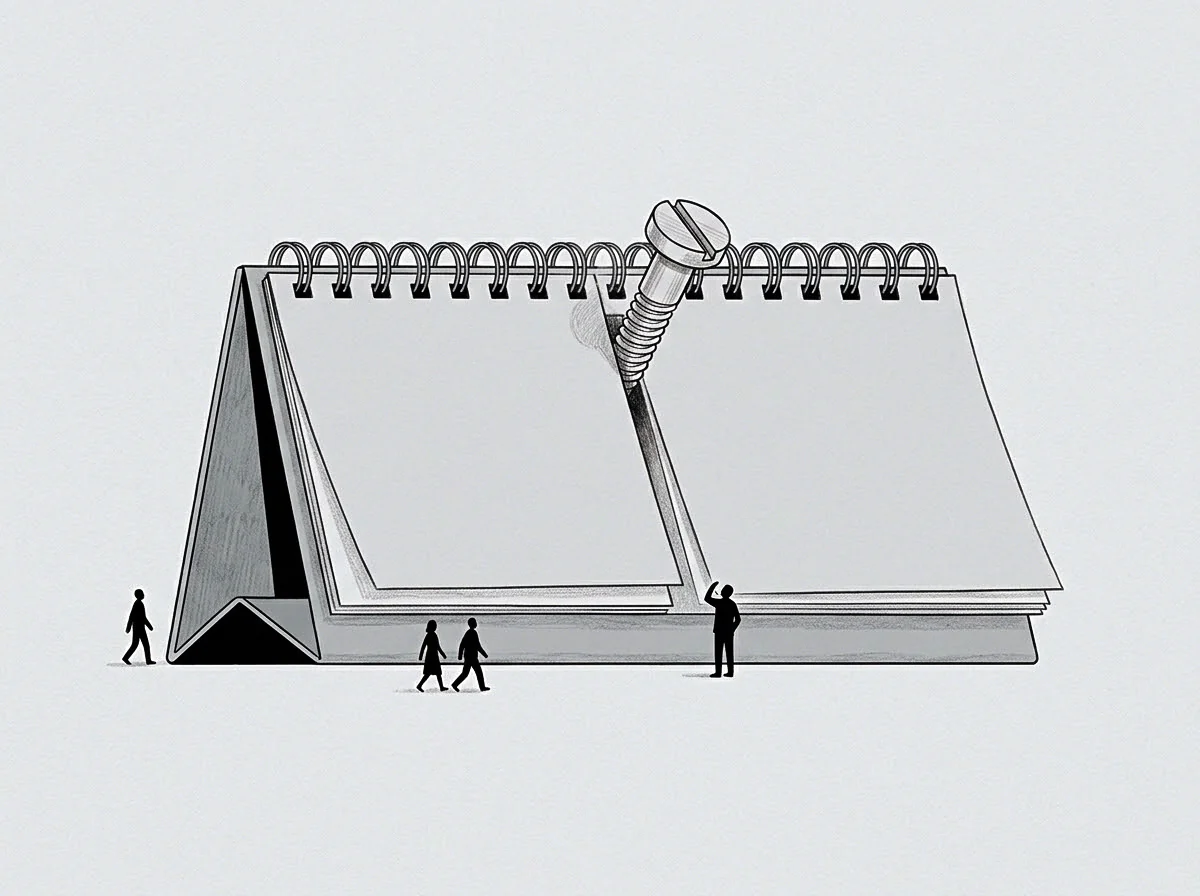
Subtle modifications to execution routines compound across successive operational cycles. In production environments, drift operates below standard detection thresholds because individual variations fall within permissible tolerance limits. Small exceptions made to meet immediate deadlines gradually solidify into informal operating norms.
These unrecorded procedural changes displace formal specifications without triggering supervisory reviews or quality warnings.
Calibration Interval
Regular empirical recalculation establishes the true delta between formal operating targets and actual floor execution. Periodic reconciliation audits isolate process slippage before systemic variance degrades output quality. When organizations extend intervals between calibration checks, operational divergence expands predictably.
Shortening calibration loops preserves process fidelity across distributed teams.
Boundary Limit
Linear tracking of progressive slippage fails when a system crosses non-linear phase thresholds. Sudden operational collapse or rapid market shifts obscure incremental movements entirely. The metric applies strictly to steady-state operations where baseline parameters remain structurally continuous.
Outside these stable operational windows, sudden discontinuous jumps override gradual procedural departure.