Meaning
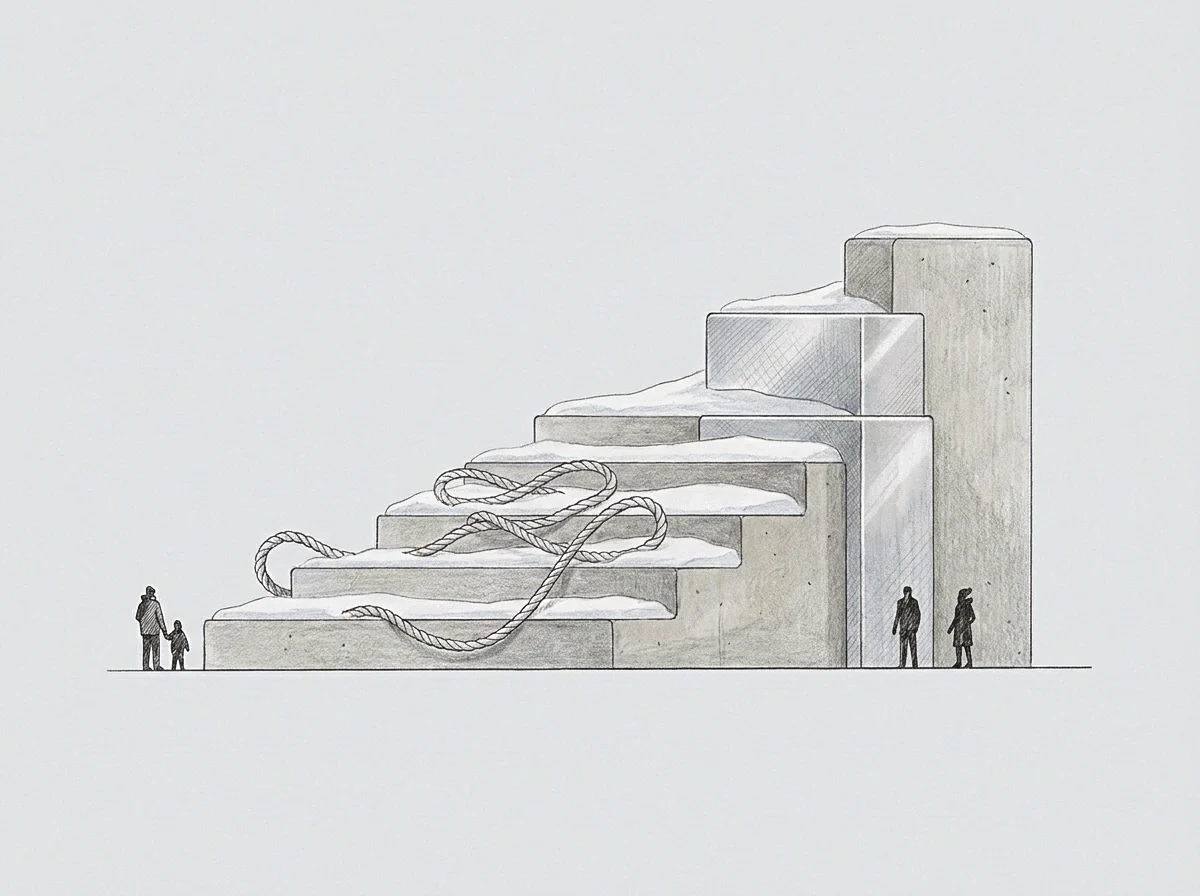
Energetic flow identifies the rate of cognitive and physical attention expended on operational tasks versus strategic growth initiatives within a post-founding business cycle. This metric maps the intensity of human resource allocation against the intended trajectory of an organization. It functions as a cardinal measure of organizational focus, tracking where human output concentrates during the transition from initial setup to sustained activity.
Resource Allocation
Managers use energetic flow to detect hidden friction where systemic complexity forces a team to spend disproportionate capacity on maintenance rather than innovation. When the volume of routine transactions rises, the capacity available for expansion contracts. Practitioners compare the ratio of time spent on reactive problem solving against the hours dedicated to proactive development to identify this shift.
Performance Velocity
Consistent energetic flow indicates a steady state of organizational health that resists the degradation of internal processes over time. Divergence from historical averages signals a mismatch between the current operational load and the intended growth strategy. High output in one area often correlates with a deficit in another, showing that teams rarely expand their total work capacity without significant structural changes.
Decision Mechanism
Leaders rely on this observation to reconfigure workflows when the data demonstrates that current labor distribution inhibits long-term objectives. A shift in the allocation of hours forces a revision of internal priorities to align with the capacity of the staff. Adjustments to these variables serve as the primary instrument for maintaining stability without increasing the headcount.