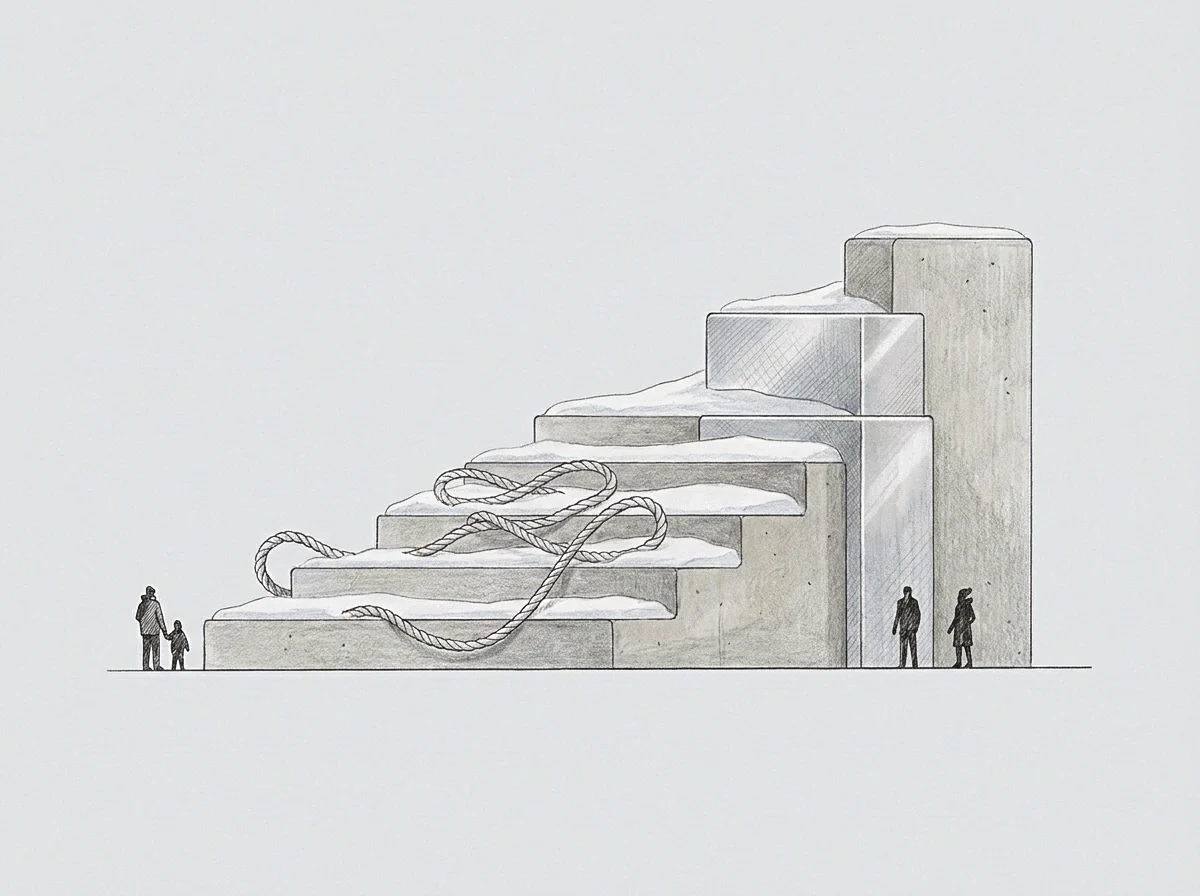
Meaning
Specific interactions or steps within a workflow generate resistance that slows the transition from one state to another. These friction points represent localized inefficiencies where energy or attention is consumed without producing a corresponding increase in value. They appear in both digital interfaces and physical processes as moments of hesitation or delay.
Identification of these areas marks the boundary where a smooth process becomes obstructed.
Internal Resistance
Administrative hurdles often create bottlenecks that stall the progress of a project. When friction points are left unaddressed, the cumulative delay increases the total cost of operation. These obstacles might include redundant approvals or poorly designed data entry forms.
Reducing the number of steps required to complete a task is the primary method for mitigation.
Detection Methods
Measurement of the time elapsed between specific milestones highlights where the process stalls. High variance in the duration of a single step often indicates the presence of friction points. Users might bypass the standard procedure if the resistance is too high, leading to data loss.
Observation of these workarounds provides direct evidence of where the system is failing.
Strategic Mitigation
Removal of unnecessary complexity allows for a higher rate of throughput across the entire system. Because friction points are often structural, solving them might require a complete redesign of the sequence. Automated triggers can replace manual handoffs to eliminate human wait times.
The goal is a steady flow where each transition occurs with minimal loss of momentum.