Meaning
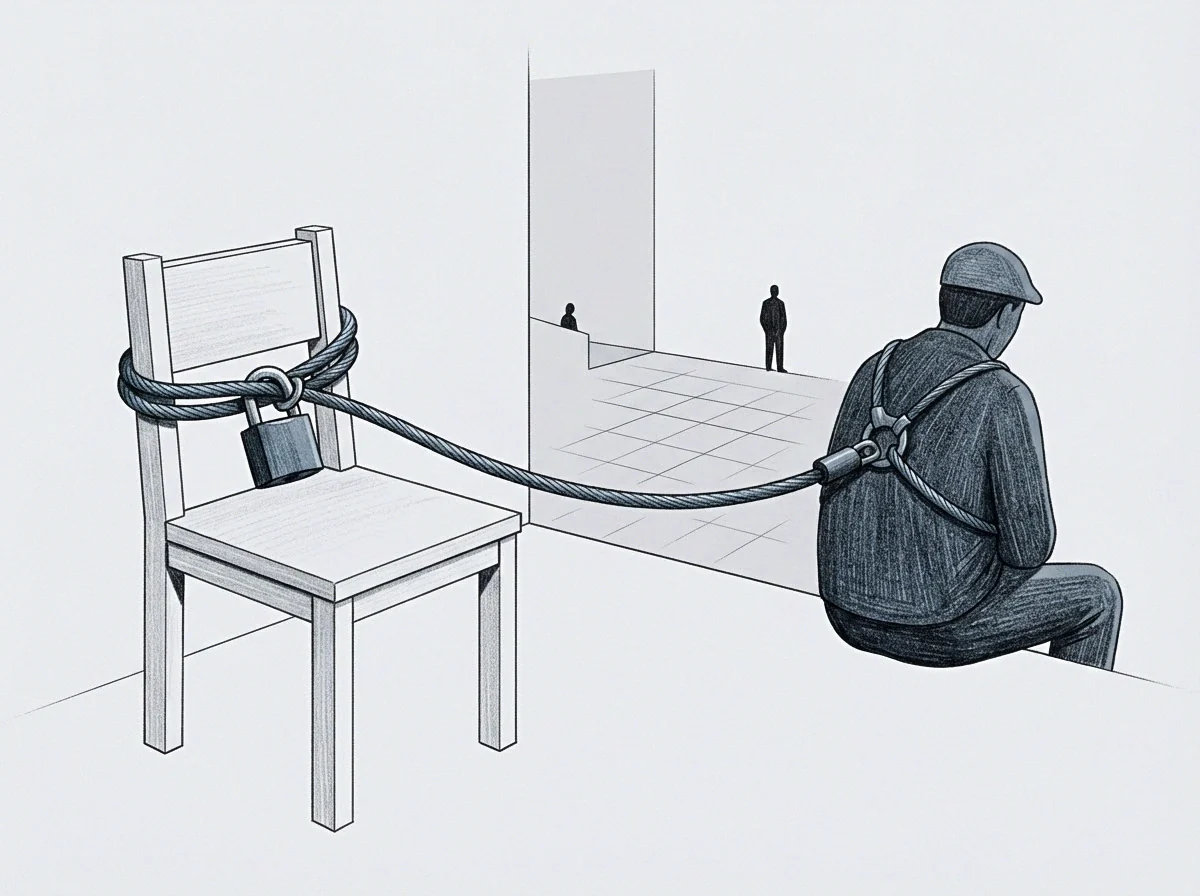
Mechanistic processes increase the difficulty of a task as a project or relationship progresses to discourage impulsive changes. A friction ratchet ensures that while starting a process might be simple, reversing or altering it requires more steps. This design prevents the erosion of long term strategy by short term emotional reactions.
It functions as a stabilization tool in complex environments where consistency is more valuable than rapid pivoting.
Procedural Lock
Commitment to a path becomes stronger as more layers of the organization sign off. The friction ratchet makes it easy to add details but difficult to remove them once they become part of the documentation. This ensures that every stakeholder has considered the implications of a change before it is finalized.
It protects the integrity of the original plan against minor distractions.
Cost Increase
Resource requirements grow at each step of the process. If a team wants to change a core feature late in the cycle, the friction ratchet imposes a high attention cost. This cost forces the team to justify the change against the potential delay.
When the cost of change exceeds the projected benefit, the project remains on its original course.
Output Stability
Prediction of final results is easier when the path is resistant to change. The presence of a friction ratchet provides a clear view of the final destination once the initial stages are passed.