Meaning
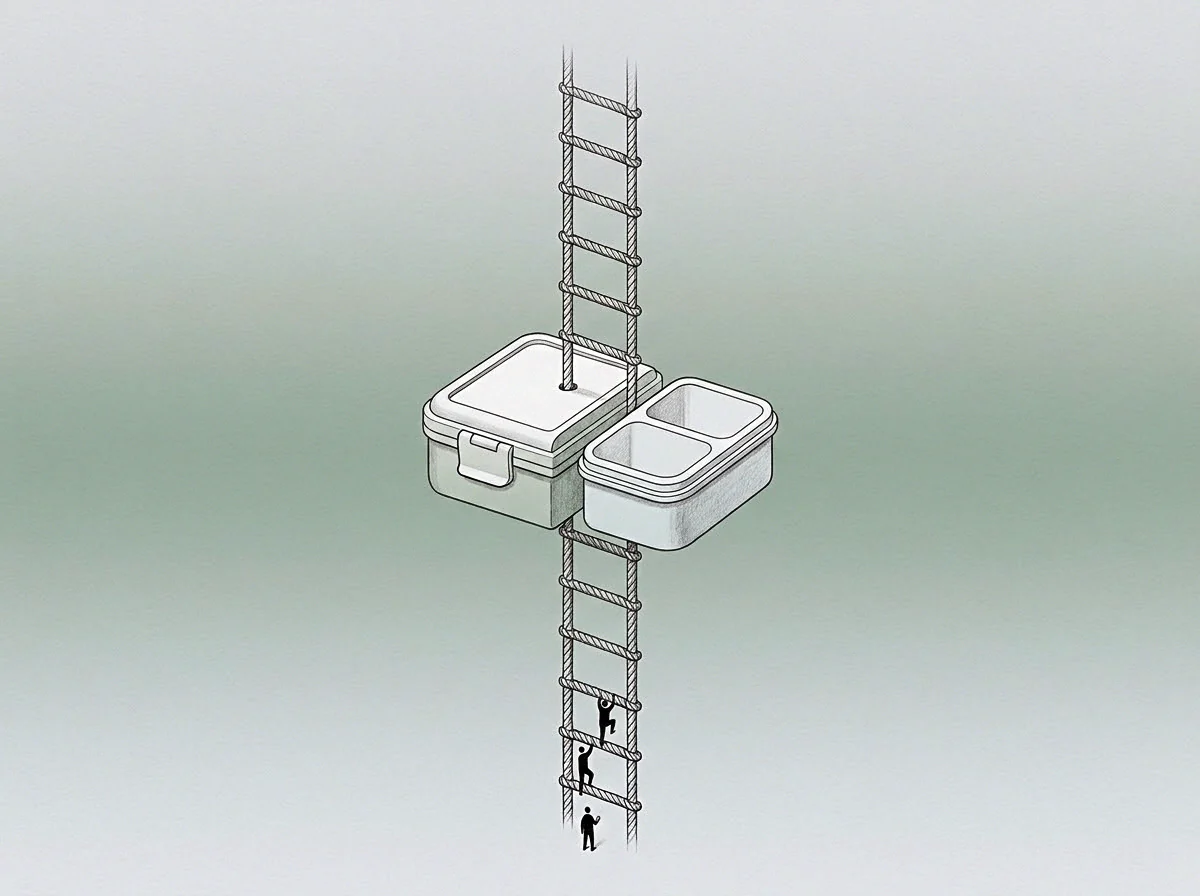
Friction vectors represent quantitative measurements of internal resistance encountered within organizational processes during the transition between growth phases. These friction vectors operate as ordinal data points that identify where energy expenditure exceeds expected output due to structural misalignment or communication delays. Each measurement isolates a specific point of drag rather than assigning blame to human participants.
Operational Signal
Practitioners monitor these indicators to determine if an activity consumes more attention hours than its projected return justifies. A sudden change in a vector highlights an underlying shift in procedural efficiency that requires adjustment to restore flow.
Velocity Constraint
The measurement identifies the specific boundary where a workflow loses momentum because the required information fails to reach the next operator without interference. When multiple paths converge on a single bottleneck, the resulting accumulation of energy creates a measurable increase in the resistance coefficient of the entire system.
Decision Framework
Decisions based on these metrics allow for the reordering of tasks to minimize the sum total of drag across the remaining life of the entity. Managers prioritize the reduction of the highest magnitude vector to gain the most substantial increase in total system velocity. A high magnitude vector indicates a fundamental incompatibility between current internal capacity and the intended operational goal.