Meaning
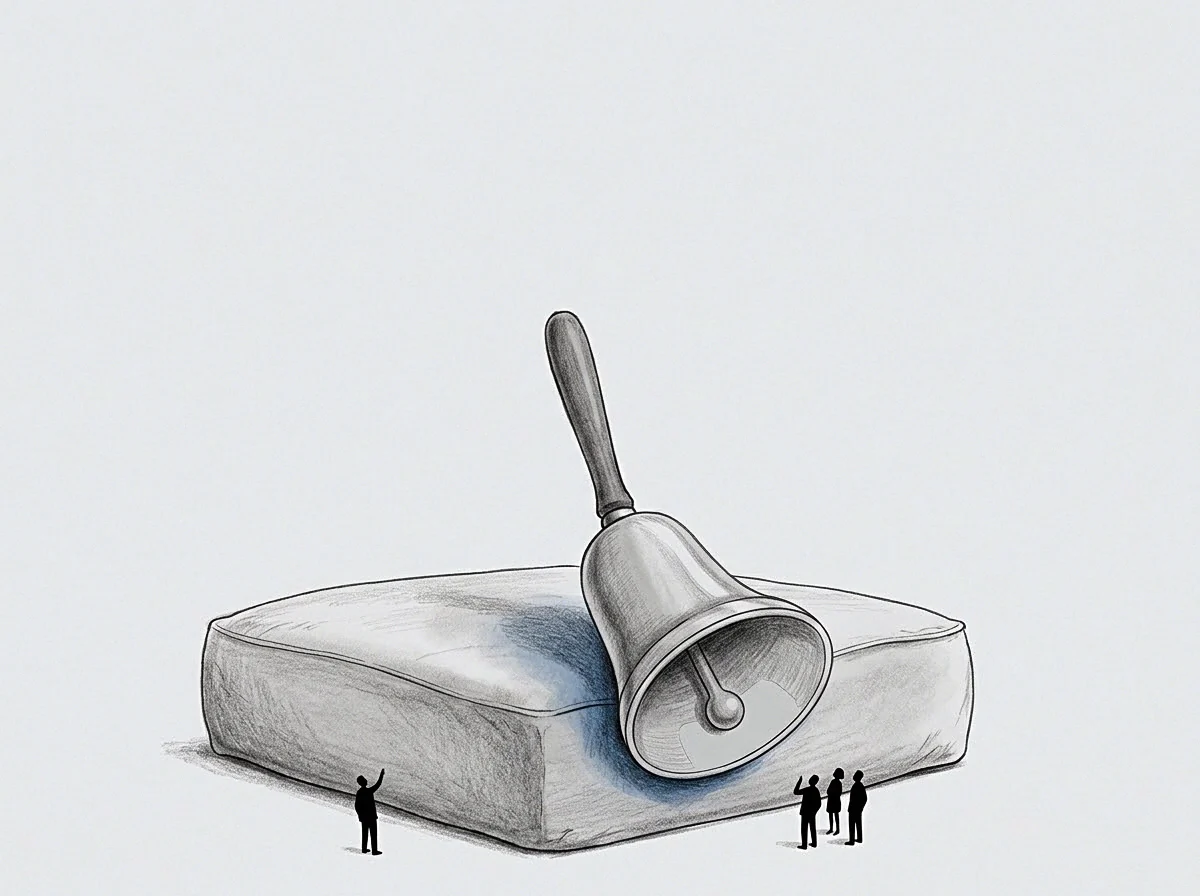
Systemic congestion manifests when internal dependencies, sequential review bottlenecks and transactional backlogs completely arrest the throughput of work within an administrative pipeline. Known as hydraulic stall, this failure state describes the condition where work-in-progress accumulates to an extent that prevents incoming requests from moving forward, irrespective of additional input pressure. The concept measures throughput collapse across an entire workflow rather than isolated mechanical stoppage.
It stops applying to deliberate pauses initiated by project cancellation, legal injunction or emergency stop procedures.
Backpressure Generation
Workflows rely on specific downstream absorption rates to maintain continuous operational movement. When a single review station or approval step operates with insufficient throughput capacity, hydraulic stall develops as work piles up behind the restrictive point. Backpressure ripples backward through the network.
Upstream operators find their handoffs rejected, forcing them to store unfinished inventory or pause functional output. The entire operational chain halts, caught in an inflexible administrative queue.
Throughput Asphyxiation
Adding resources to upstream creation stages during a systemic freeze only worsens operational paralysis. As hydraulic stall tightens, coordination overhead increases exponentially, diverting remaining operational capacity toward triage and status reporting rather than task completion. Work in progress ages without conversion to output.
The enterprise expends capital continuously while realizing zero finished deliverables. Resolving this requires clearing the restrictive nexus rather than accelerating production lines upstream.
Network Clearance
Restoring operational flow requires actively shedding non-critical transactions and dismantling artificial review gates. Relieving hydraulic stall demands establishing strict work-in-progress limits, temporarily halting intake and routing assets straight to the bottleneck. Bypassing non-essential secondary validations restores baseline fluid dynamics.
Once the queue drains, leadership must reconfigure flow rates to match the slowest constraint in the path. Sustained operational balance demands permanent alignment between systemic capacity and administrative intake volume.