Meaning
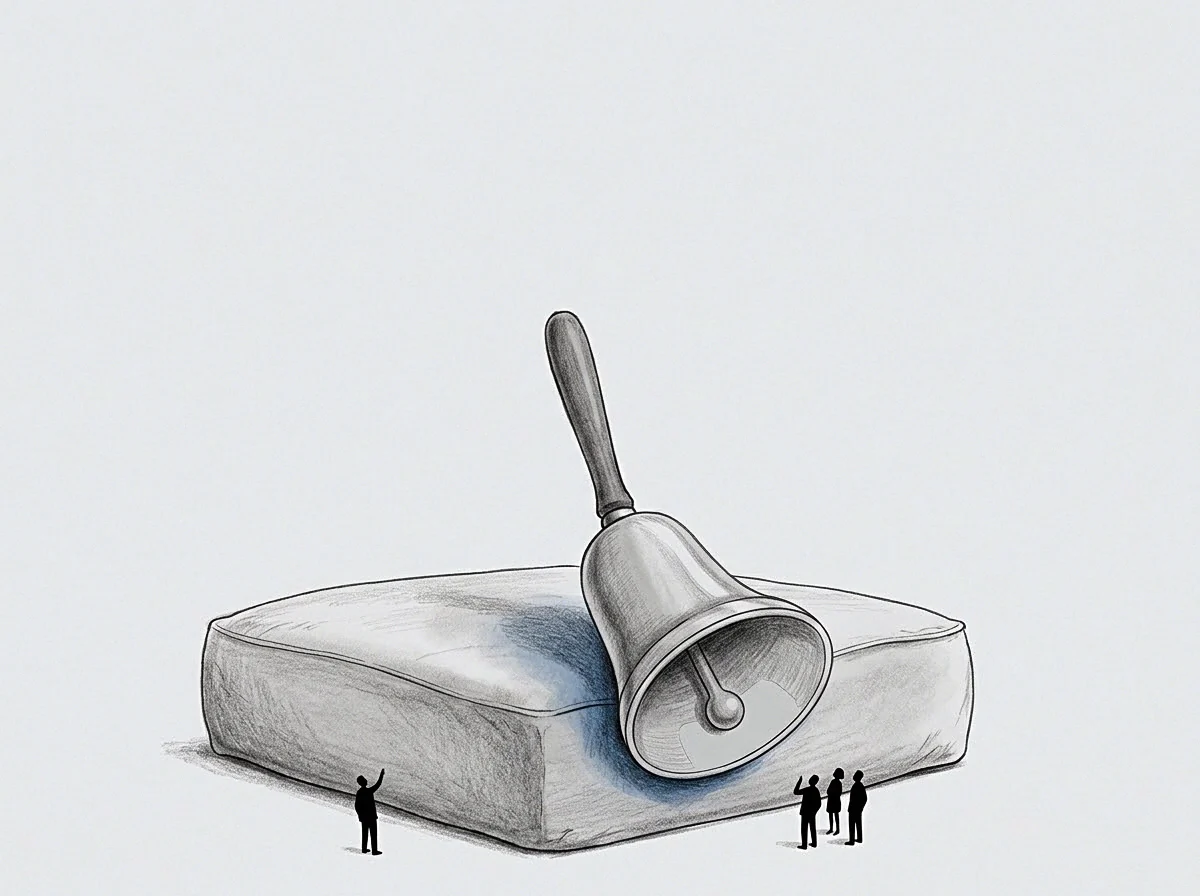
Administrative evasion describes a formal deviation from established reporting protocols intended to reduce the visibility of specific organizational activities to external regulators. Practitioners employ administrative evasion when the cost of full compliance creates a persistent drain on internal attention or operational velocity. This process operates by shifting data entry tasks into lower-priority categories or by exploiting ambiguity in the classification of proprietary outputs.
Regulatory Friction
The primary mechanism relies on the selective application of nomenclature to obscure the nature of internal transitions. Personnel might classify a core engineering development as a research project to avoid the audit cycles typically reserved for production releases. Such technical mislabeling creates a gap between the internal reality of a project and the data reported to oversight bodies.
By reducing the number of trigger points for mandatory reviews, an organization minimizes the interruptions caused by persistent external inquiry.
Measurement Logic
Calculation occurs along an ordinal scale that maps the gap between expected oversight frequency and actual reporting depth. Practitioners assign a delta to each classification choice based on the resulting reduction in required documentation hours. Higher values on this scale indicate a more successful reduction in regulatory load for a given unit.
This metric allows a founder to quantify the efficiency gain attained by avoiding administrative procedures that lack clear utility for the business.
Systemic Consequence
Frequent application of these methods carries the long-term risk of a mismatch between the internal knowledge base and public documentation. A divergence in documentation creates a liability if the organization later requires external verification for financial or legal purposes. The loss of a unified record forces a reconciliation phase that consumes the capacity previously recovered through the initial evasion.
Consistent reliance on these tactics diminishes the quality of internal data accuracy.