Meaning
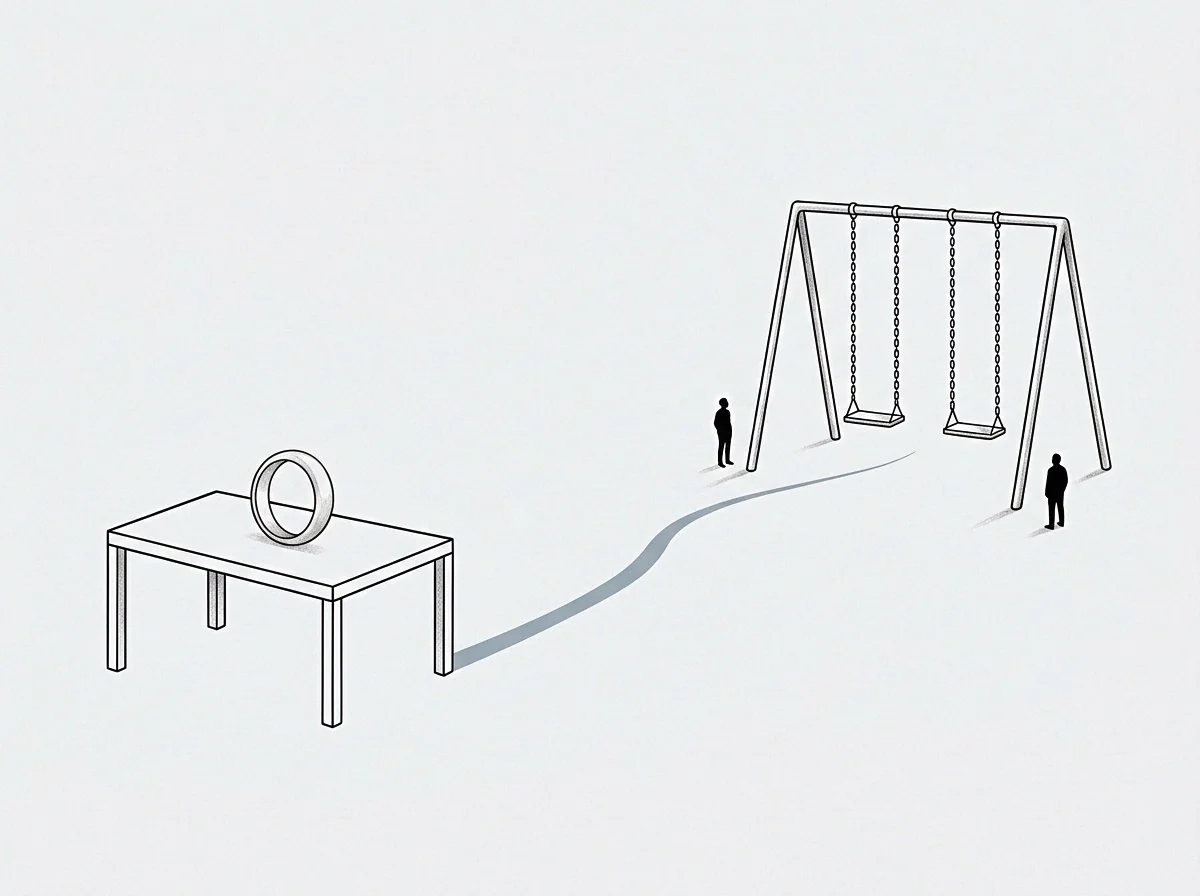
System states fluctuate according to the current environment and the previous history of change. A hysteresis loop tracks the gap between the path of growth and the path of contraction. It measures how much more energy is required to restore a previous level of performance than was required to reach it originally.
The concept stops being useful once the system reaches a new equilibrium where past states no longer influence future behavior.
History Influence
Memory of past failures or successes dictates the current response to new opportunities. When a hysteresis loop is present, the organization does not react to an increase in demand the same way it reacted to a previous decrease. This happens because the internal culture and the external brand have been modified by the experience.
The cost of returning to a baseline is often higher than the cost of the initial departure.
Path Dependence
Every decision made during a crisis leaves a residue on the operational model. Because of this, the trajectory of a company is never a simple linear function of its inputs. A person observing this loop sees that the company requires a massive push to restart momentum after a period of stagnation.
This resistance is the physical sign of the loop in the human and technical systems of the firm. It explains why some startups fail to grow even when market conditions improve.
Energy Loss
The reduction of this area depends on simplifying the decision paths and clearing out the emotional or procedural debt accumulated during the cycle. The area inside the loop represents the lost potential and the extra cost of management.