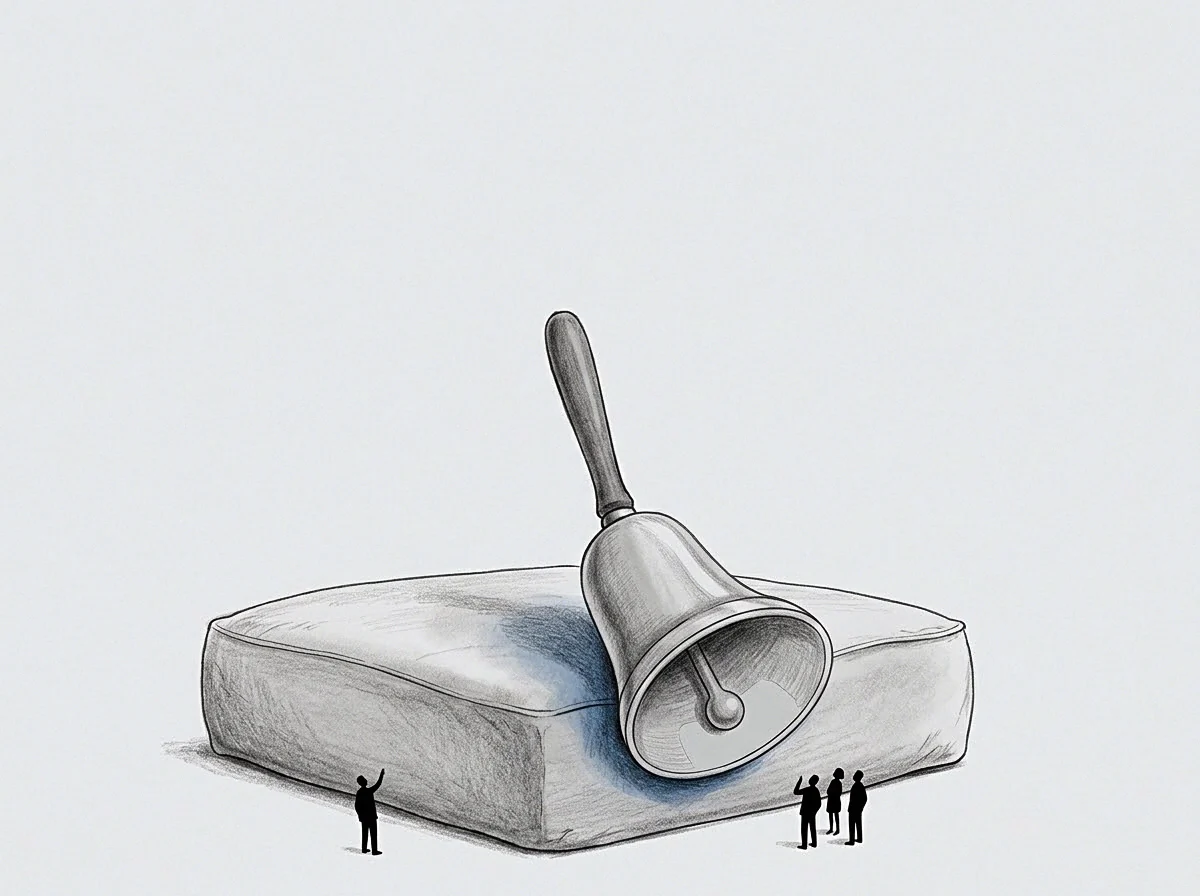
Meaning
Unofficial lateral messaging describes the practice of negotiating, exchanging operational data and securing commitments outside documented corporate governance structures. Known as informal backchanneling, this pattern operates in every enterprise to bypass procedural drag, preempt bureaucratic resistance or accelerate political alignment across siloed departments. It tracks interactions occurring on private messaging platforms, unrecorded voice calls or casual physical encounters.
The boundary of this mechanism ends where communications are formally entered into company logs, institutional ticket archives or auditable public records.
Operational Efficiency
Official pathways for intra-company coordination often suffer from heavy administrative burdens and excessive visibility risks. When participants need to resolve ambiguities without committing to institutional positions, informal backchanneling provides the necessary low-friction testing ground. Hypotheses, unvetted estimates and preliminary terms are evaluated without reputational penalties.
This private coordination compresses alignment cycles from weeks into minutes. The speed of execution improves precisely because the communication leaves no bureaucratic footprint.
Governance Degradation
Systematic reliance on untracked conversations creates significant informational asymmetries across the broader enterprise. When informal backchanneling replaces institutional channels, individuals outside these personal networks find themselves blindsided by unexpected strategic changes and pre-negotiated consensus. Decisions appear without discernible evidentiary lineages.
Operational transparency vanishes, creating an organizational environment where institutional knowledge resides exclusively in personal memories. The company risks losing critical continuity whenever key backchannel participants leave.
Systemic Dependency
Organizations frequently become functionally dependent on informal negotiations to compensate for broken administrative frameworks. Rather than reforming slow approval chains, teams fall back on informal backchanneling as the operational baseline for getting work completed. This reliance conceals underlying organizational dysfunction from executive scrutiny.
The company appears to function smoothly, yet its operation is entirely held up by informal social arrangements. Structural reform remains deferred until those unmonitored lateral channels fail under unexpected organizational stress.