Meaning
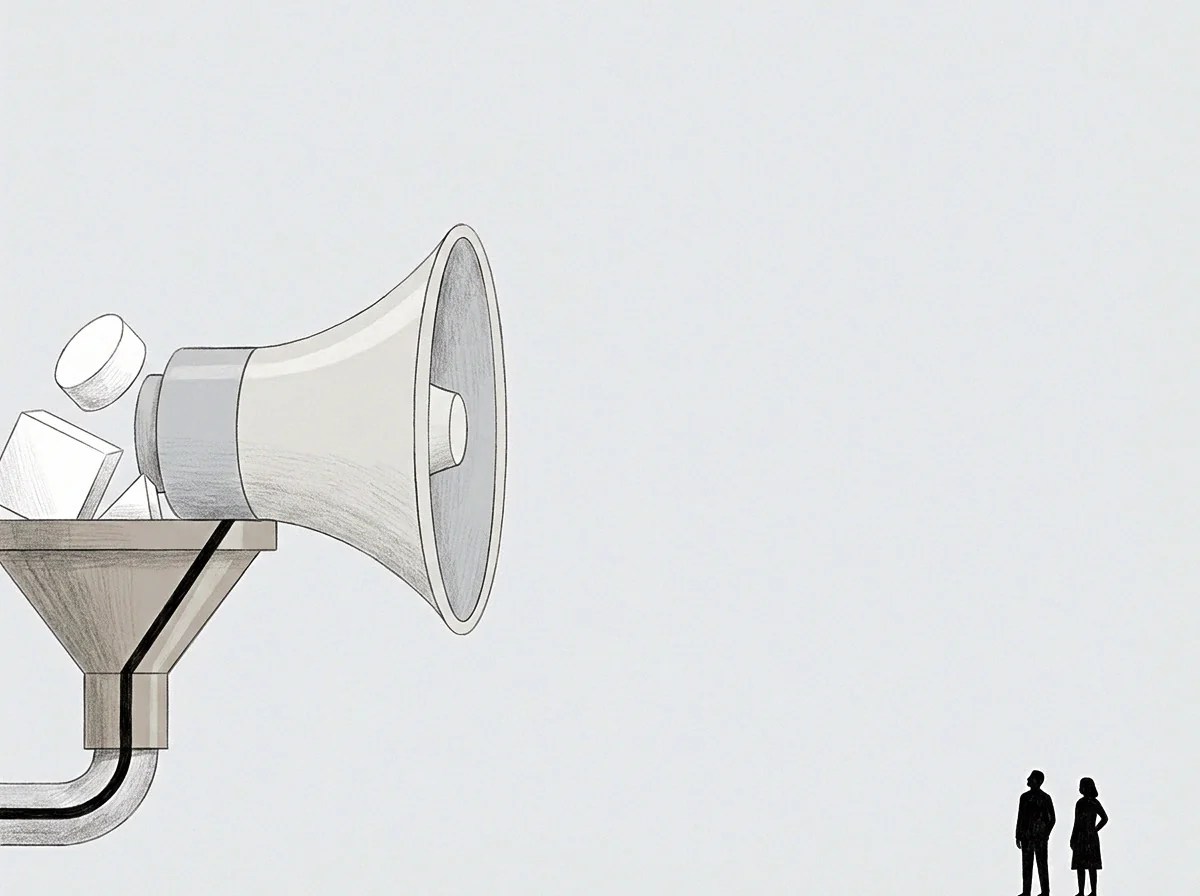
Self-service routing reduces the volume of direct human interaction required to resolve a technical or procedural query. The practice of interface deflection involves positioning automated documentation or diagnostic tools ahead of more expensive support channels. This strategy minimizes the energy cost spent on repetitive low-value transactions.
Channel Priority
Organization of contact points ensures that the most accessible methods are also the most automated. A user encountering a problem is first presented with a searchable knowledge base or an interactive troubleshooting guide before a phone number or email address is revealed. Efficiency increases with this hierarchy.
Routing Efficiency
Successful deflection relies on the accuracy and accessibility of the secondary support layers. A company might track the ratio of users who initiate a search to those who eventually open a help ticket. When the knowledge base is effective, the majority of users find answers without human intervention.
This reduction in volume allows the support staff to focus their energy capacity on complex issues that require creative problem solving.
Contact Frequency
Measurement of the rate at which users bypass the automated interface provides a signal regarding the quality of the documentation. Frequent bypass indicates that the current interface deflection is failing to meet the information needs of the audience. The system requires adjustment.