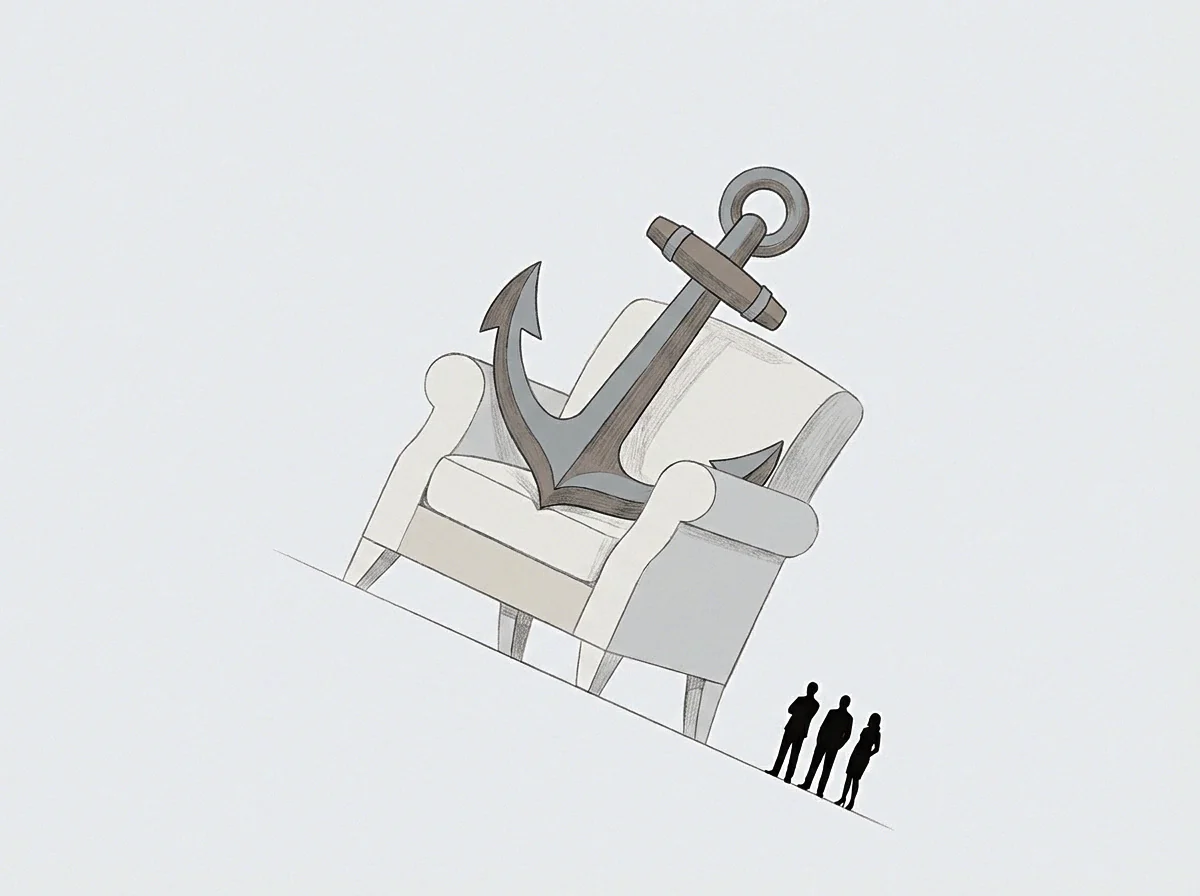
Meaning
Deterioration of industrial equipment during temporary outdoor storage reduces the reliability of assets before they are installed. Protective barriers frequently fail when items sit exposed to the elements, resulting in laydown yard degradation of mechanical and electrical components. This measurement tracks the loss of functional capability during the storage phase of a construction project.
It terminates when the equipment is moved to its final operating position or is rejected during commissioning.
Financial Influence
Storing valuable equipment in open yards poses a financial risk to the project budget. When laydown yard degradation occurs, project managers must allocate funds for reconditioning or purchasing replacement parts, which can lead to project delays. This added cost reduces the profitability of the development.
Proper inventory management helps mitigate these unplanned expenses.
Mitigation Procedure
Systematic preservation protocols protect assets from environmental damage during the pre-commissioning phase. Preventing laydown yard degradation requires regular application of rust inhibitors, protective coverings, and turning shafts to prevent bearing seizure. These routine activities require dedicated maintenance personnel during the construction period.
Storage Environment
Local climates influence the intensity of damage sustained by stored materials. High humidity and temperature fluctuations accelerate laydown yard degradation by causing condensation to form on metal surfaces. Areas with high industrial pollution present even greater risks.
Proper site selection and drainage reduce these environmental impacts.