Meaning
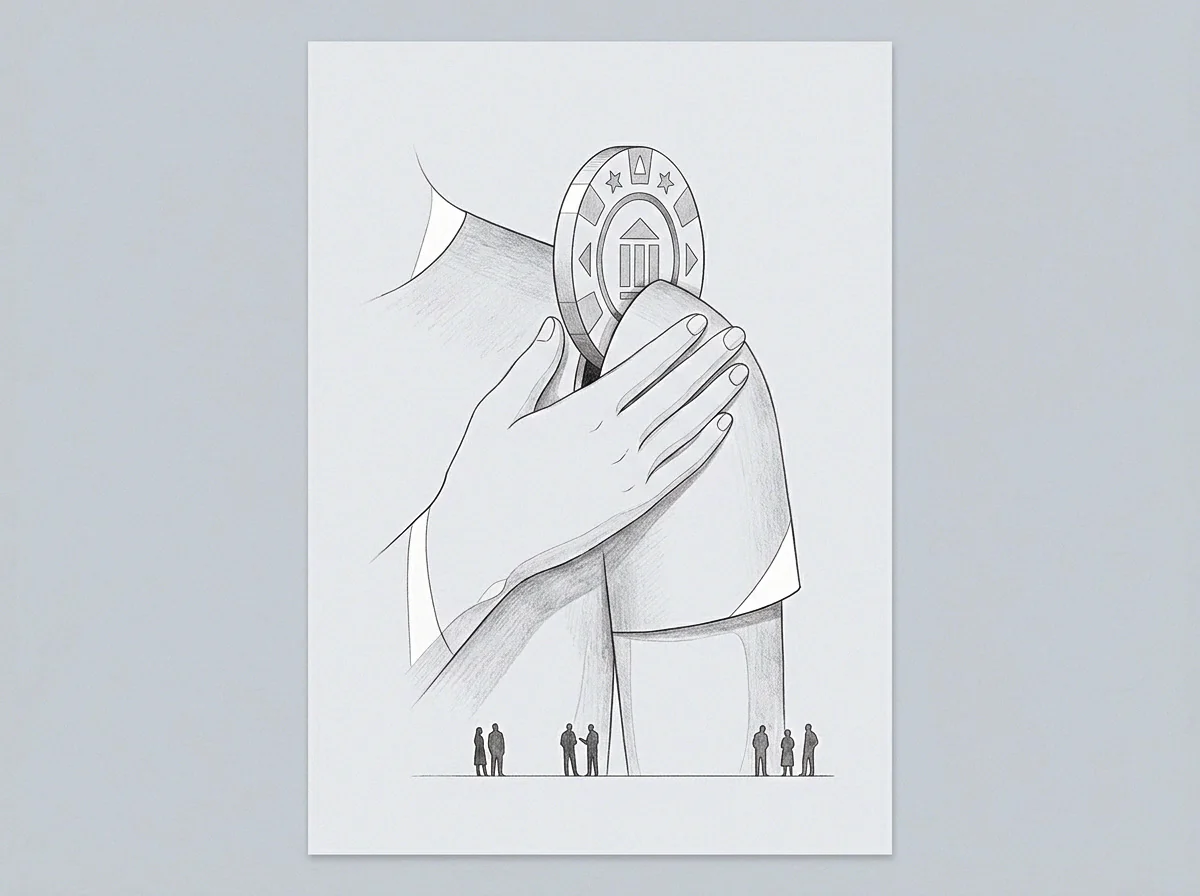
Structural order book thresholds consist of dense clusters of limit orders resting at explicit price levels that impede directional price discovery. In microstructural analysis and algorithmic execution design, liquidity walls represent cardinal quantities of standing buy or sell volume capable of absorbing incoming market orders without yielding tick movement. These barriers act as localized pricing shock absorbers, forcing institutional participants to either split trade sizes or route child orders across alternative trading venues.
The metric operates within continuous limit order book environments. It ceases to govern execution dynamics during fragmented auction calls or when internal dark pools conceal trade interest entirely.
Order Density
Depth concentration behind specific quote levels alters the immediate game-theoretic behavior of automated execution algorithms. As trading volume approaches prominent liquidity walls, adverse selection risks escalate for aggressive market participants, who face immediate price rejection upon exhausting resting depth. Passive algorithmic makers adjust order queues to position behind these defensive blocks, shielding their inventory from sudden market runs.
Momentum Absorption
Kinetic energy dissipation occurs when incoming order flow exhausts itself against massive resting limit order arrays. Trades encountering persistent liquidity walls experience steep market impact costs without achieving commensurate directional progress across the spread. The resulting trading friction drains operational execution budgets while signalling trader intent to the broader market.
Fleeting Presence
Algorithmic barriers engineered for routing deterrence often exhibit transient existence rather than firm capital commitment. High-frequency market makers frequently cancel liquidity walls milliseconds before incoming order flow matches, allowing prices to move through previously protected levels. Quantitative execution models discount uncommitted depth to prevent erroneous routing decisions.