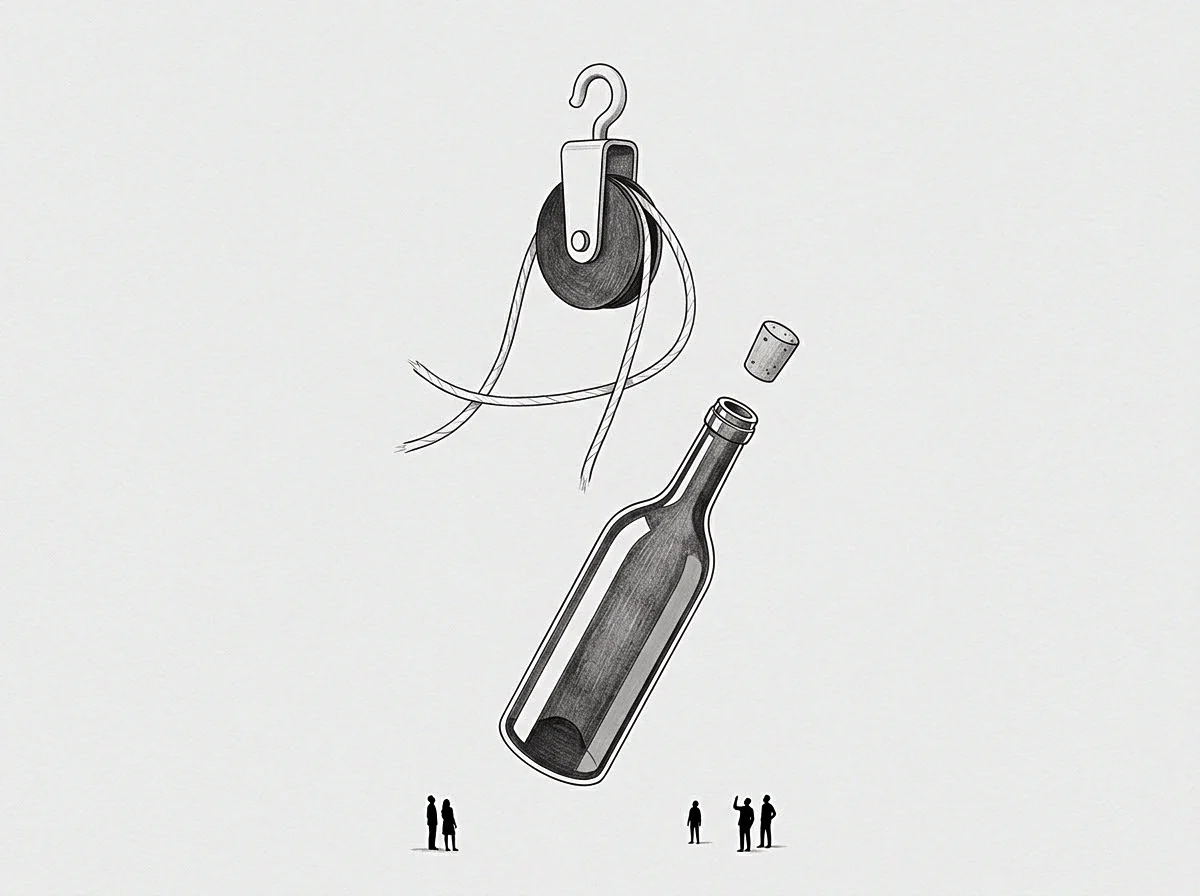
Meaning
The total physical or computational work demanded of a system during operation determines its resource consumption and wear rate. A heavy mechanical load on infrastructure or human systems forces components to run at near-capacity levels, increasing the risk of sudden failure. This demand can be measured on a cardinal scale of throughput per unit of time.
It sets the baseline for determining the necessary capacity of the hardware or team.
Systemic Strain
Operating systems under constant pressure experience accelerated degradation of their primary physical or logical parts. When the mechanical load remains elevated, scheduled maintenance becomes harder to perform without interrupting the user experience. This constraint creates a backlog of technical debt that can destabilize the platform during peak usage.
Monitoring stress points helps predict where the next bottleneck will occur.
Capacity Requirement
Proper resource provisioning ensures that the system handles spikes in demand without experiencing performance degradation. The allocated capacity must exceed the expected mechanical load to ensure continuous service availability.
Break Limit
Long-term scaling strategy depends on migrating workloads to architectures that can scale horizontally rather than vertically. If the mechanical load consistently approaches the maximum capability of the system, migration must be prioritized to avoid catastrophic failures. Successful leaders treat these limits as signals to invest in automation and infrastructure upgrades rather than pushing existing resources harder.
This proactive investment ensures that the system remains stable as the business continues to grow.