Meaning
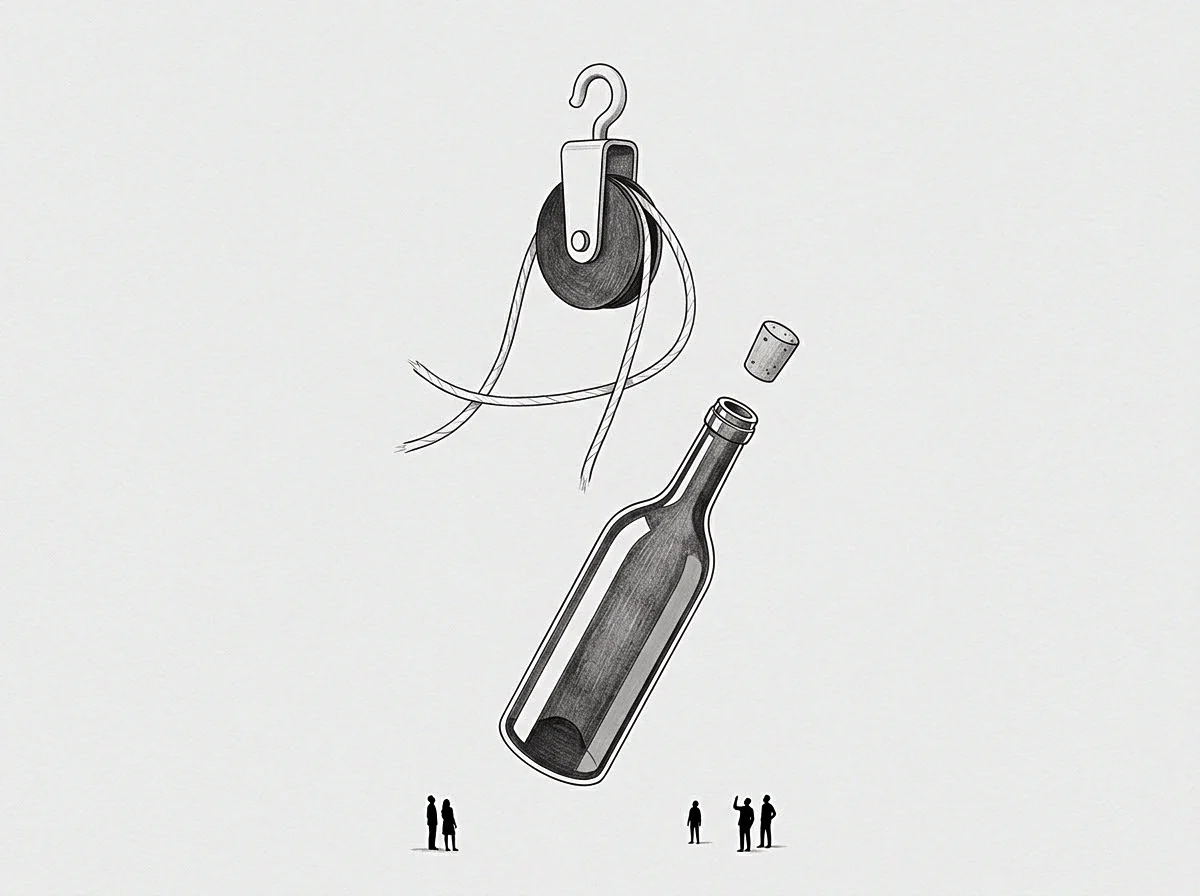
Internal loads and tensions within an organization’s operational framework that occur when workload demands exceed system capacity represent the primary indicators of operational friction. The structural stress becomes apparent when workflows, technology, or staffing levels are stretched beyond their designed limits. By measuring these tensions, management can identify systemic vulnerabilities before they lead to operational breakdown.
Resource Constraint
Over-allocation of human or technical assets leads to a gradual reduction in system responsiveness. The structural stress develops when these constraints remain active over extended periods, preventing the system from returning to its baseline state. This persistent load decreases employee retention and increases error rates in routine processes.
Deformation Rate
The speed at which operational efficiency degrades under heavy loads provides a measure of organizational resilience. The structural stress grows non-linearly as additional volume is forced through a saturated channel. If the rate of deformation is high, even minor spikes in demand can cause backlogs that take weeks to clear.
Conversely, a resilient structure absorbs these surges without lasting degradation.
Failure Point
Every operational design has a maximum limit beyond which it cannot function. The structural stress eventually triggers a failure point, resulting in service outages, high staff turnover, or severe data processing delays.